The Day the Blockade Broke
On May 12, 1949, the Soviet Union lifted its 11-month blockade of West Berlin after the greatest airlift in history defeated the siege — and the Cold War's battle lines hardened.
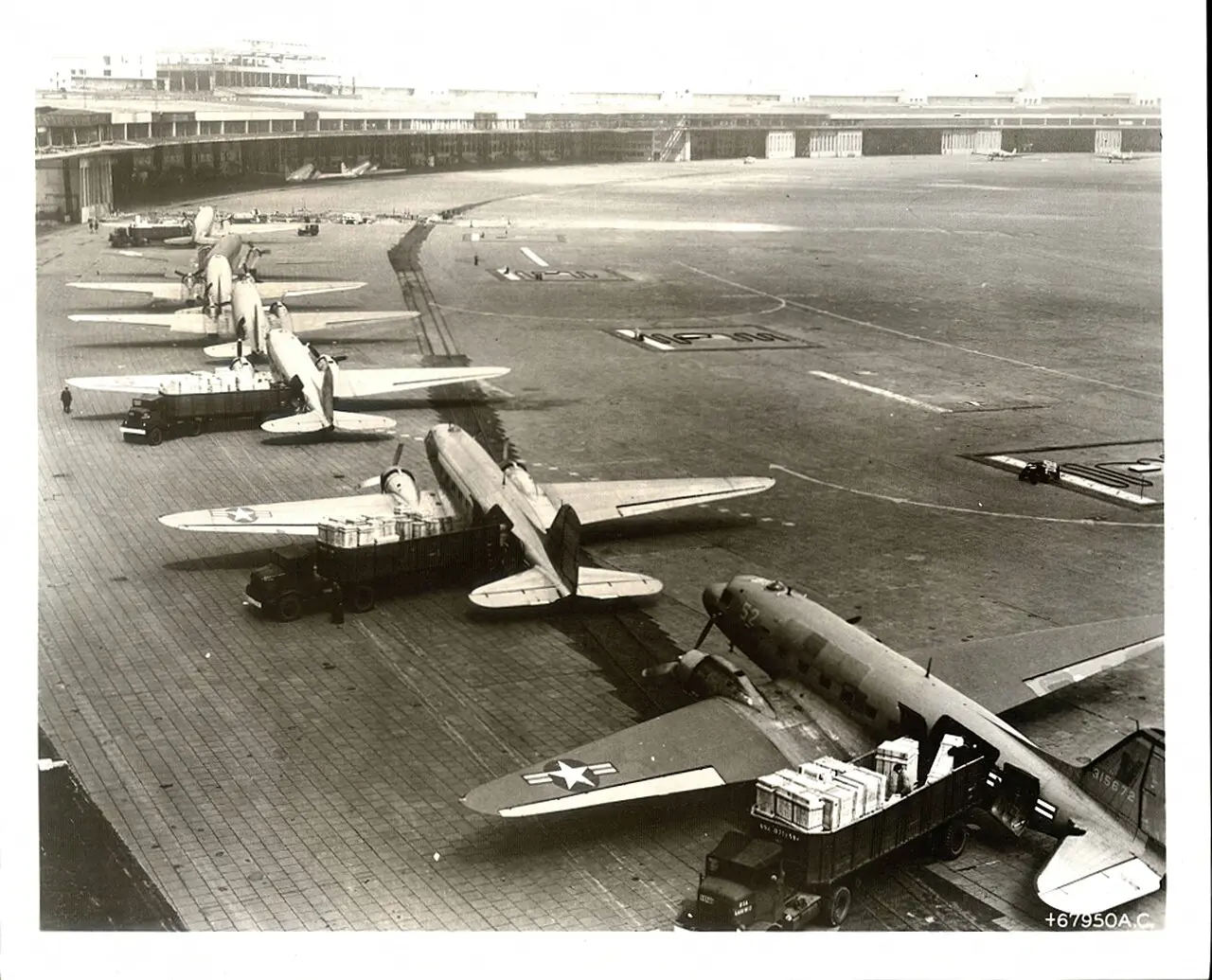
In the early hours of May 12, 1949, the barriers came down. After 11 months of siege, the Soviet Union lifted its blockade of West Berlin — defeated not by an army, but by an armada of cargo planes.
The blockade had begun on June 24, 1948, when Moscow cut every road, rail, and canal route into the western sectors of Berlin, a city sitting deep inside Soviet-occupied Germany. The trigger was currency: the Western Allies had introduced the Deutsche Mark, and Stalin wanted the West squeezed out of Berlin entirely. More than two million West Berliners faced the prospect of starvation — or submission.
The Allies chose a third option: the sky. What became the Berlin Airlift — Operation Vittles to the Americans, the "Air Bridge" to Berliners — began ferrying food, fuel, and medicine into the city. On the record day of the operation, April 16, 1949, nearly 1,400 flights delivered close to 13,000 tons of supplies in 24 hours — a plane landing about once a minute, around the clock, in all weather. In all, Allied aircraft made more than 278,000 flights and delivered over 2.3 million tons of supplies — nearly two-thirds of it coal to keep the city heated through winter.
The airlift had its heroes. American pilot Gail Halvorsen, the "Candy Bomber," began dropping handkerchief parachutes of chocolate and gum to Berlin's children — Operation Little Vittles — and a city that had every reason to hate its former enemies fell a little in love with them instead. It had its costs, too: 71 Allied airmen and 15 German civilians died in accidents during the operation.
By the spring of 1949, the blockade had failed on every count. It had not broken West Berlin's spirit — 300,000 Berliners had rallied at the Reichstag against Soviet domination. It had not stopped the creation of West Germany. And the Allied counter-blockade was strangling East Germany's industry. So on May 12, Moscow quietly reopened the roads and rails. The Allies, taking no chances, kept the airlift flying until September 30 to stockpile supplies against a second siege that never came.
The blockade's defeat redrew the map of the Cold War. NATO had been founded the month before; the Federal Republic of West Germany was proclaimed eleven days later. Berlin became the symbol of the West's refusal to yield — a city kept alive by airplanes, and by the stubbornness of the people inside it.
Photo: U.S. Army Corps of Engineers, public domain (via Wikimedia Commons).