The Night the World Held Its Breath: JFK's Cuban Missile Crisis Address
On October 22, 1962, JFK told the world about Soviet missiles in Cuba — and brought humanity closer to nuclear war than ever before.
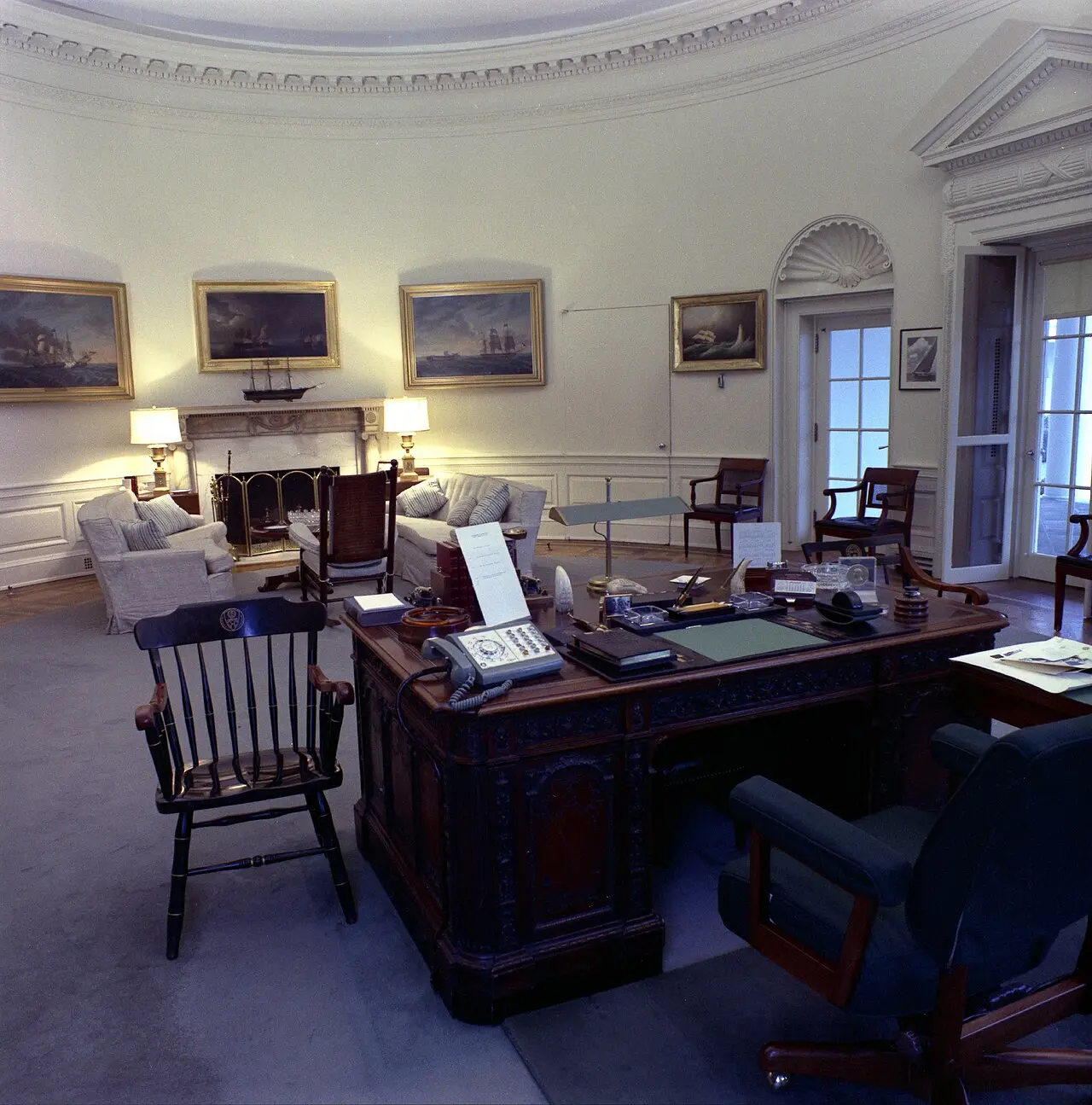
On the evening of Monday, October 22, 1962, television networks across America broke into their regular programming. Viewers expecting sitcoms and variety shows instead saw a grim-faced President John F. Kennedy, seated at his desk in the Oval Office. What he told them over the next eighteen minutes would bring the world closer to nuclear war than it has ever come — before or since.
For a week, Kennedy had carried a terrible secret. On the morning of October 16, his advisers had shown him photographs taken by an American U-2 spy plane: the Soviet Union was building launch sites for nuclear missiles in Cuba, just 90 miles from Florida. Kennedy quietly gathered his closest advisers — a group that became known as ExComm — and they argued in secret over what to do. Bomb the sites? Invade the island? The Joint Chiefs favored air strikes. Others feared any attack would start a war.
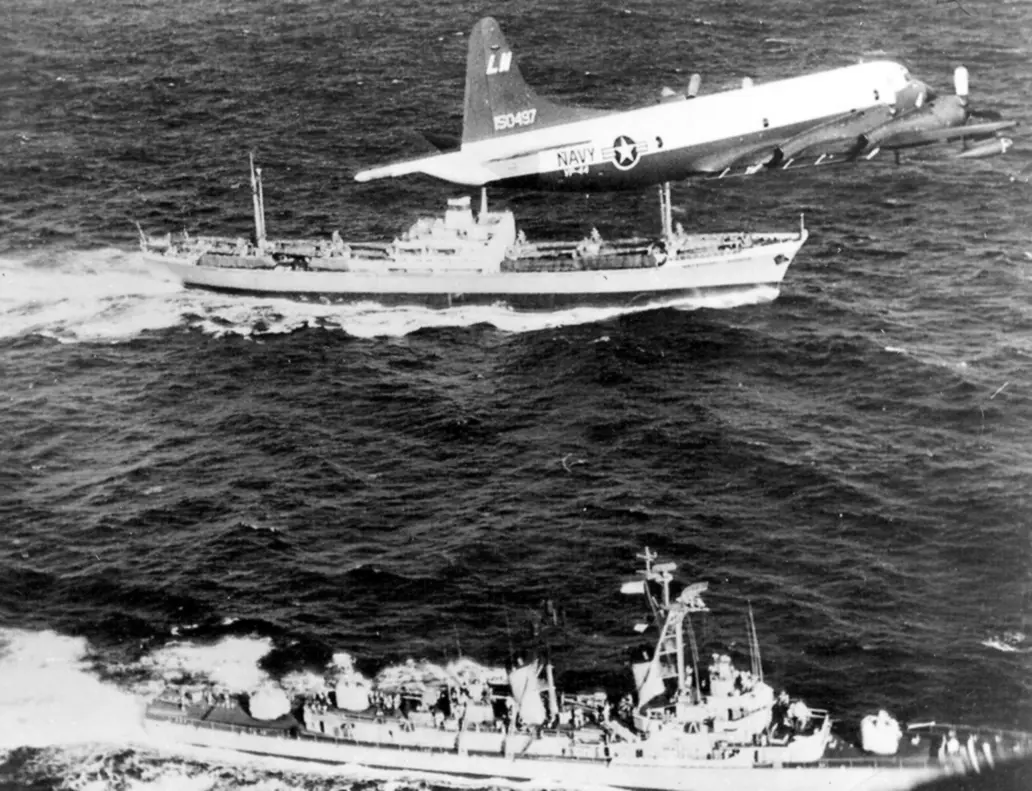
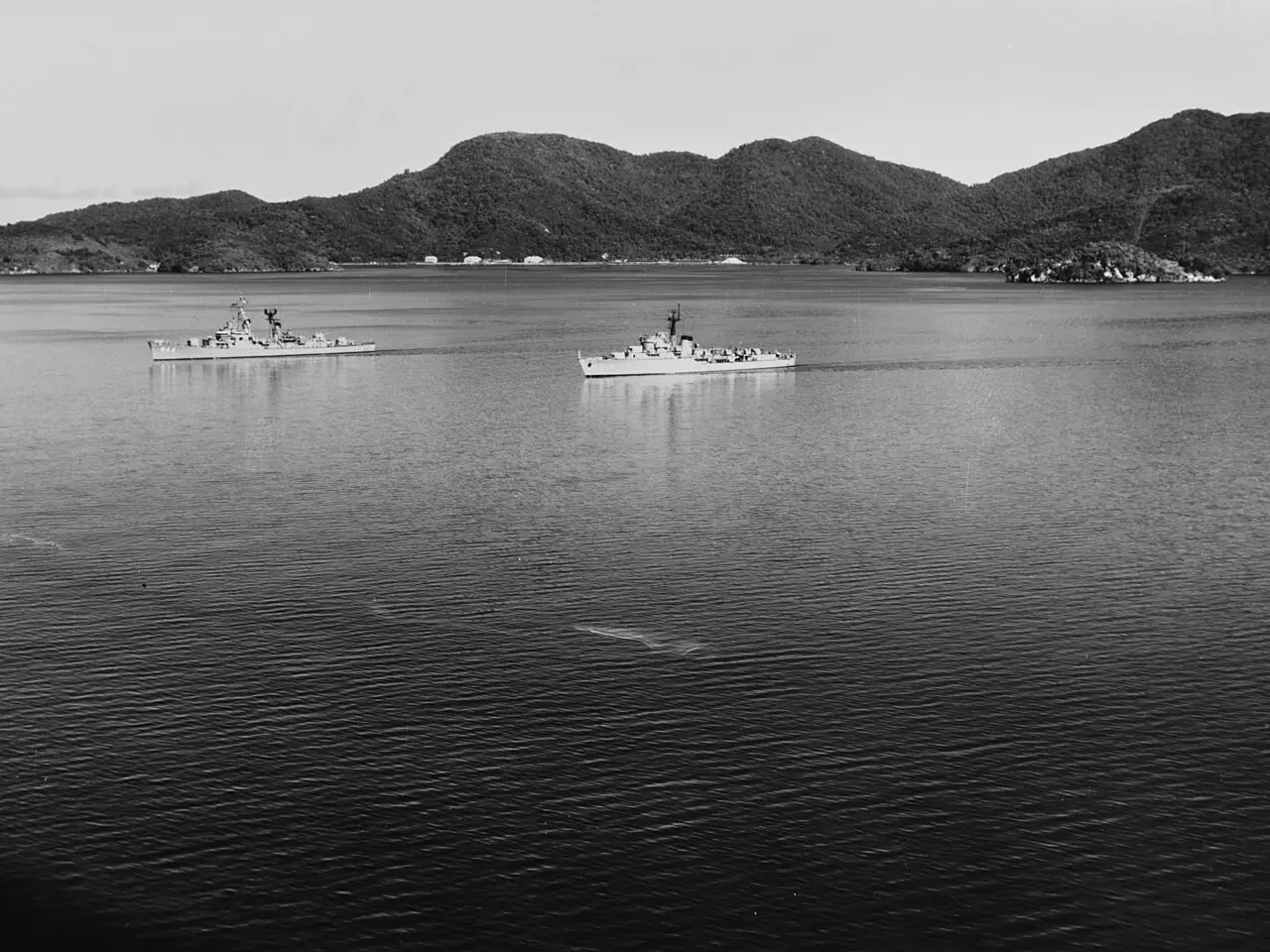
Kennedy chose a middle course: a naval "quarantine" of Cuba. He deliberately avoided the word "blockade," because a blockade is legally an act of war. American warships would stop Soviet vessels and turn back any carrying offensive weapons, while Kennedy demanded the missile sites already under construction be dismantled.
To keep Moscow from learning what he knew, Kennedy kept up his normal public schedule all week — even meeting the Soviet foreign minister, who insisted the USSR's aid to Cuba was purely defensive. On the afternoon of October 22, Kennedy briefed congressional leaders, many of whom demanded a stronger response. Then, at 7:00 p.m. Eastern, he went on the air.
"This Government, as promised, has maintained the closest surveillance of the Soviet military buildup on the island of Cuba," he began. "Within the past week, unmistakable evidence has established the fact that a series of offensive missile sites is now in preparation on that imprisoned island." He described medium-range missiles that could strike Washington, the Panama Canal, Cape Canaveral, and Mexico City — and warned Moscow plainly that any nuclear missile launched from Cuba against any nation in the Western Hemisphere would be treated as an attack by the Soviet Union on the United States itself, "requiring a full retaliatory response upon the Soviet Union."
Then he laid out his response in seven steps: the quarantine; stepped-up surveillance; reinforcements for the U.S. base at Guantanamo Bay; an emergency meeting of the UN Security Council; a meeting of the Organization of American States; and a direct demand that Soviet leader Nikita Khrushchev halt the buildup and dismantle the sites. He closed with words that outlived the crisis: "Our goal is not the victory of might, but the vindication of right — not peace at the expense of freedom, but both peace and freedom, here in this Hemisphere, and, we hope, around the world."
For thirteen days the world held its breath. American and Soviet ships faced each other at the quarantine line; a U-2 was shot down over Cuba; urgent back-channel messages flew between Washington and Moscow. On October 28, Khrushchev announced the missiles would be dismantled and removed. In exchange, Kennedy publicly pledged the United States would never invade Cuba — and secretly agreed to remove American nuclear missiles from Turkey, a concession kept quiet for decades.
The crisis never turned hot, but it changed everything. It showed how fast a misunderstanding between nuclear powers could spiral — and how much depended on two leaders choosing restraint at the darkest hour. In its aftermath, Washington and Moscow installed the famous "hotline" so their leaders could always reach each other directly. Historians still call those thirteen days in October 1962 the closest humanity has ever come to nuclear war, and Kennedy's address remains the textbook example of a leader telling the public the frightening truth — and buying time for diplomacy to work.
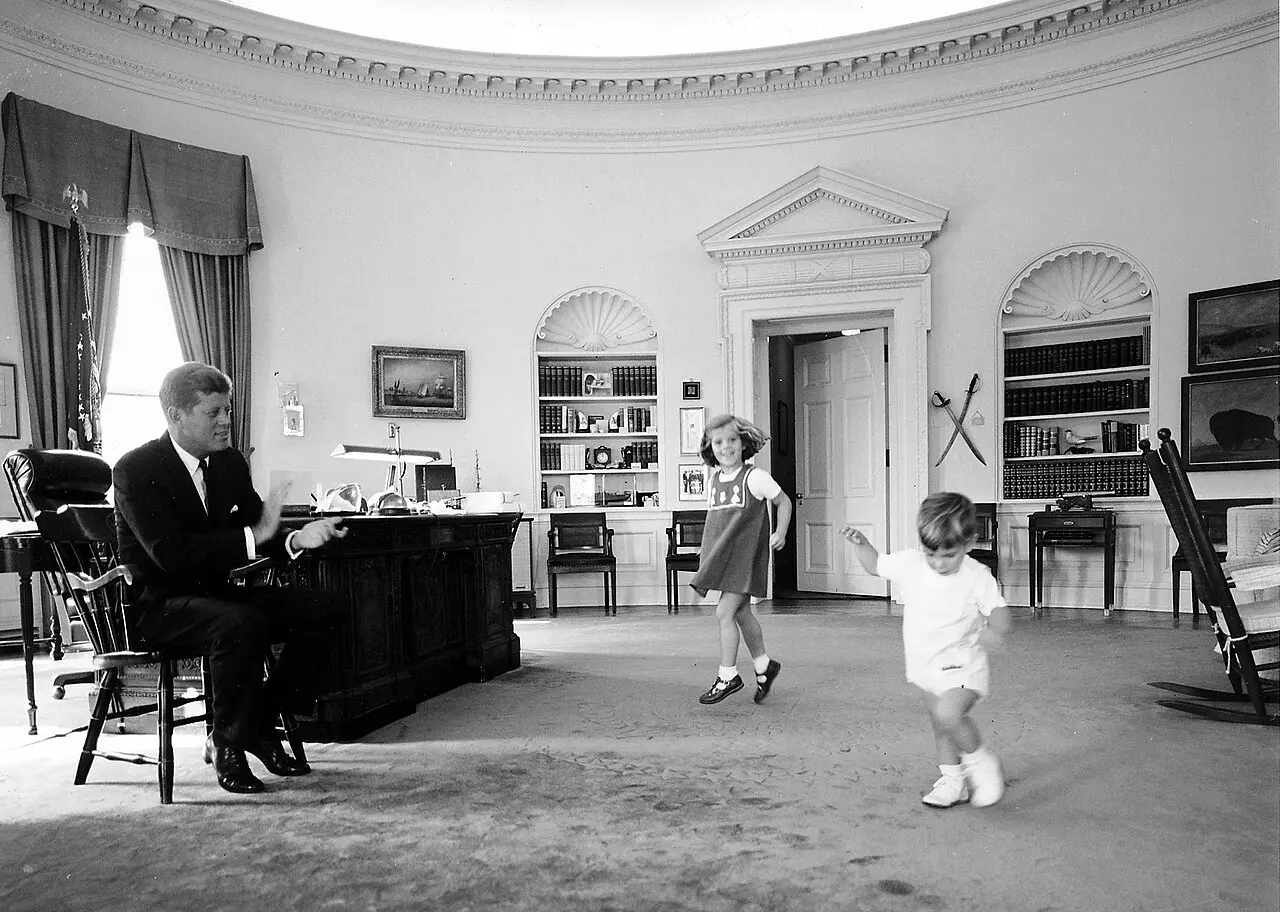
Photos (via Wikimedia Commons, public domain): a Navy P-3A patrol plane over the USS Barry and the Soviet-chartered ship Metallurg Anosov during the quarantine (U.S. Navy); the USS Mullinnix with a Venezuelan destroyer (U.S. Navy); President Kennedy's desk in the Oval Office and Kennedy with his children there in October 1962 (White House photographs, Cecil W. Stoughton). No photograph of the October 22 address itself could be confirmed as freely usable.