The Spy Who Fell from the Sky: The U-2 Is Shot Down, 1960
On May 1, 1960, CIA pilot Francis Gary Powers was shot down over the Soviet Union, and the lie America told about it wrecked a peace summit.
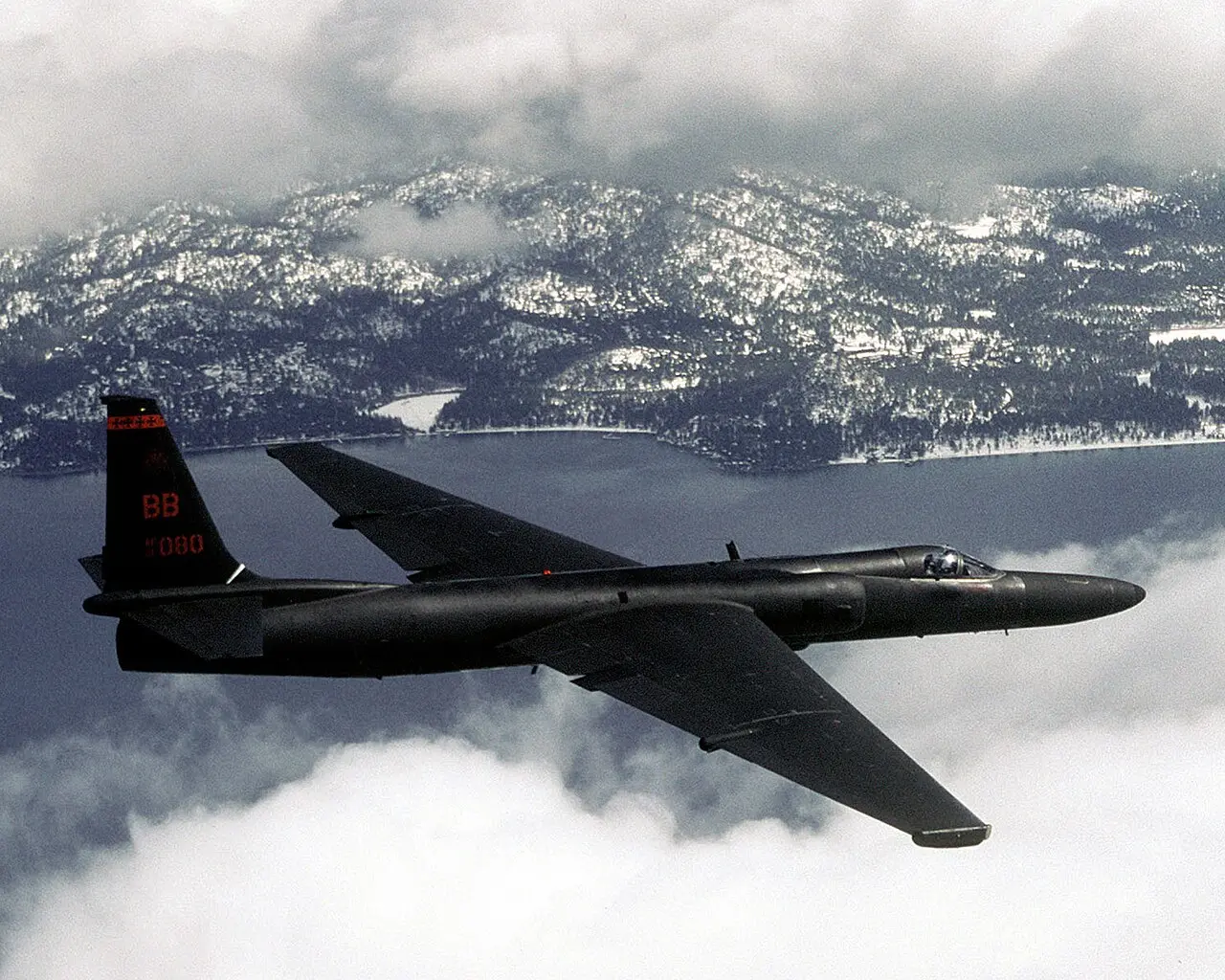
At dawn on May 1, 1960 — May Day, the Soviet Union's biggest public holiday — an American pilot named Francis Gary Powers was cruising at 70,000 feet over Russia in a plane most of the world did not know existed. His Lockheed U-2 was a glider-like spy plane built to photograph Soviet military bases from so high up that, the CIA believed, no missile could reach it. A veteran of many covert missions, Powers had taken off from Peshawar in Pakistan, bound for a base in Norway, on a route crossing some 2,900 miles of Soviet airspace.
For four years the U-2s had flown with impunity — or so Washington thought. In truth, Soviet radar had been tracking them all along, and Soviet missile crews had been waiting for the day they could prove it. Near Sverdlovsk in the Ural Mountains, batteries fired fourteen S-75 Dvina surface-to-air missiles at Powers' plane. One found its mark. In the chaos, a missile also struck a Soviet MiG-19 sent to intercept him; its pilot, Sergei Safronov, was killed.
Powers' U-2 broke apart around him. Thrown clear of the wreckage, he parachuted to the ground — and was captured almost immediately.
Then came the lie that made everything worse. Washington claimed a NASA weather-research plane had gone missing. But on May 5, Soviet leader Nikita Khrushchev announced that an American spy plane had been shot down — and two days later he revealed that the pilot was alive, displaying the captured pilot and the wreckage, complete with its spy cameras, in Moscow. President Dwight D. Eisenhower was forced to admit the truth: the United States had been spying from the sky.
The timing could not have been worse. Just months earlier, Eisenhower and Khrushchev had met at Camp David, and the world dared to hope the Cold War might thaw. The incident shattered that "Spirit of Camp David," and the east-west summit scheduled for Paris two weeks later collapsed before it began.
Powers was tried for espionage, sentenced to ten years, and spent about 21 months in a Soviet prison before being traded in 1962 for the captured Soviet spy Rudolf Abel. He was later posthumously awarded the Silver Star for his service.
Why it matters: the U-2 incident taught both superpowers that secrets have a price. A single flight — and a clumsy cover story — set back the cause of peace by years, a reminder that in the Cold War, the sky was never as empty as it looked.
Photo: Master Sgt. Rose Reynolds, U.S. Air Force (public domain, via Wikimedia Commons). (A U.S. Air Force U-2 in flight; a later model, not Powers' 1960 aircraft.)