The Film Festival That Took Seven Years to Open
Canned by the outbreak of World War II in 1939, the first Cannes Film Festival finally opened on September 20, 1946 — with chaos, charm, and 18 nations.
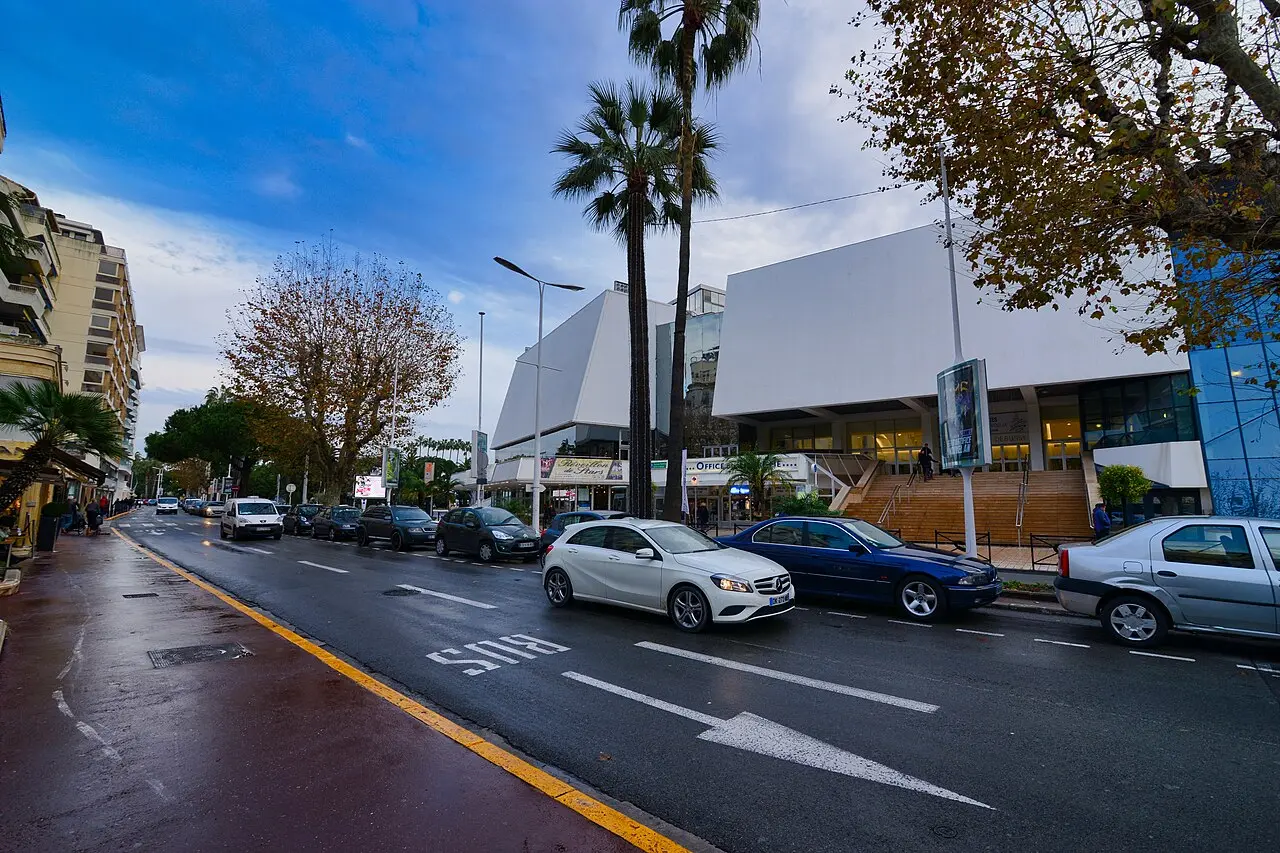
It was supposed to open in 1939. It took seven years, a world war, and a few technical disasters before the curtain finally rose on September 20, 1946.
The idea for a great international film festival on the French Riviera had been conceived before the war, as France's answer to the Venice festival, whose prizes had fallen under the sway of fascist Italy and Nazi Germany. Films were selected, invitations went out, and stars began arriving in Cannes in the summer of 1939. On the morning of September 1 — the day the festival was to begin — Germany invaded Poland. The festival was canceled after the screening of a single film: William Dieterle's The Hunchback of Notre Dame. Two days later, France and Britain were at war.
Six long years later, with the war over, France's provincial government approved a revival — partly as a celebration of cinema, partly to lure tourists back to the Riviera. On September 20, 1946, the first Cannes International Film Festival opened at the old Casino of Cannes, running through October 5. Filmmakers from roughly 18 nations brought their work, many of them films about the war that had just ended: Billy Wilder's The Lost Weekend, Roberto Rossellini's Rome, Open City, René Clément's Battle of the Rails, David Lean's Brief Encounter.
The organizers cared more about cultural exchange than competition. A jury with one representative per country, led by French historian Georges Huisman, handed the top honor — the Grand Prix — to a whole slate of winners rather than a single champion.
It was gloriously chaotic. A storm tore away the tarpaulin covering the open-air screen on the eve of the awards. The reels of Alfred Hitchcock's Notorious were projected in reverse order. A Mexican version of The Three Musketeers played upside down. Nothing went quite right, and somehow that made it perfect: the world was rebuilding, and here were its filmmakers, laughing together at the disasters.
Cannes stumbled through its early years — the 1948 and 1950 editions were canceled for lack of money — but it kept going. In 1955, the festival introduced its now-iconic top prize, the Palme d'Or, named for the palm-lined Promenade de la Croisette. Within a decade, Cannes was regarded as the most prestigious film festival on Earth, a title it still holds.
All of it — the red carpet, the premieres, the Palme d'Or — traces back to that scrappy September in 1946, when a festival that had waited seven years to exist finally got to begin.
Photo: Jorge Láscar, CC BY 2.0, via Wikimedia Commons.