The Poet Who Climbed a Mountain for the View
On April 26, 1336, the poet Petrarch climbed Mont Ventoux in Provence simply to see the view — an act some call the birth of the Renaissance spirit.
Nearly seven centuries ago, a poet did something nobody in his age was supposed to do: he climbed a mountain just to look at the view.
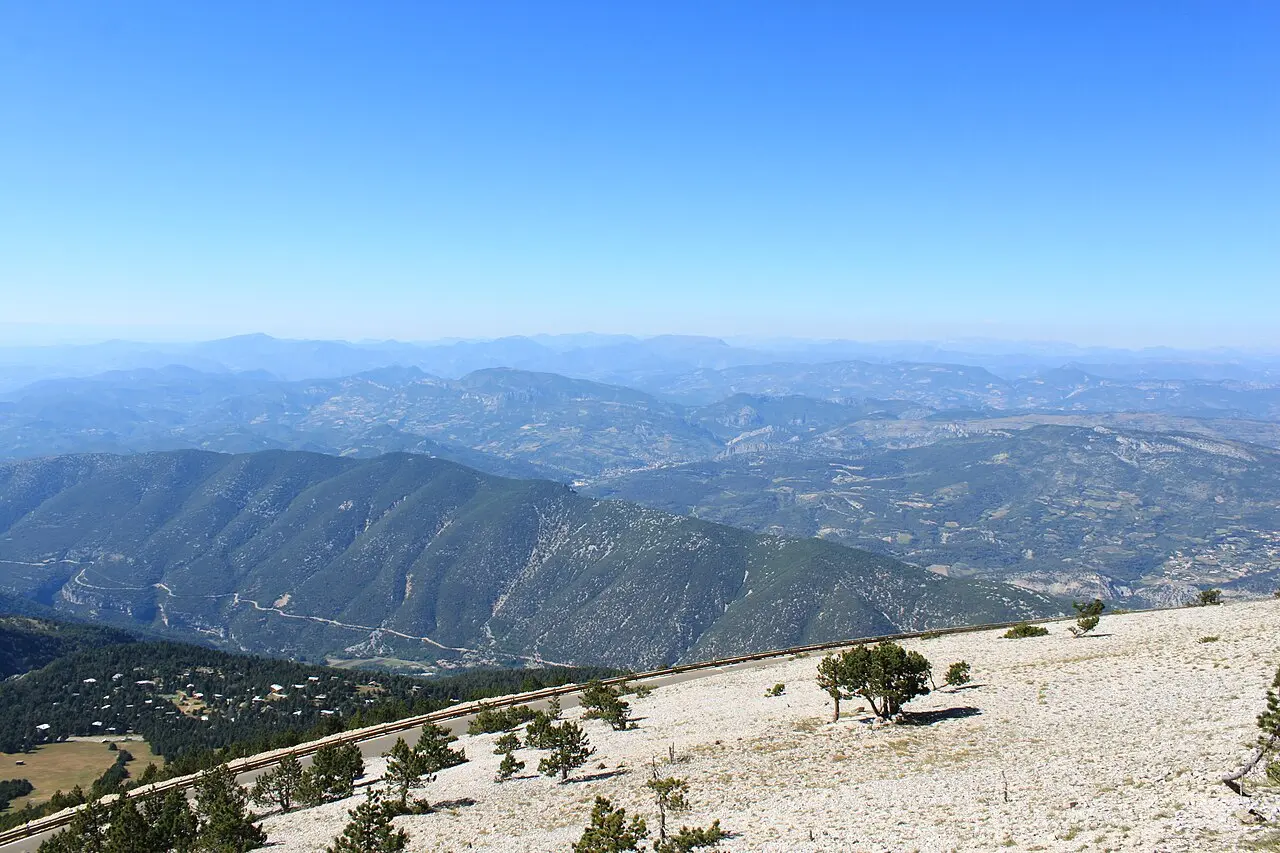
Francesco Petrarch — scholar, poet, and one of the founding figures of Renaissance humanism — later wrote that on April 26, 1336, he set out with his brother Gherardo and two servants to climb Mont Ventoux, the 1,912-meter (6,273-foot) giant that towers over Provence in southern France. People climbed mountains in the 1300s for necessity — to cross them, to mine them, to pray on them. Climbing one for pleasure was almost unheard of. An old peasant who knew the mountain warned Petrarch that nobody had made the ascent before or since, in fifty years, and tried to talk him out of it.
Petrarch went anyway. In a famous letter to his former confessor, Dionigi di Borgo San Sepolcro — written years later, around 1350, and published as one of his Familiar Letters — he described the long, wandering ascent, his brother striding straight for the summit while Petrarch took the easier paths and stopped to think. At the top, the view stretched, by his account, as far as Italy, the marshes of Aigues-Mortes, and the Rhône river. And then came the strange part: reaching into his pocket, he pulled out the small copy of Saint Augustine's Confessions he always carried, opened it at random, and his eyes fell on a passage rebuking those who go abroad to admire the heights of mountains while forgetting themselves. Petrarch wrote that he fell silent, and descended the mountain without saying a word.
"My only motive," he had written at the start of the letter, "was the wish to see what so great an elevation had to offer."
Whether the letter is a literal diary or, as some scholars argue, an allegory of the soul's climb toward heaven — Jacob Burckhardt noted that the philosopher Jean Buridan had climbed Ventoux a few years earlier — hardly matters to its influence. Readers in the 1800s rediscovered it and saw in it a strikingly modern mind: a man moved by scenery, curious about nature, and honest about his own inner life, all in an age supposed to be too dark for such things. Petrarch has been called the spiritual father of alpinism, and sometimes, only half in jest, the world's first tourist.
Mont Ventoux is now legendary for a different reason — the brutal stage it sometimes provides in the Tour de France. But on a spring day in 1336, it gave one poet a view that changed how the West thought about nature.
Photo: Christophe.Finot, CC BY-SA 3.0 (via Wikimedia Commons).