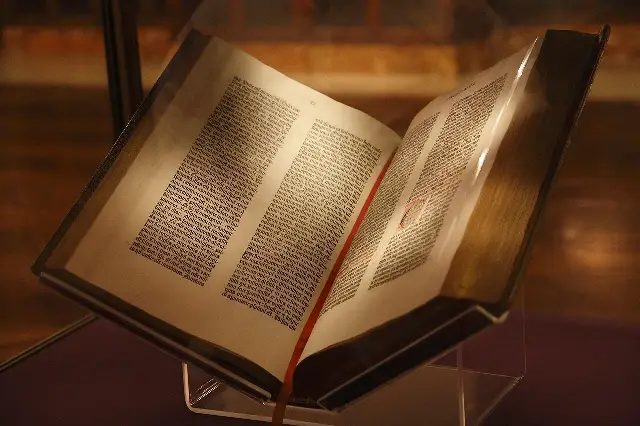
Gutenberg and the Machine That Freed the Word
Johannes Gutenberg, who introduced movable-type printing to Europe, died in Mainz on February 3, 1468, after an invention that put books within reach of ordinary people for the first time.


Johannes Gutenberg, who introduced movable-type printing to Europe, died in Mainz on February 3, 1468, after an invention that put books within reach of ordinary people for the first time.
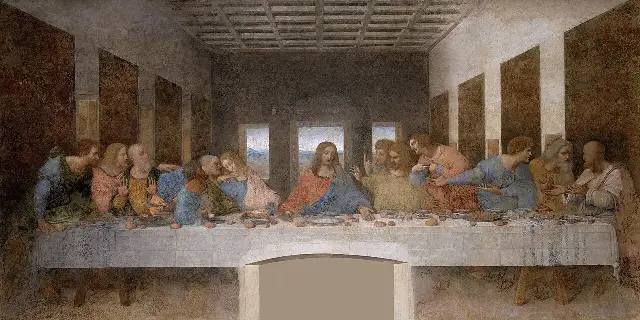
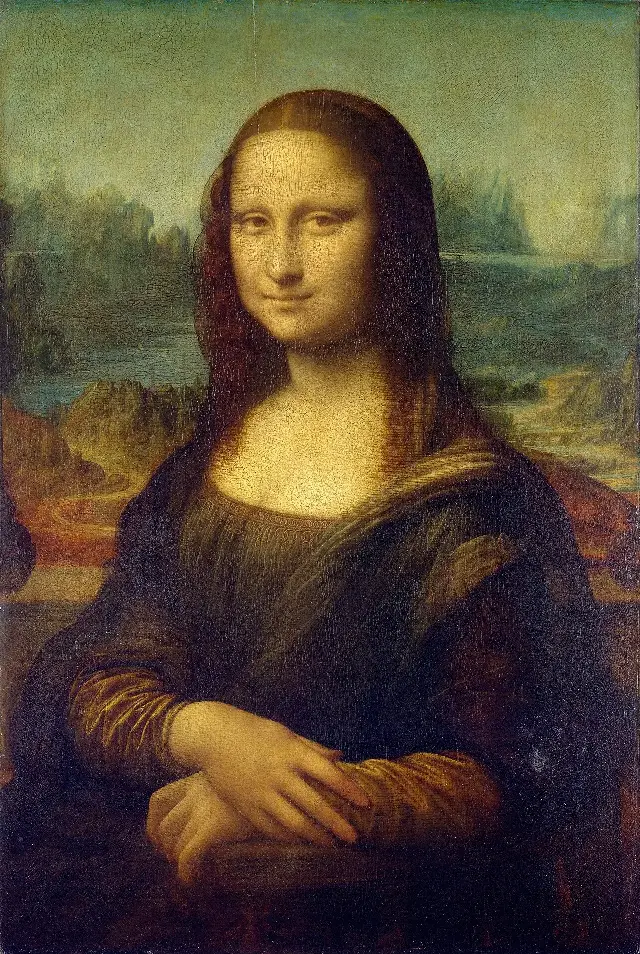
On April 15, 1452, Leonardo da Vinci was born in the Tuscan hill town of Vinci — the illegitimate son of a notary who became the most versatile genius of the Renaissance.
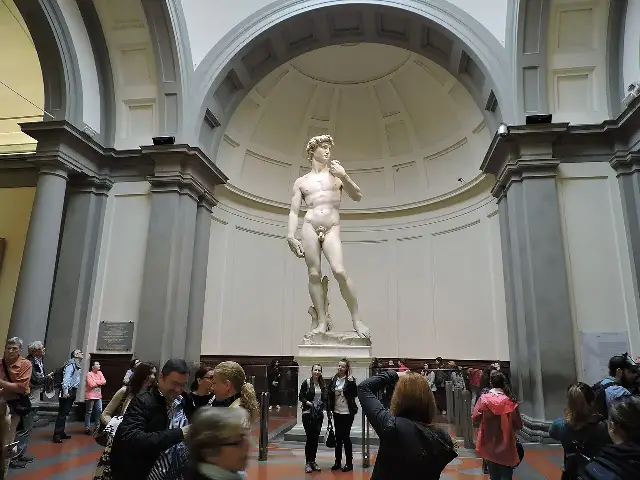
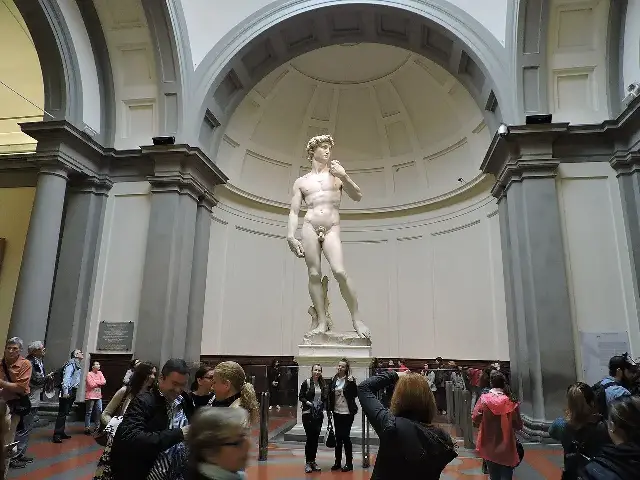
On September 8, 1504, Michelangelo's 17-foot David was unveiled in Florence's Piazza della Signoria, becoming a symbol of the republic.
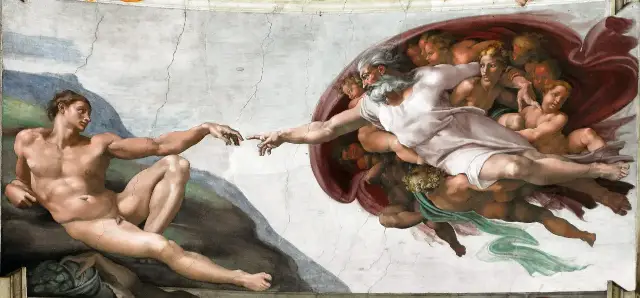
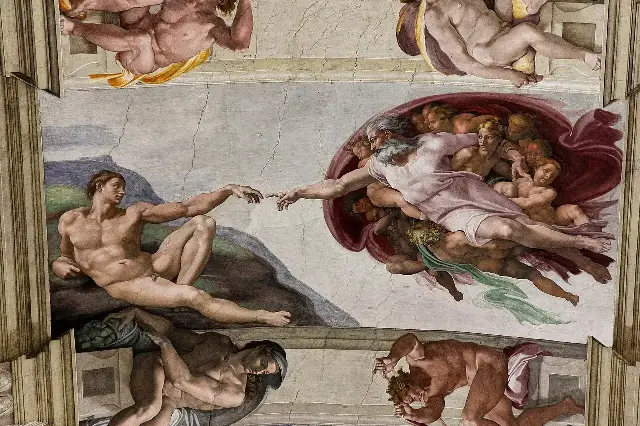
On November 1, 1512, the public saw Michelangelo's Sistine Chapel ceiling for the first time — four years of painting on a scaffold, 60 feet above the floor.
Michelangelo was born in a tiny Tuscan town on March 6, 1475 — and grew up to carve David, paint the Sistine Chapel, and define the Renaissance.
On April 26, 1336, the poet Petrarch climbed Mont Ventoux in Provence simply to see the view — an act some call the birth of the Renaissance spirit.
On May 2, 1519, Leonardo da Vinci — painter of the Mona Lisa and author of thousands of pages of inventions — died at Clos Lucé in France.
On September 13, 1501, a 26-year-old Michelangelo picked up his chisel and began carving his statue of David from a marble block two other sculptors had abandoned.