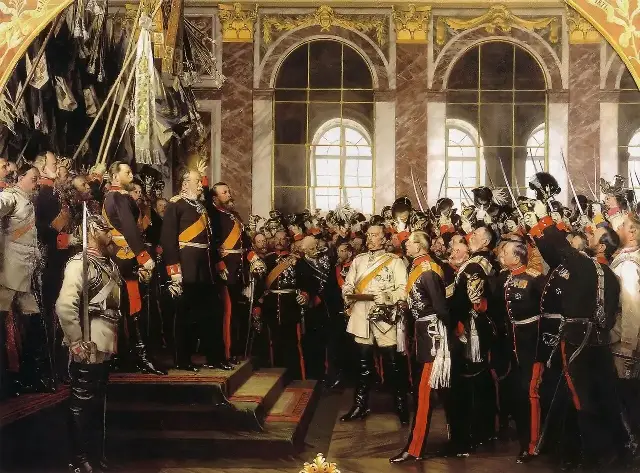
An Empire Proclaimed in the Enemy's Palace: Germany, 1871
On January 18, 1871, Prussia's Wilhelm I was proclaimed German Emperor in the Hall of Mirrors at Versailles, forging a new empire in the palace of a defeated France.

On January 18, 1871, Prussia's Wilhelm I was proclaimed German Emperor in the Hall of Mirrors at Versailles, forging a new empire in the palace of a defeated France.
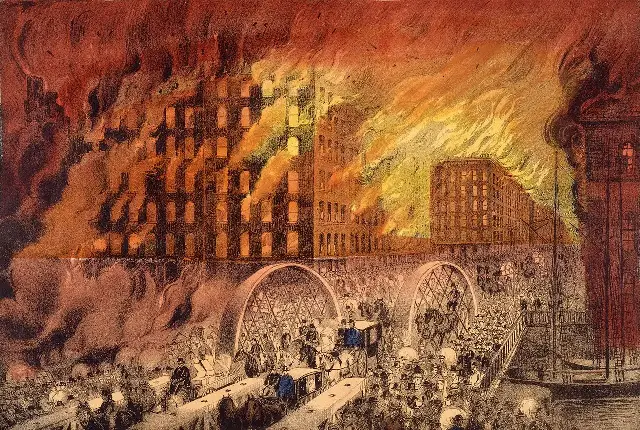
The Great Chicago Fire burned October 8 to October 10, 1871, killing an estimated 300 people and leaving 100,000 homeless — and the city rebuilt itself into a modern metropolis.
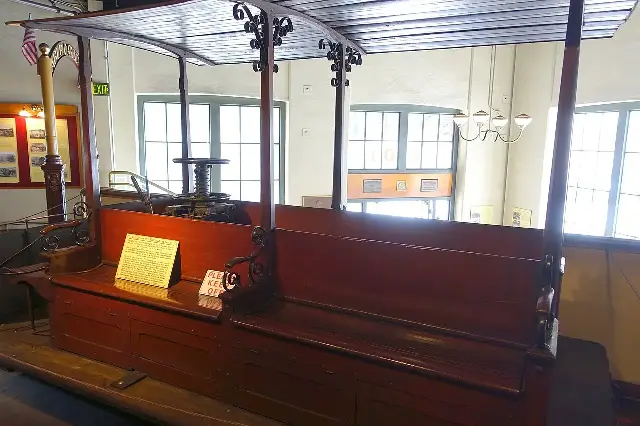
In the pre-dawn hours of August 2, 1873, Andrew Hallidie's cable car made its first successful test run up San Francisco's Clay Street — and changed city transit forever.
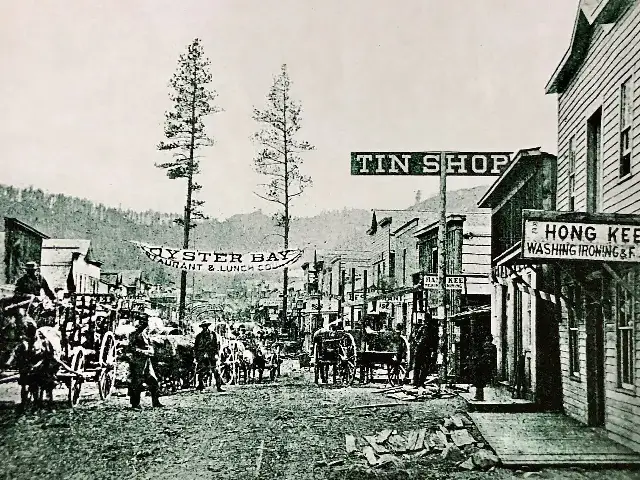
On August 2, 1876, Wild Bill Hickok was shot in the back of the head during a poker game in Deadwood — holding the black aces and eights now known as the dead man's hand.
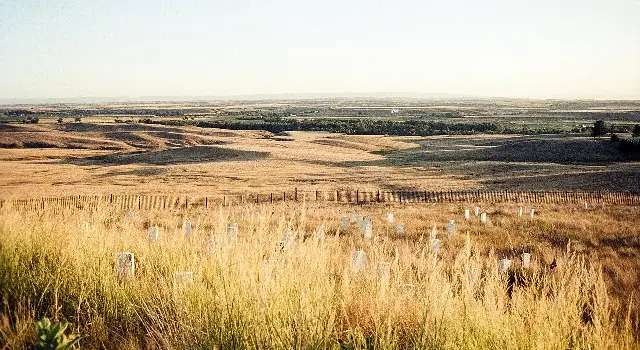
On June 25, 1876, Lakota, Northern Cheyenne, and Arapaho warriors annihilated Custer's 7th Cavalry on the Little Bighorn River — the greatest Native American victory of the Plains Indian Wars.
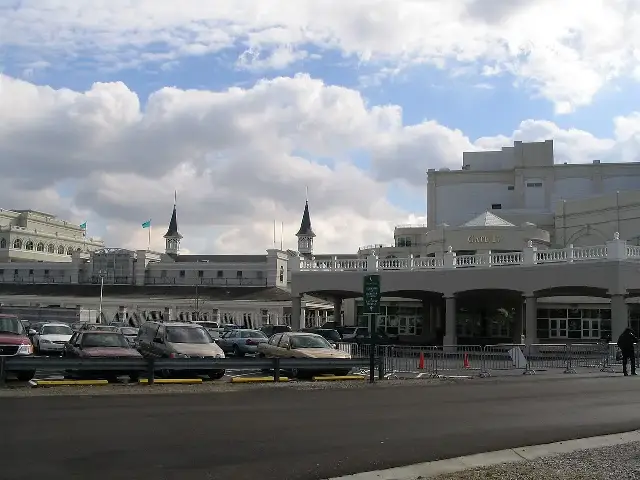
On May 17, 1875, fifteen horses contested the first Kentucky Derby at a new Louisville racetrack, and a colt named Aristides won it in front of 10,000 fans.
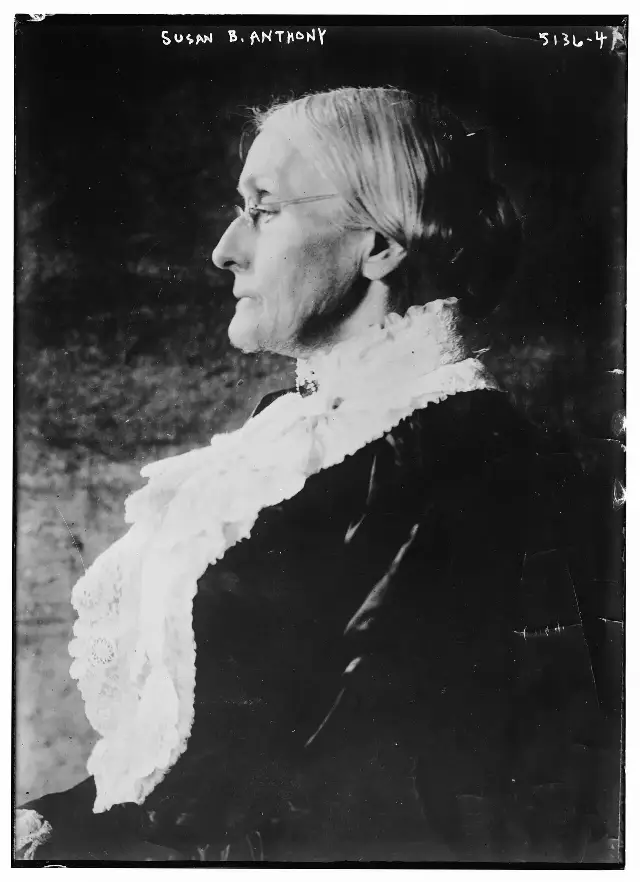
On November 5, 1872, Susan B. Anthony cast a ballot in Rochester's presidential election knowing women couldn't legally vote — and was arrested, convicted, and fined $100 she refused to pay.
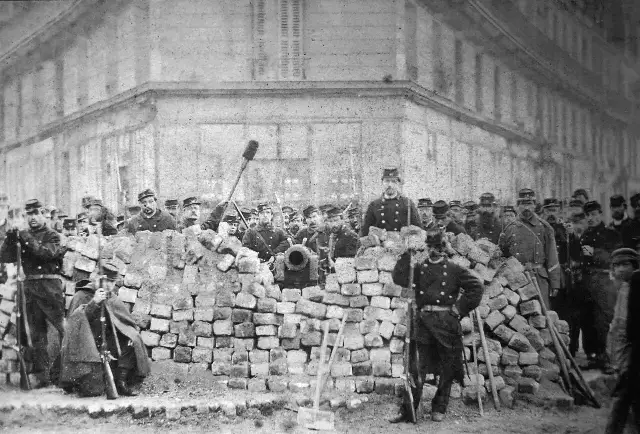
On March 18, 1871, Parisian workers and soldiers defied the French government, seized the city's cannons, and launched the Paris Commune — the world's first workers' government.
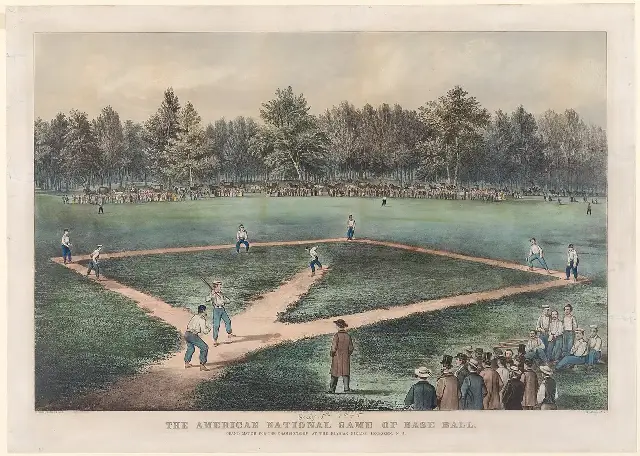
On May 4, 1871, the Fort Wayne Kekiongas beat Cleveland 2-0 in the first game of the first all-professional baseball league — before a few hundred shivering fans.