The Day the Somme Finally Ended
On November 18, 1916, General Haig called off the Battle of the Somme — 141 days that moved the front barely six miles.
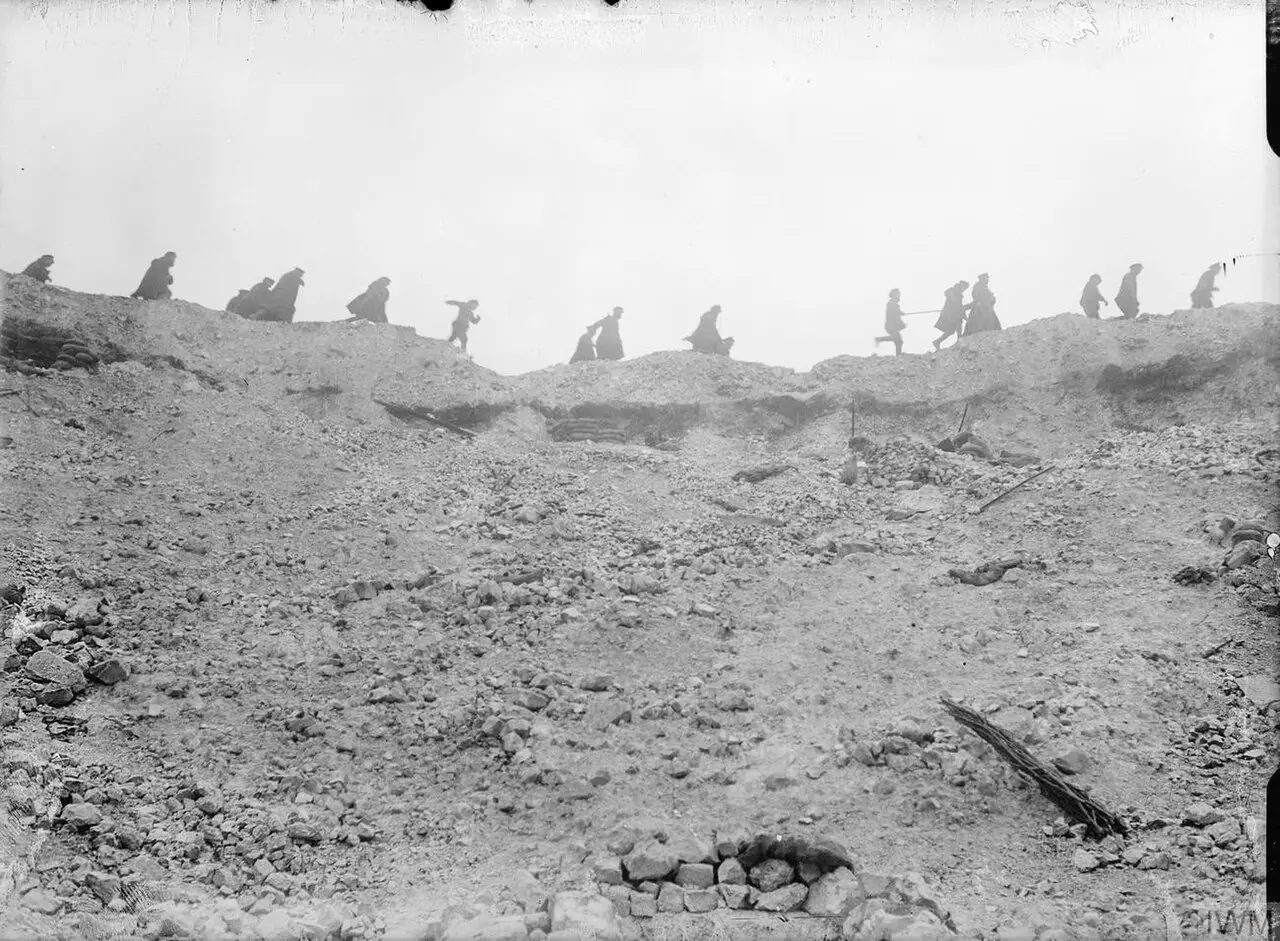
It began with the heaviest day of casualties in British military history and ended in frozen mud, four and a half months later, with almost nothing to show. On November 18, 1916, General Douglas Haig finally called off the Battle of the Somme.
The offensive had opened on July 1, 1916, with the British Army walking into German machine guns across a 15-mile front. Some 60,000 men were killed or wounded on the first day alone. The dream of a breakthrough died there; what followed was 141 days of grinding attrition — 90 separate attacks that advanced the Allied line a total of only about six miles, at a cost of roughly a million men killed, wounded, or missing on both sides.
The battle was not without firsts. On September 15, at Flers-Courcelette, the British sent 48 tanks into combat for the first time in history — slow, unreliable, but a glimpse of the future. And the Somme did relieve pressure on the French at Verdun, forcing Germany to divert troops and guns. Haig insisted in his official dispatch that the operation had achieved its objectives: "Verdun had been relieved; the main German forces had been held on the Western front; and the enemy's strength had been very considerably worn down."
The human cost fell hardest on volunteers. Much of the British force was made up of the Pals battalions — units raised from friends, neighbors, and workmates in the same town. Of the 720 Accrington Pals who attacked on July 1, 584 were killed or wounded. Whole streets back home lost a generation in a morning.
The battle's final act played out along the Ancre River from November 13 to 18 — an attack driven as much by politics as by tactics, with an Allied conference opening at Chantilly on the 15th and Haig hoping to report a success. One Pals battalion, the 16th Highland Light Infantry — Glasgow Boys' Brigade volunteers — was cut off in Frankfurt Trench and held out for three days; the 45 survivors, 30 of them wounded, surrendered on November 21. So ended the Battle of the Ancre, and with it the Battle of the Somme.
Then the guns fell silent — until, cruelly, the Germans retook almost all the ground in their 1918 spring offensive, wiping out the gains in a matter of weeks.
The Somme became the defining symbol of industrial war: brave men, careful plans, and a ledger of loss that no one could justify. It is remembered not for what it won, but for what it cost — and for the lesson, paid in blood, that courage alone could not beat barbed wire and artillery.
Photo: Ernest Brooks, Imperial War Museums, public domain (via Wikimedia Commons).