
D-Day: The Morning 160,000 Men Stormed Normandy
On June 6, 1944, nearly 160,000 Allied troops landed on the beaches of Normandy in the largest seaborne invasion in history, opening the liberation of Nazi-occupied Europe.
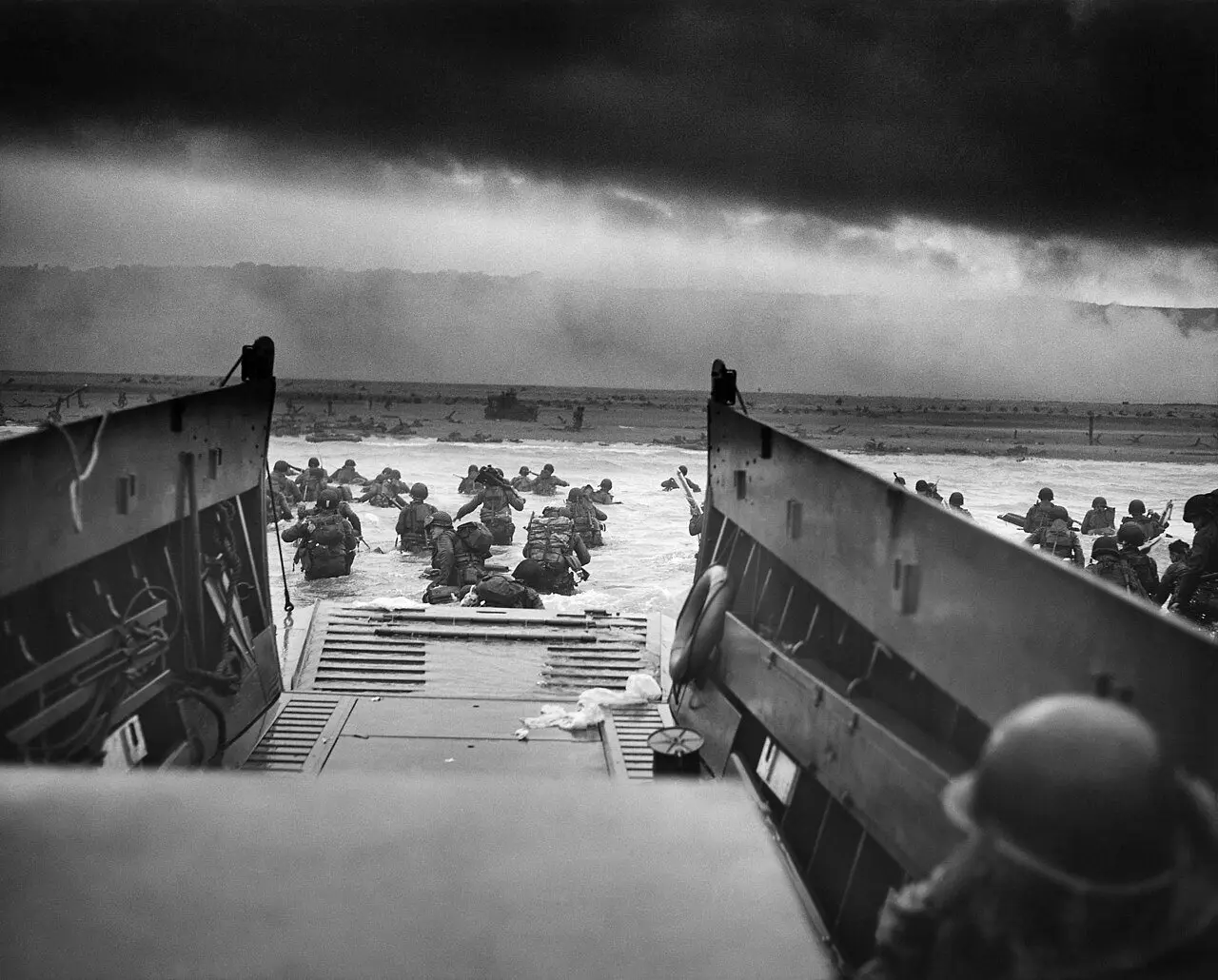
Just after midnight on June 6, 1944, the English Channel was black with ships. Stretching to the horizon, more than 5,000 vessels carried the largest invasion force ever assembled — and in the hours ahead, nearly 160,000 Allied soldiers would storm the beaches of Normandy, France.
Nazi Germany had occupied France for four years. The Allies — chiefly the United States, Britain, and Canada — had spent more than a year planning Operation Overlord, the cross-Channel invasion that would open a second front and begin the liberation of Western Europe. Everything depended on secrecy, weather, and timing: the moon, the tides, and the hour of day aligned on only a few days each month.
Supreme Commander Dwight D. Eisenhower gave the order. Bad weather had already forced a 24-hour delay, and another postponement would have meant waiting at least two weeks. On the evening of June 5, Eisenhower made the call to go — and quietly wrote a note accepting full personal blame if the invasion failed.
The assault began shortly after midnight with some 24,000 American, British, and Canadian paratroopers dropping behind German lines. At about 6:30 a.m., the amphibious landings began along a 50-mile stretch of Normandy coastline divided into five sectors with code names: Utah and Omaha for the Americans, Sword and Gold for the British, Juno for the Canadians. More than 13,000 aircraft supported the operation.
Omaha Beach proved the bloodiest. In the famous photograph "Into the Jaws of Death," troops of the U.S. 1st Infantry Division wade ashore from a Coast Guard landing craft into withering fire; at that sector of the beach, two-thirds of one landing company became casualties in the initial assault.
The cost of the day was staggering: roughly 10,000 Allied troops were killed, wounded, or went missing — about 6,600 of them Americans. But by nightfall, the Allies held their beachheads. The foothold in continental Europe was won.
D-Day began the liberation of France and the rest of Western Europe and laid the foundations for the Allied victory; Germany would surrender less than a year later. In his order of the day, Eisenhower had told the troops: "The eyes of the world are upon you. The hopes and prayers of liberty-loving people everywhere march with you." Eighty years on, June 6 remains a day of remembrance for the soldiers who waded ashore — and for the freedom their sacrifice made possible.
Photo credit: "Into the Jaws of Death" — U.S. Army troops of Company A, 16th Infantry, 1st Infantry Division, wading ashore at Omaha Beach, Normandy, on the morning of June 6, 1944. Photograph by Chief Photographer's Mate Robert F. Sargent, U.S. Coast Guard; public domain via Wikimedia Commons.