The 150 Bullets That Couldn't Kill de Gaulle
On August 22, 1962, gunmen ambushed Charles de Gaulle's car outside Paris, firing more than 150 rounds — and the French president walked away without a scratch.
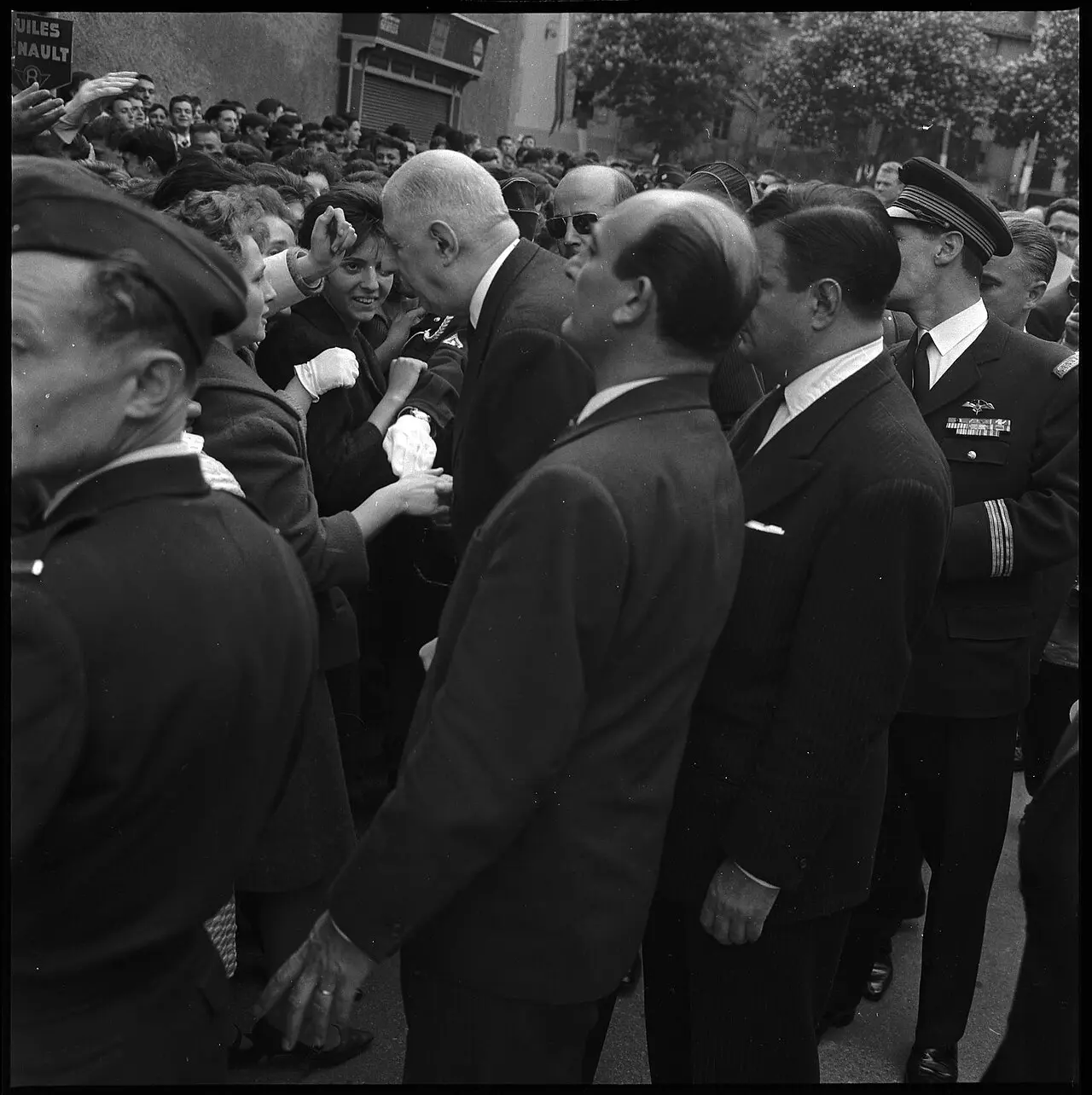
On the evening of August 22, 1962, a black Citroën DS sped through the Paris suburb of Petit-Clamart, carrying President Charles de Gaulle and his wife Yvonne toward the airport at Villacoublay. Thirteen men were waiting in the dusk with automatic weapons.
The ambush had been organized by Air Force Lieutenant-Colonel Jean Bastien-Thiry and the Organisation armée secrète — the OAS, a clandestine network of French soldiers and settlers enraged by de Gaulle's decision to grant Algeria independence. The Évian Accords had ended the Algerian War that March; Algeria declared independence in July. To the OAS, de Gaulle was a traitor. The plotters codenamed their operation “Charlotte Corday,” after the woman who assassinated Marat during the French Revolution.
The bitterness ran deep. Nearly a million French settlers — the pieds-noirs — had fled Algeria in a matter of months, and the army officers who had fought the war felt de Gaulle had betrayed them. The OAS had already waged a campaign of bombings and assassinations; killing the president was its ultimate gamble.
As the presidential convoy — two cars and two motorcycles — passed, the gunmen opened fire. More than 150 spent cartridges were later found at the scene. Eight bullets pierced the DS's bodywork; two tires were shredded; the rear window exploded. A television and radio shop along the route was sprayed with bullets too — it had closed ten minutes earlier. And then — the car kept going. De Gaulle's driver held his nerve, and the Citroën's hydropneumatic suspension kept the big sedan stable and steerable even on its rims, carrying the president clear of the kill zone. When the shooting stopped, de Gaulle and Yvonne were unhurt. The only person injured was an innocent driver caught in the crossfire.
The manhunt that followed was swift. Nearly all the conspirators were captured within months. Bastien-Thiry was tried by a military court, refused clemency by de Gaulle, and executed by firing squad on March 11, 1963 — the last person ever executed that way in France.
The attack made the Citroën DS a legend — “the car that saved de Gaulle's life” — and it made de Gaulle himself seem almost untouchable; it was one of some thirty attempts on his life. The era's OAS plots later inspired Frederick Forsyth's thriller The Day of the Jackal. But the real lesson of Petit-Clamart was simpler: on the night France's most wanted target drove through a storm of bullets, cool heads and clever engineering won the day.
Photo: André Cros, CC BY-SA 4.0 (via Wikimedia Commons).