The Day France Outlawed Its Own People
On October 18, 1685, Louis XIV revoked the Edict of Nantes, stripping France's Protestants of their rights and driving hundreds of thousands into exile.
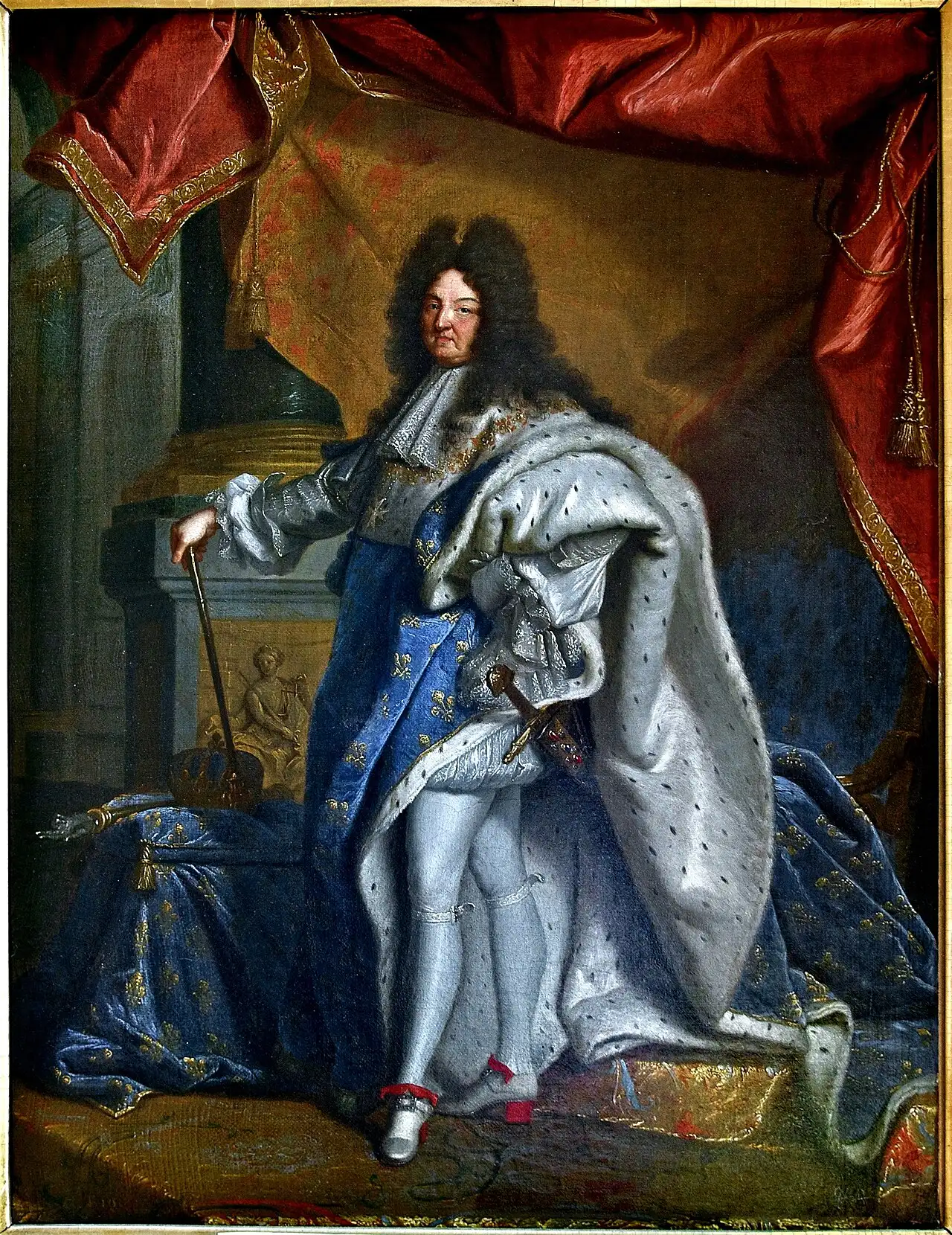
On October 18, 1685, at his palace of Fontainebleau, the most powerful king in Europe picked up a pen and signed away the rights of nearly a million of his own subjects. With a single edict, Louis XIV of France revoked the Edict of Nantes — the law that for eighty-seven years had allowed French Protestants to worship in peace — and made their faith a crime.
To understand the catastrophe of that signature, you have to understand what it destroyed. In 1598, Louis's grandfather Henry IV — himself a former Protestant who had converted to Catholicism to take the throne — issued the Edict of Nantes, ending nearly four decades of savage religious wars that had torn France apart. The edict granted the Huguenots, as French Calvinist Protestants were called, the right to worship in designated towns, hold public office, and live without persecution. It was less a charter of tolerance than a truce — but it held, more or less, for the better part of a century.
By 1685 the Huguenots numbered somewhere between 800,000 and a million in a kingdom of about twenty million. They were, disproportionately, the skilled backbone of the French economy: silk weavers, watchmakers, printers, merchants, bankers, military engineers. They were also, by and large, loyal subjects. Louis's war against them was not driven by rebellion — it was driven by his vision of absolute monarchy, summed up in the formula "one king, one law, one faith," and encouraged by his devout second wife and his confessors, who assured him that a truly Catholic France was both God's will and good politics.
The revocation did not come out of nowhere. For years Louis had been tightening the screws: Huguenot churches demolished, Protestant schools closed, professions barred. Then came the dragonnades — beginning in 1681, the king quartered rough soldiers, dragoons, in Protestant households, with license to bully and terrorize families until they converted. It was persecution by billeted brutality, and it worked on many.
The Edict of Fontainebleau made it law. Protestant worship was banned outright. Pastors were given two weeks to leave France or face the galleys. Protestant children were to be raised Catholic. And — the cruelest clause — Huguenots were forbidden to emigrate, on pain of imprisonment, so that France might keep their bodies even as it broke their faith.
They left anyway. Over the following decades, an estimated 200,000 or more Huguenots fled — some historians put the number far higher — slipping across borders by night, bribing guards, hiding in wine barrels and coal ships. They carried almost nothing but their skills. England, the Dutch Republic, Prussia, Switzerland, and even distant outposts like South Africa and colonial America took them in, and were transformed by them: the silk industries of London, the watchmaking of Geneva, the banking houses of Berlin all bear the fingerprints of France's exiles.
France's loss was measurable for generations. Whole trades withered; entire regions lost their most enterprising citizens. The great irony is that Louis, who revoked the edict to strengthen his kingdom, weakened it — enriching his rivals with the very people he drove out.
It would be a full century before France corrected the wrong. Not until 1787 did Louis XVI sign the Edict of Versailles, restoring civil rights to non-Catholics. By then the damage — to families, to the economy, to the idea that a state can command conscience — was beyond repair.
October 18, 1685, stands as one of history's starkest demonstrations of a timeless truth: intolerance is never just cruel to its victims. It impoverishes everyone, including the persecutor.
Photo: Hyacinthe Rigaud, CC0 (via Wikimedia Commons) — the Sun King, Louis XIV, in his coronation robes, painted at the height of his power.