The Winter Olympics Were Born in a French Village
On January 25, 1924, the first Winter Olympics opened in Chamonix, France — a modest “winter sports week” that grew into one of the world's greatest sporting traditions.
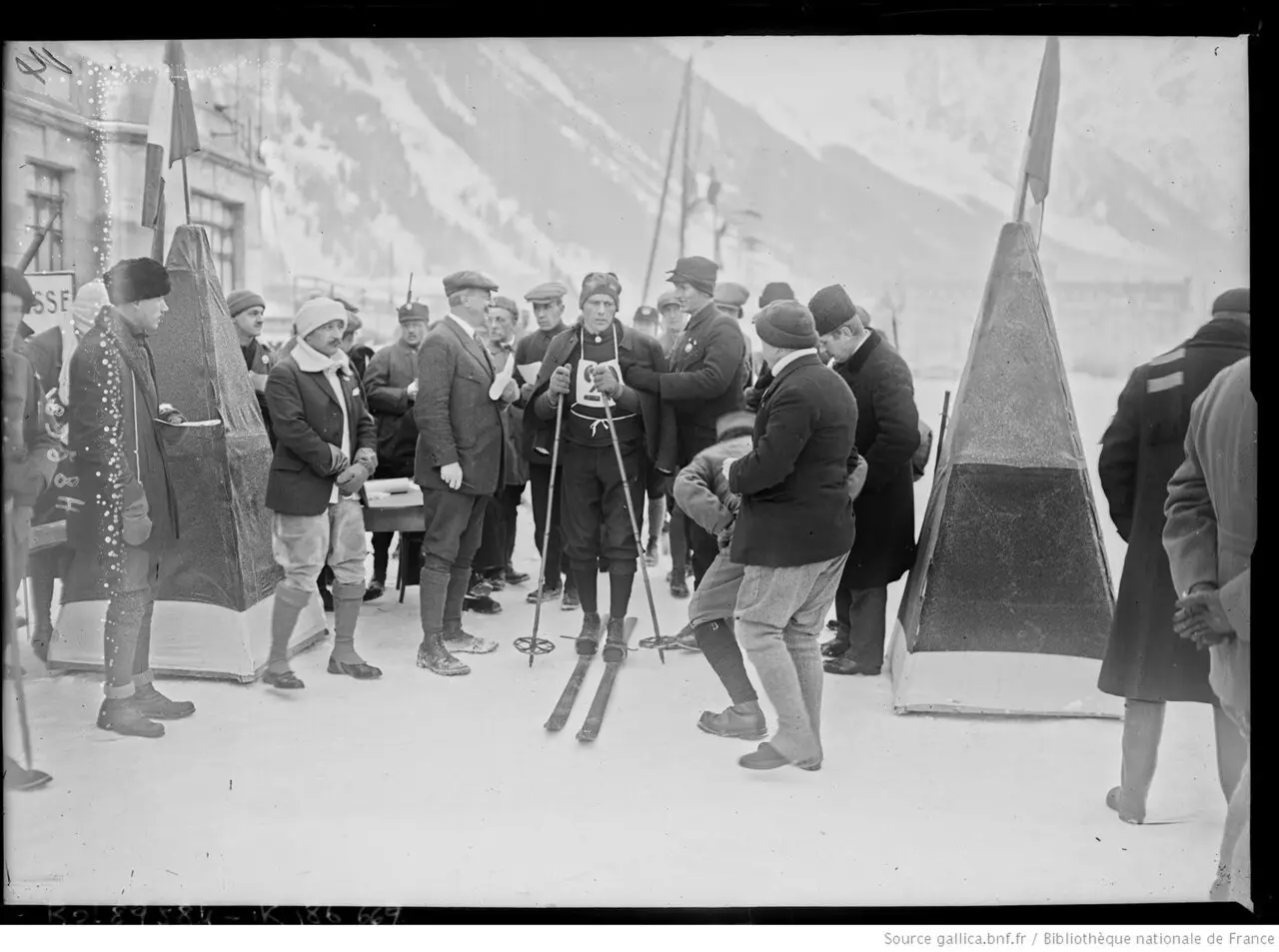
On January 25, 1924, in a small Alpine village beneath the towering peak of Mont Blanc, 258 athletes from 16 nations paraded through snow-covered streets behind their flags. The Chamonix mountain guides led the procession, followed by skiers carrying their skis, skaters, hockey players, and curlers. Then Gaston Vidal, France's Under Secretary of State for Physical Education, declared the games open — and the first Winter Olympics in history began.
Nobody called them the Olympics yet. Officially, the event was the "International Winter Sports Week" — the Semaine Internationale des Sports d'Hiver — staged in connection with that summer's Paris Games. Winter athletes had long begged for their own stage; figure skating and ice hockey had appeared at the Summer Olympics, but the rest of winter sport had nowhere to shine. In 1921, the International Olympic Committee finally agreed to try a winter week in Chamonix.
Just 2,069 spectators watched the opening ceremony — a far cry from today's packed stadiums. The American flag was carried by Clarence Abel, a hockey player from Sault Ste. Marie, Michigan, who carried a remarkable secret his entire career: he was Ojibwe, making him the first Native American to compete at a Winter Olympics.
The competition itself produced legends. The day after the opening, American Charles Jewtraw of Lake Placid won the 500-meter speed skate — the first Winter Olympic gold medal ever awarded. Norway's Thorleif Haug dominated the cross-country events, winning three gold medals and powering Norway to the top of the medal table with 17 medals in all. Finland's Clas Thunberg hauled in three speed-skating golds of his own, and Canada's hockey team announced a dynasty, outscoring its opponents 122 goals to 3.
The games even held a mystery that took half a century to solve. Haug was originally awarded the ski jump bronze, but in 1974 a scoring error came to light — the medal actually belonged to American Anders Haugen. Haug's daughter personally delivered it to him, fifty years late.
The Chamonix week was such a triumph that the IOC retroactively declared it the first Olympic Winter Games. The Winter Olympics have been held ever since — growing from 258 athletes in one French village into a global spectacle watched by billions.
What began as a modest experiment in the snow proved a simple idea: winter deserved its own games, and the world would come.
Photo: Agence Rol, 1924, public domain (via Wikimedia Commons). Norwegian skier Thorleif Haug, who won three gold medals at the Chamonix games.