Evacuation Day: Washington Reclaims New York, 1783
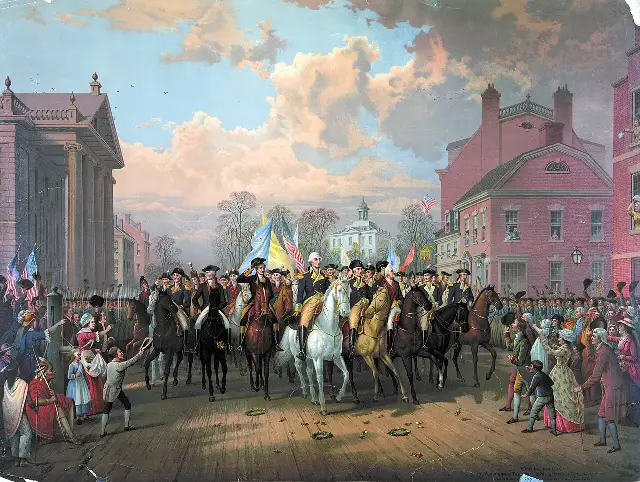
On November 25, 1783, the last British troops sailed out of New York and George Washington marched in — the final act of the American Revolution.


On November 25, 1783, the last British troops sailed out of New York and George Washington marched in — the final act of the American Revolution.
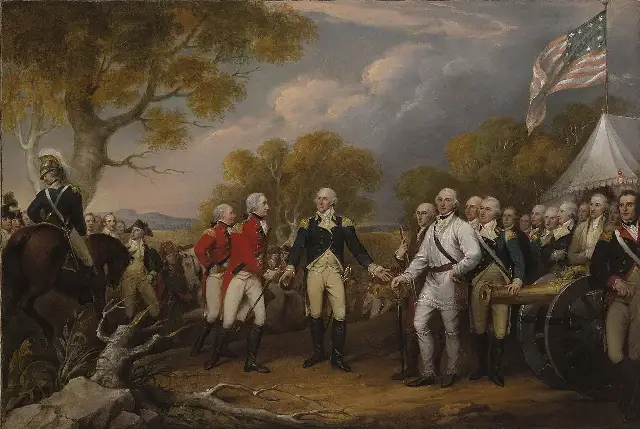
On October 17, 1777, British General Burgoyne surrendered his entire army at Saratoga — the victory that convinced France to join America's fight.
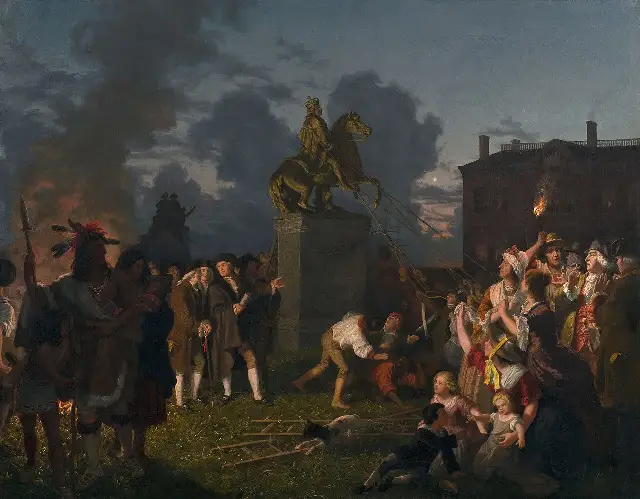
On July 9, 1776, George Washington had the Declaration of Independence read aloud to his army in New York — and that night, a king's statue came down.
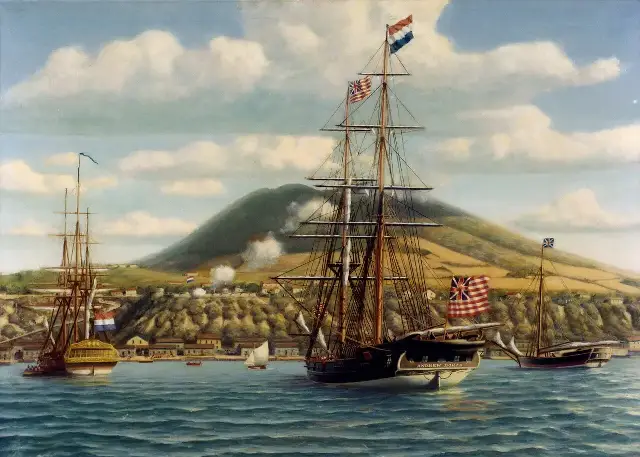
On October 13, 1775, the Continental Congress voted to arm two small ships — and the United States Navy was born.
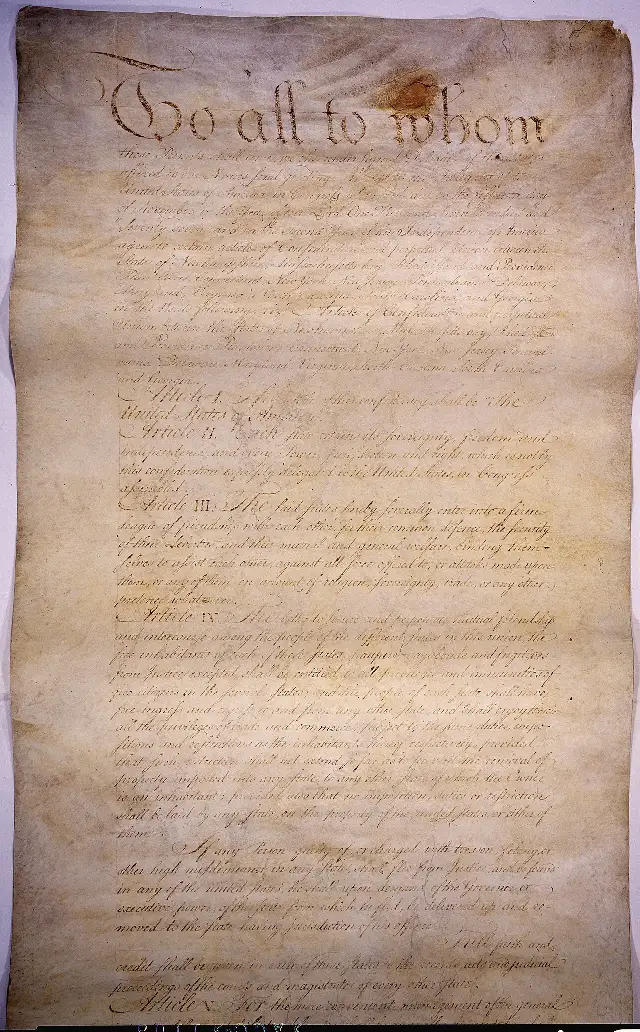
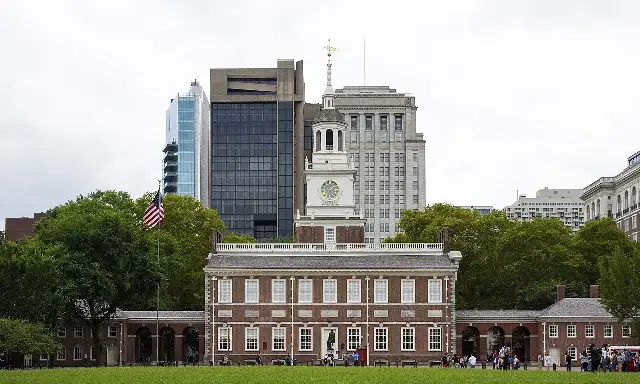
On November 15, 1777, the Continental Congress adopted the Articles of Confederation — the young nation's first frame of government, a 'firm league of friendship' among 13 wary states.
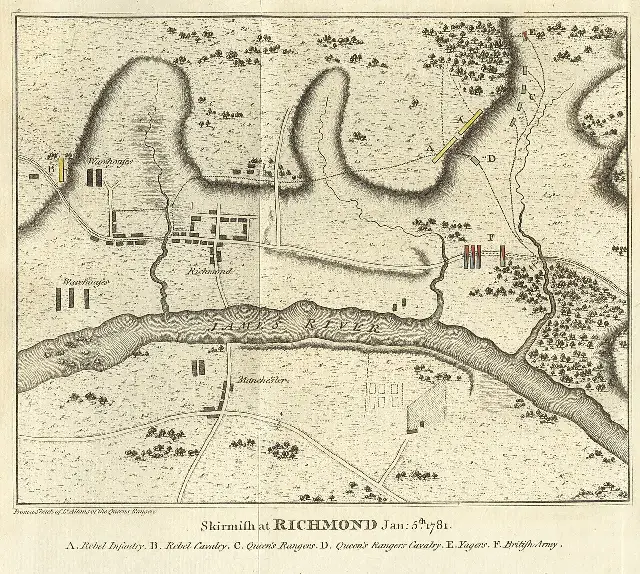
On January 5, 1781, turncoat general Benedict Arnold marched into Virginia's capital at the head of a British army and put Richmond to the torch.
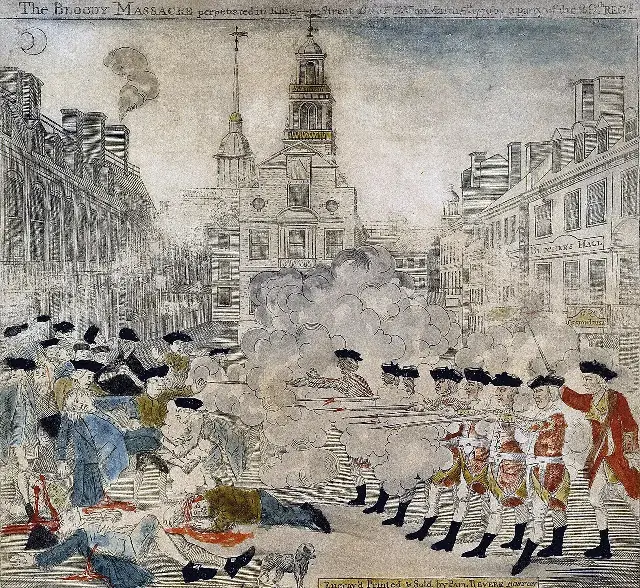
Five colonists died on King Street — but it was Paul Revere's viral engraving, not the muskets, that pushed America toward revolution.
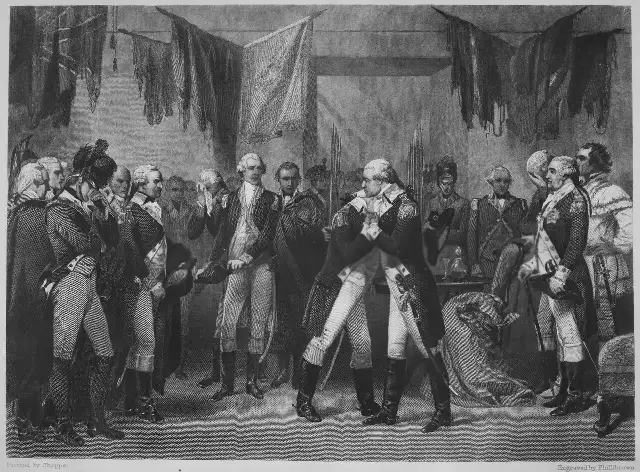
On December 4, 1783, George Washington summoned his officers to Fraunces Tavern in New York, raised a glass in farewell, and chose civilian life over military power.
On January 10, 1776, Thomas Paine's 47-page pamphlet Common Sense was published anonymously in Philadelphia, making the case for American independence in language ordinary colonists could not ignore.
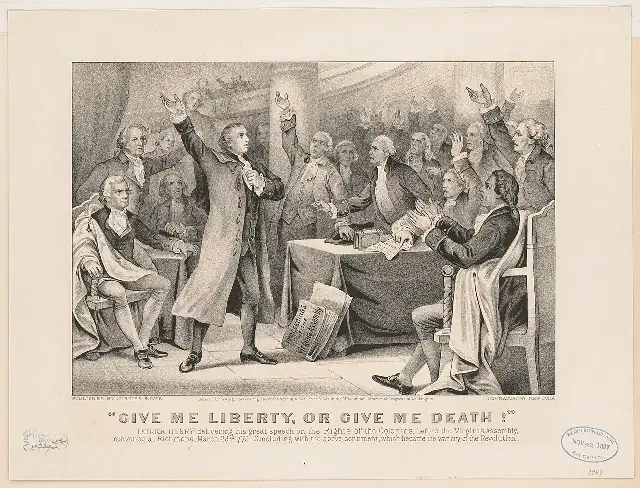
On March 23, 1775, Patrick Henry rose at St. John's Church in Richmond to demand Virginia arm its militia — and gave the Revolution its war cry.
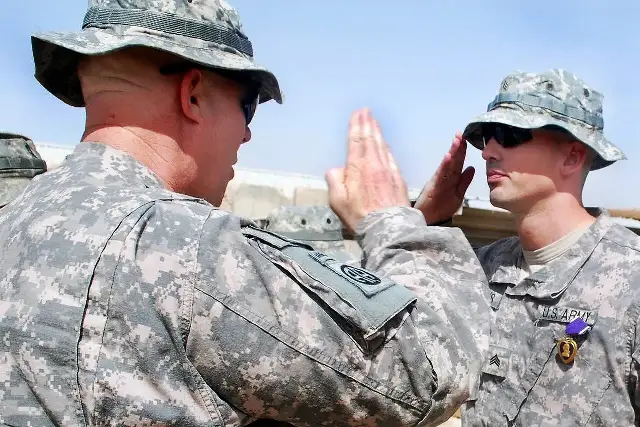
On August 7, 1782, George Washington created America's first military decoration — a purple cloth heart honoring ordinary soldiers, not officers.
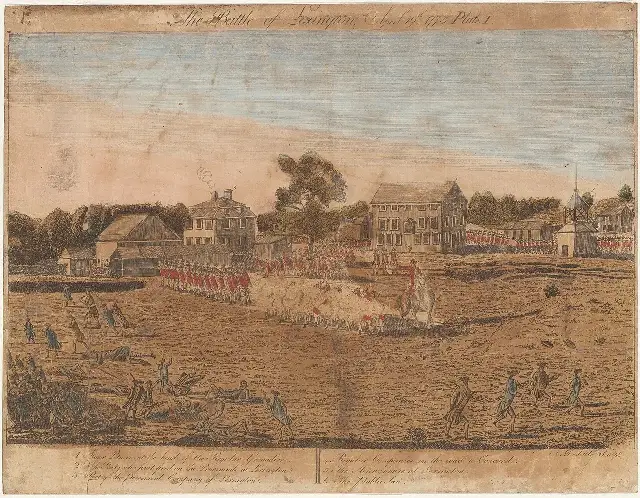
On April 19, 1775, the battles of Lexington and Concord turned a colonial protest into the American Revolutionary War.
On the night of April 18, 1775, Paul Revere rode out of Boston to warn the countryside that British troops were marching.
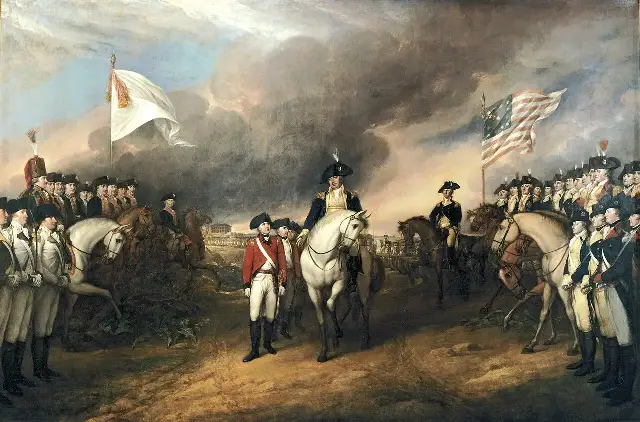
On October 19, 1781, nearly 7,100 British troops laid down their arms at Yorktown, Virginia — effectively winning America its independence.
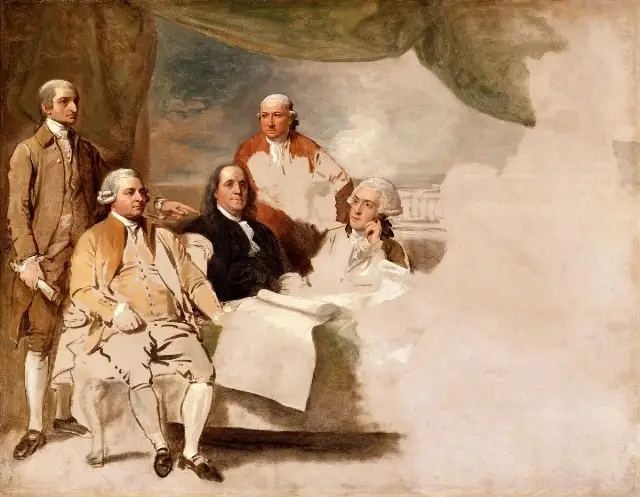
On September 3, 1783, the Treaty of Paris formally ended the American Revolutionary War and recognized the United States as an independent nation.