The Day Napoleon Signed Away His Empire
On April 11, 1814, Napoleon's representatives signed the Treaty of Fontainebleau, ending the emperor's reign and exiling him to the island of Elba.


On April 11, 1814, Napoleon's representatives signed the Treaty of Fontainebleau, ending the emperor's reign and exiling him to the island of Elba.
On July 29, 1836, Paris finally unveiled Napoleon's triumphal arch — thirty years after he ordered it, before a small crowd, while the king feared assassins too much to celebrate.
On February 26, 1815, Napoleon slipped away from his Elba exile with about a thousand men, launching the Hundred Days that ended at Waterloo.
On March 9, 1796, a 26-year-old general married a 32-year-old widow in Paris — and both of them lied about their ages on the marriage certificate.
Four days after Waterloo, Napoleon Bonaparte abdicated the French throne for the second time, ending his return to power and his reign forever.
On December 2, 1804, Napoleon Bonaparte crowned himself Emperor of the French at Notre-Dame, with Pope Pius VII watching from the sidelines.
On June 18, 1815, Napoleon Bonaparte's empire ended in a muddy Belgian field — and Europe's map was redrawn for a century.
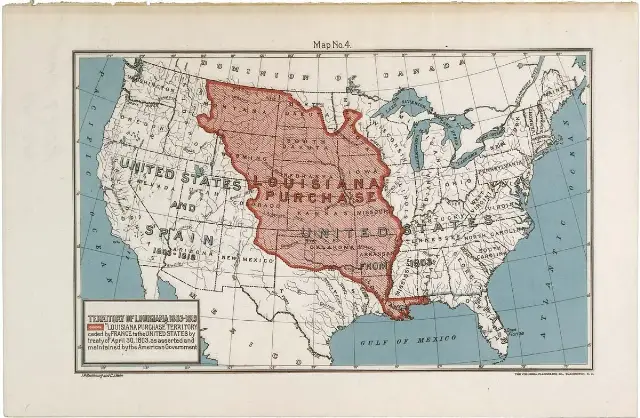
On April 30, 1803, the Louisiana Purchase treaty was dated in Paris, doubling the size of the United States overnight.