Sovereign at Last: Tunisia Wins Its Independence
On March 20, 1956, France formally recognized Tunisia's independence, ending a 75-year protectorate and crowning Habib Bourguiba's decades-long struggle.
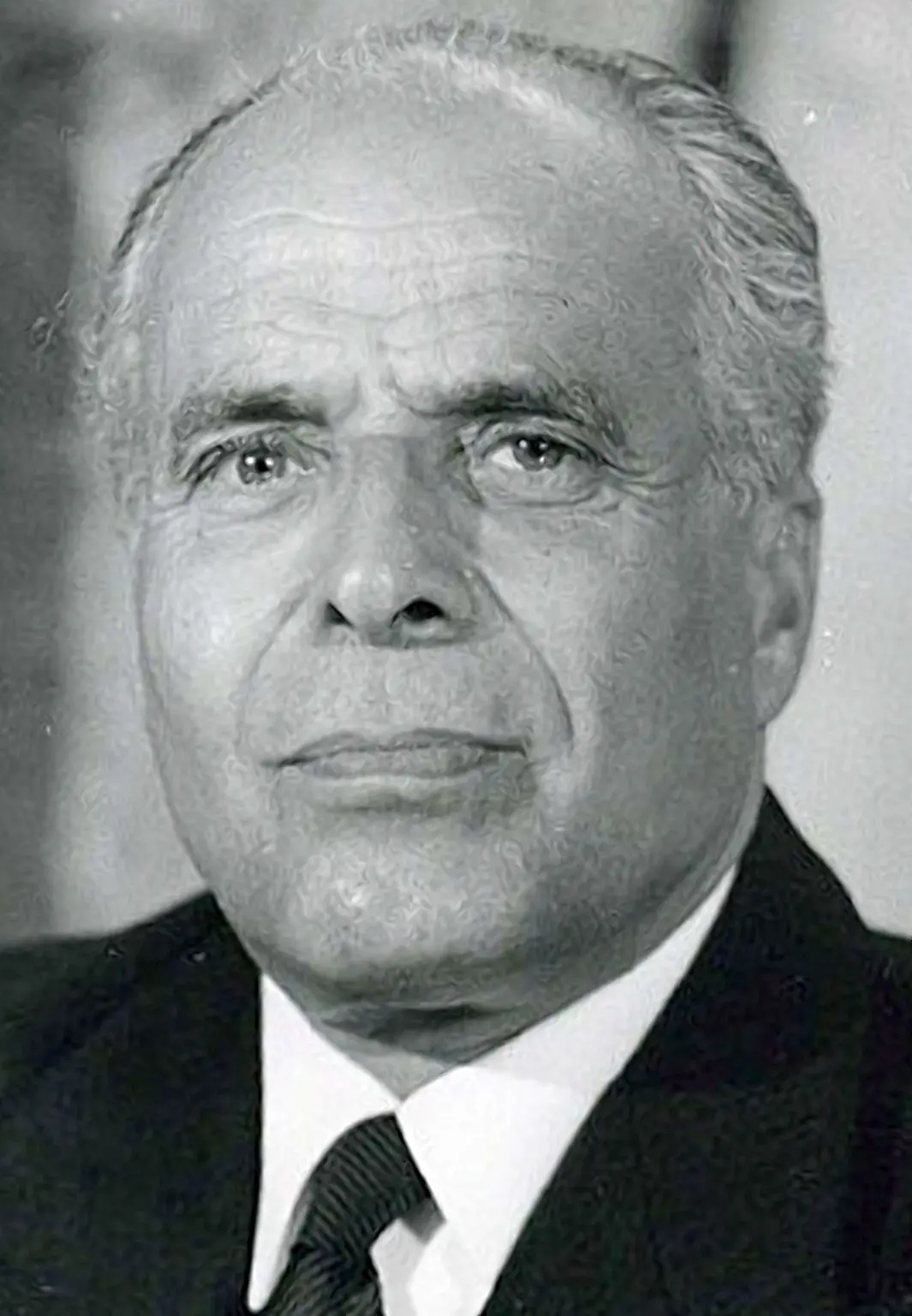
At about half past five on the afternoon of March 20, 1956, in the gilded rooms of the Quai d'Orsay in Paris, France's foreign minister, Christian Pineau, signed a protocol alongside Tunisia's prime minister, Tahar Ben Ammar. With that signature, Pineau declared that France 'solemnly recognizes the independence of Tunisia.' Seventy-five years of French rule were over.
Tunisia had been a French protectorate since the 1881 Treaty of Bardo, and the independence movement had been organizing for decades. The Destour party was founded in 1920; in 1934, a young lawyer named Habib Bourguiba broke away to form the Neo Destour, a tougher, mass-based movement. Bourguiba spent years in French prisons — the Nazis even tried to recruit him during World War II, and he refused. After the war he pressed a strategy of negotiation backed by popular pressure: strikes, protests, and, from 1952, armed resistance.
France, bleeding in Indochina and Algeria, began to bend. In April 1955 Paris granted Tunisia internal autonomy — but kept control of the army and foreign affairs, a half-measure that split Bourguiba's own Neo Destour party and led to the expulsion of his radical rival Salah Ben Youssef. When France then ended its protectorate over neighboring Morocco to concentrate its forces in Algeria, Bourguiba saw his opening. He flew to Paris in February 1956 and demanded full sovereignty. The French settlers in Tunis protested furiously, but the French government, unable to fight on every front, gave way.
Two days after the signing, Bourguiba returned to Tunis to a hero's welcome and announced independence to cheering crowds as the Tunisian flag was raised. That July, Tunisia joined the United Nations. The following year, on July 25, 1957, Bourguiba ended the monarchy and proclaimed the Republic of Tunisia, with himself as its first president — a post he would hold for thirty years, building schools, expanding primary education and women's rights (including the landmark 1956 Personal Status Code), and modernizing the country.
March 20 is still Tunisia's Independence Day, its proudest national holiday. And Bourguiba's achievement stands as one of the great negotiated decolonizations: independence won not on a battlefield, but at a table in Paris, by a man who had spent a lifetime preparing for that signature. Tunisia's peaceful path set it apart from neighboring Algeria, where independence would come only after eight years of brutal war — a contrast Tunisians still cherish.
Photo: unknown photographer, public domain.