The Austerity Games: London's Olympics on Rations
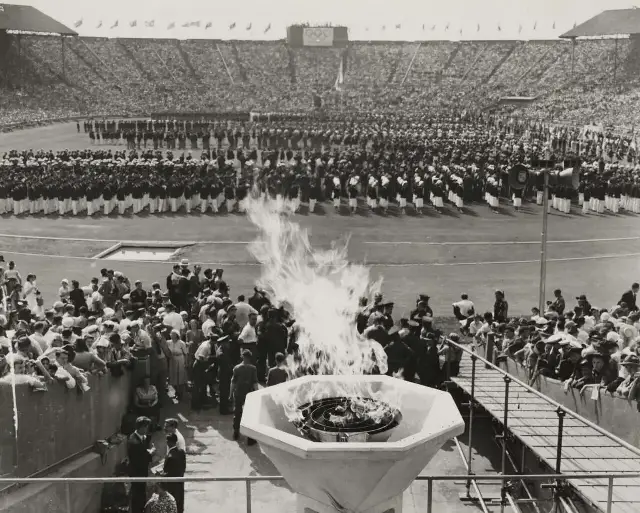
On July 29, 1948, war-scarred London opened the first Olympics in twelve years — with rationed food, borrowed kit, and a spirit the world desperately needed.


On July 29, 1948, war-scarred London opened the first Olympics in twelve years — with rationed food, borrowed kit, and a spirit the world desperately needed.
On July 30, 1932, Los Angeles opened the Xth Olympiad in the depths of the Great Depression — and quietly reinvented how the Olympic Games are staged forever.
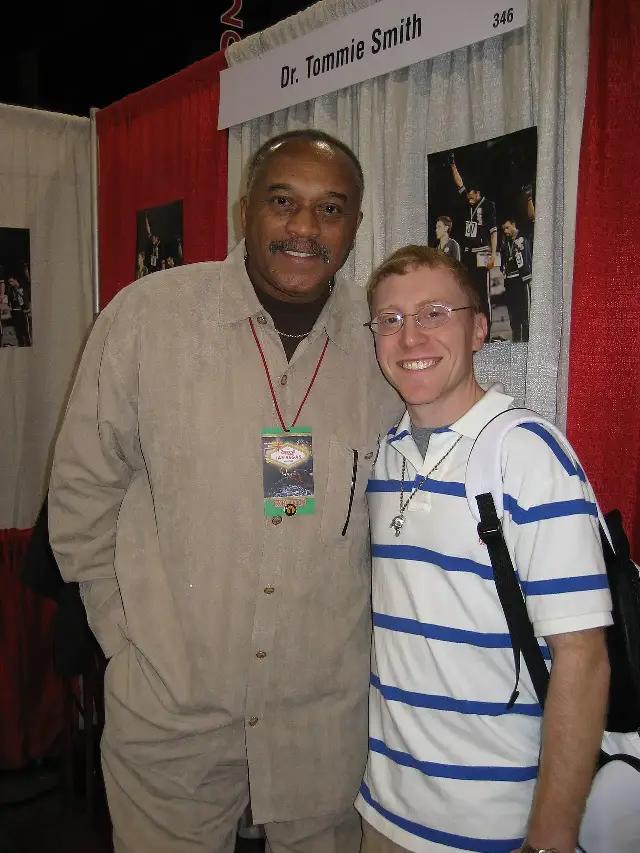
On October 18, 1968, the United States Olympic Committee expelled Tommie Smith and John Carlos for their silent protest against racism on the medal podium.
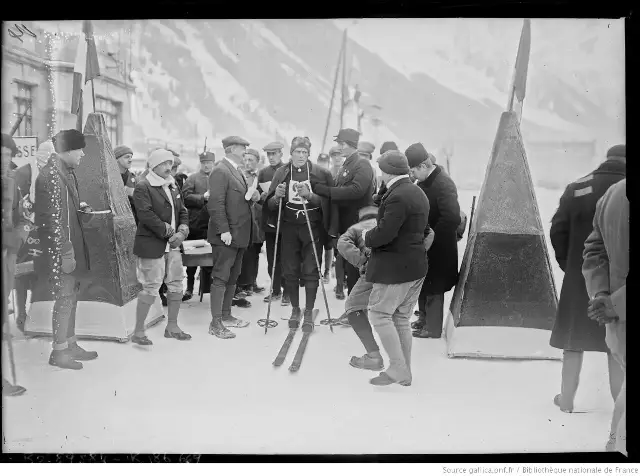
On January 25, 1924, the first Winter Olympics opened in Chamonix, France — a modest “winter sports week” that grew into one of the world's greatest sporting traditions.
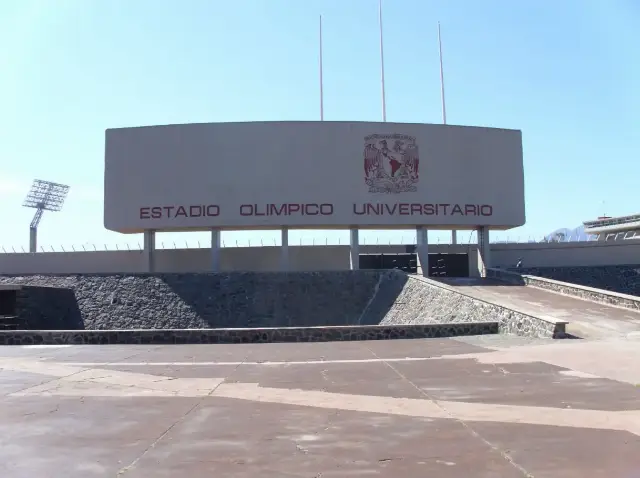
On October 14, 1968, Jim Hines ran 100 meters in 9.95 seconds in Mexico City — the first electronically timed run under ten seconds.
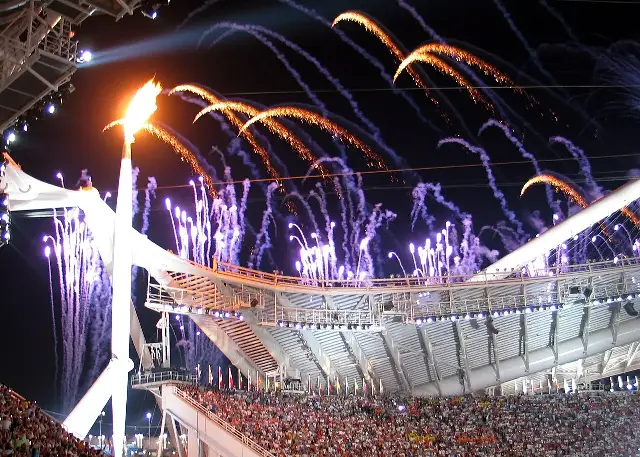
On August 13, 2004, Athens opened the Summer Olympics with a spectacular ceremony tracing Greek history before 72,000 spectators in the Olympic Stadium.
On June 23, 1894, a French baron's dream became real: the International Olympic Committee was founded in Paris, reviving the ancient Games.
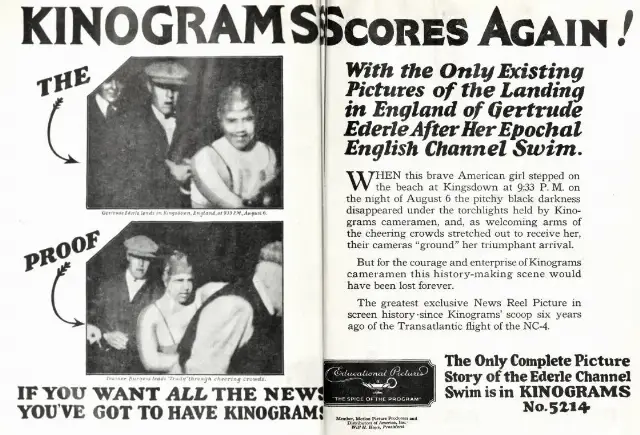
On August 6, 1926, Gertrude Ederle became the first woman to swim the English Channel — and beat the men's record by nearly two hours.
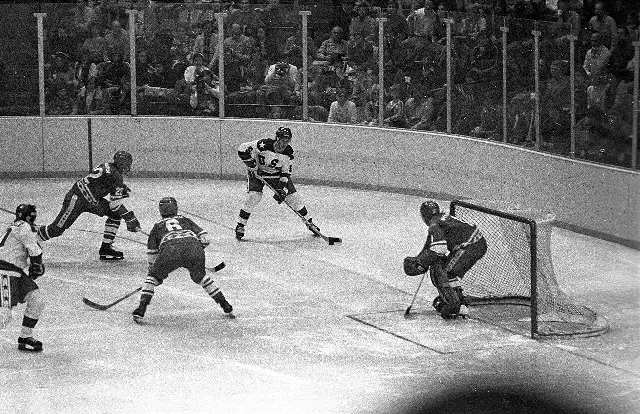
On February 22, 1980, a team of American college kids stunned the mighty Soviet Union 4-3 at Lake Placid in the 'Miracle on Ice.'
On July 18, 1976, 14-year-old Romanian gymnast Nadia Comaneci earned the first perfect 10 in Olympic history — and the scoreboard, built for a maximum of 9.99, could only flash '1.00.'
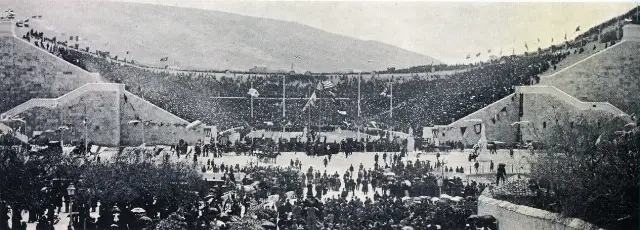
On April 6, 1896, King George I of Greece opened the first modern Olympic Games before some 80,000 spectators in Athens' marble Panathenaic Stadium.