The Morning Lebanon Became Free
On November 22, 1943, France released Lebanon's imprisoned leaders from Rashaya Citadel — the moment Lebanon celebrates as its independence day.
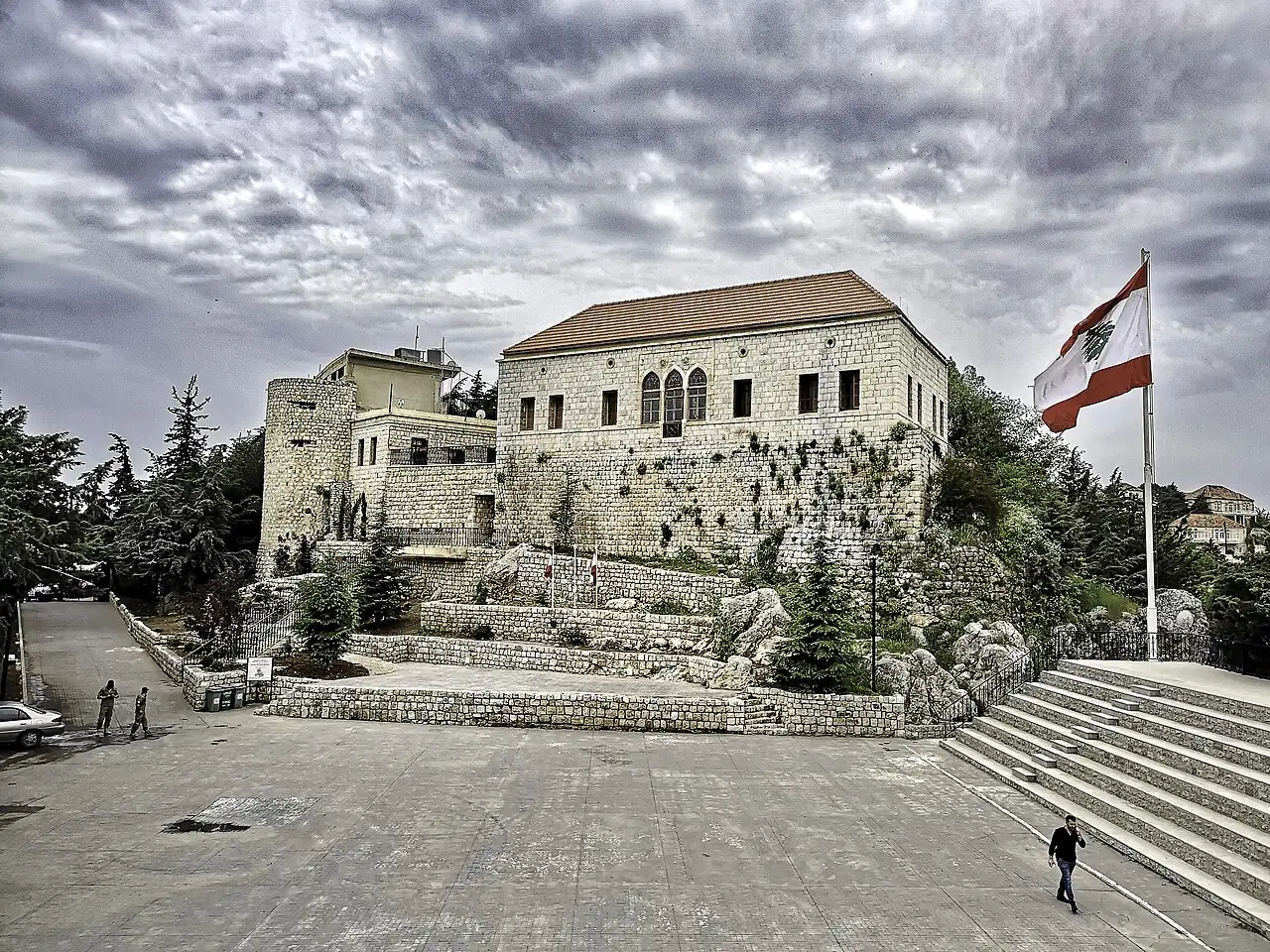
On the morning of Monday, November 22, 1943, the gates of an old stone citadel swung open in the Lebanese mountains — and a nation was born. The French had freed President Bechara El Khoury and his government after eleven days as prisoners, bowing to street protests and international pressure. Lebanon has celebrated November 22 as its independence day ever since.
Lebanon had been under French control since 1920, first as a mandate and then under Free France during the Second World War. By 1943, Lebanese nationalists — Christians and Muslims together — had had enough. That September, Khoury was elected president and named Riad al-Solh prime minister. On November 8, the Chamber of Deputies amended the constitution to strike out every reference to the French Mandate, effectively declaring independence on its own.
Paris answered with soldiers. On November 11, Free French troops arrested Khoury, Solh, and other ministers and locked them in the Rashaya Citadel in the Bekaa Valley. The move backfired spectacularly. Deputies who escaped arrest regrouped at the home of the parliament's speaker, Sabri Hamadé, and named the two ministers who had slipped the net — Emir Majid Arslan and Habib Abou Chahla — as a rump government. From the village of Bechamoun, where the country's first new flag was raised, the so-called Government of Bechamoun refused to negotiate and raised a National Guard to resist.
In Beirut and across the country, Christians and Muslims marched together demanding the prisoners' freedom, and foreign governments added their voices. France yielded. On the morning of November 22, the detainees walked out of Rashaya, and jubilant crowds filled Martyrs' Square in Beirut. Khoury resumed the presidency the same day.
The victory was sealed with a remarkable bargain. Khoury and Solh drew up the National Pact, an unwritten agreement that still shapes Lebanon: Christians accepted the country's Arab identity and gave up French protection, Muslims accepted Lebanon's borders and gave up dreams of union with Syria, and the great offices of state were divided among the faiths — a Maronite Christian president, a Sunni Muslim prime minister, a Shia Muslim speaker of parliament.
French troops lingered for three more years, finally leaving on December 31, 1946. Khoury would remain president until 1952, guiding the young republic through its first turbulent decade. But November 22, 1943 — the day a mountain prison opened and a new flag rose over Bechamoun — remains Lebanon's birthday.
Photo: Hardscarf, CC BY-SA 4.0 (via Wikimedia Commons).