Green Hills and a Fresh Start: Windows XP Is Born
On October 25, 2001, Microsoft launched Windows XP — the green-hilled operating system that refused to die for over a decade.
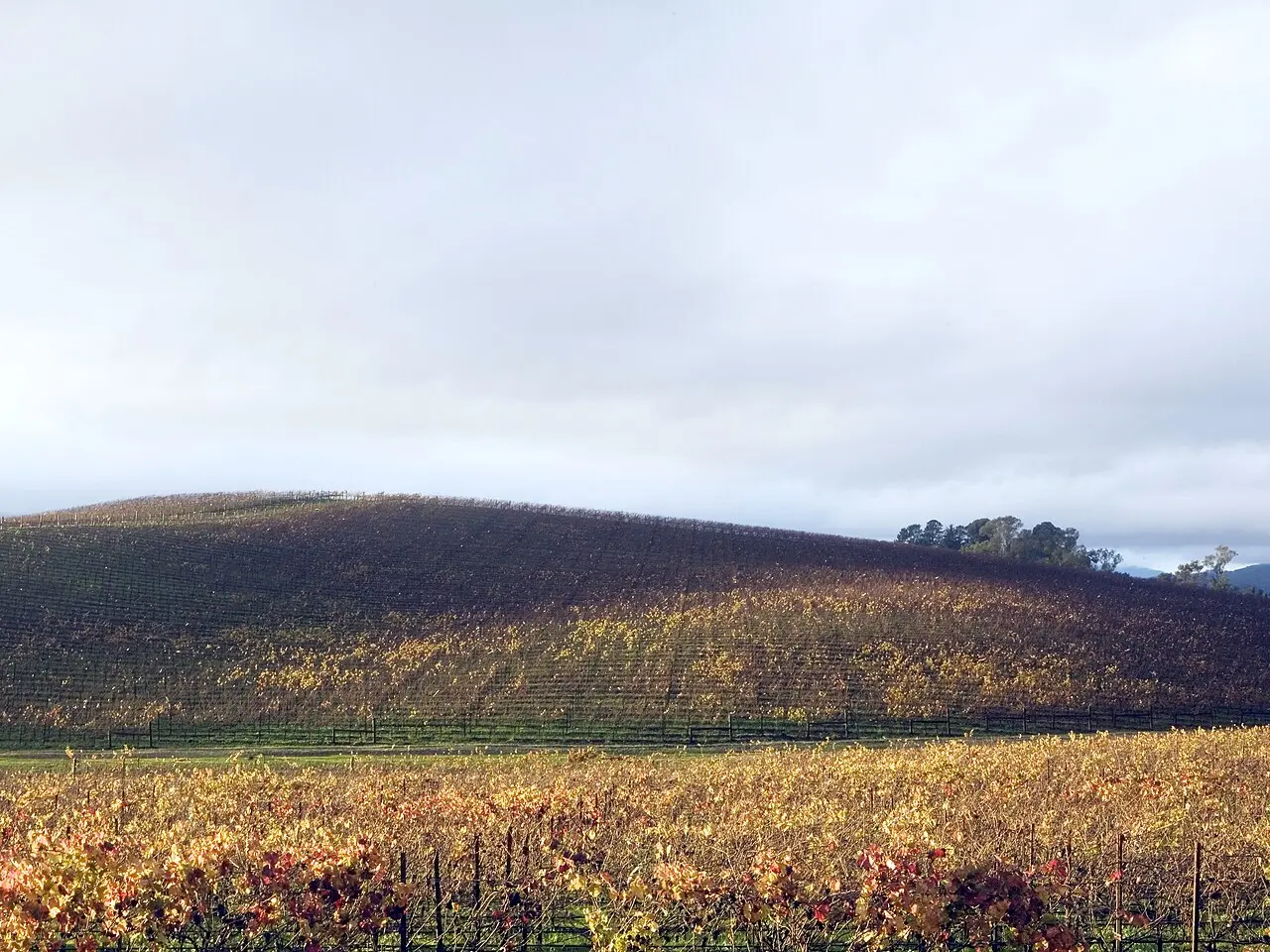
There is a hill in Sonoma County, California, that more people have seen than almost any place on Earth — and almost none of them know where it is.
In January 1996, photographer Charles O'Rear was driving along Highway 12/121 when he noticed the hill: green grass, a bright blue sky, a few white clouds, not a building or a power line in sight. He pulled over and took the picture. The image ended up in the stock library of Corbis, Bill Gates's photo company, which licensed it to Microsoft. It became "Bliss" — the default wallpaper of the operating system that launched on October 25, 2001: Windows XP.
The launch came just six weeks after the September 11 attacks, in a wounded New York City. Microsoft held its launch event there anyway, part celebration and part tribute, and sent XP out into a world that was in no mood for parties. The software itself was a fresh start of a different kind. Codenamed "Whistler," it was the first Windows built for ordinary home users on the sturdy Windows NT foundation — the same industrial-strength core that had previously been reserved for business machines. The name "XP" stood for "eXPerience," and the experience was new: rounded, colorful windows, a redesigned Start menu, and that green hill greeting you every time the computer booted.
It was also, quietly, a more controlling Windows. XP was the first version to require product activation — you had to prove to Microsoft that your copy was legitimate, over the internet or by phone, or it would stop working properly. Critics grumbled about the new licensing. Reviewers grumbled about missing drivers. Retail sales were initially modest; market researchers noted that in its first two months XP sold fewer boxed copies than Windows 98 had in the same period. The analysts who looked closer saw the real story: people weren't buying boxes, they were buying new computers — and every new computer came with XP already on it.
And then XP did something no one quite expected: it refused to die. By early 2006, analysts estimated some 400 million copies were in use. When the successor, Windows Vista, arrived in 2007 and stumbled, users clung to XP — businesses, schools, ATMs, and cash registers ran it for years. Microsoft tried repeatedly to retire it, pushing the end of sales from date to date, and kept extending support until April 8, 2014 — nearly thirteen years after launch. Even then, holdouts kept it alive on old machines and embedded systems for years more.
XP mattered because it was the operating system on which a generation of the world learned to compute. It was stable enough to trust and familiar enough to love, and it stayed on desks so long that its look — the blue taskbar, the green Start button, that impossible green hill — became the visual shorthand for "computer" itself. The hill, by the way, is real, though it rarely looks like the wallpaper anymore; the vineyard-covered slope in Sonoma County changes with the seasons, and photographers still make pilgrimages to find the exact spot where O'Rear stood.
Image: The Sonoma County, California hillside photographed as the location of the "Bliss" wallpaper — the default desktop image of Windows XP — seen here in autumn, by Simon Goldin, CC BY-SA 3.0 (via Wikimedia Commons). (The original "Bliss" photograph itself, by Charles O'Rear, is licensed to Microsoft.)