Warty Warthog: The Little Linux That Could
On October 20, 2004, a South African startup released Ubuntu 4.10, "Warty Warthog" — the free operating system built on the promise of "Linux for Human Beings."
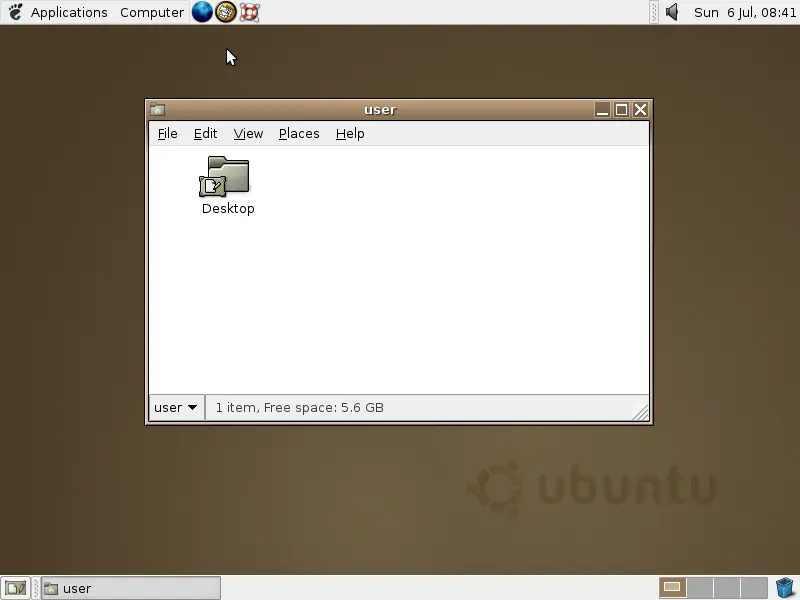
On October 20, 2004, a small London-based company released a free computer operating system with an unlikely name: Ubuntu 4.10, codenamed the "Warty Warthog." It was the first release of Ubuntu — and it would grow into one of the most popular Linux distributions on earth.
Ubuntu was the project of Mark Shuttleworth, a South African entrepreneur who had made a fortune in internet security and founded a company, Canonical, to fund a simple idea: make Linux easy enough for ordinary human beings. The name came from the African philosophy of ubuntu — often translated as "humanity toward others" — and the motto was "Linux for Human Beings."
The Warty Warthog was built on Debian, the venerable community Linux distribution, with the GNOME desktop. What set it apart was polish and purpose: a straightforward installer, a clean default desktop, and a promise that new versions would arrive like clockwork every six months — April and October, each named for an alliterative animal. And then there was ShipIt: Canonical would mail free Ubuntu CDs to anyone in the world who asked, no charge, spreading the system to places where downloading it was impossible.
The timing was right. Windows users were weary of viruses and licensing costs; Linux on the desktop was powerful but forbidding. Ubuntu's first release was rough around the edges — hence "Warty" — but it was free, friendly, and constantly improving. Within a few years it was the most widely used desktop Linux, and it went on to dominate servers and the cloud as well.
The names became a tradition: Hoary Hedgehog, Breezy Badger, Dapper Drake — each release an alliterative animal, each arriving in April or October like clockwork. The ShipIt program, meanwhile, pressed and mailed millions of free CDs over the years, carrying Ubuntu to schools, internet cafés, and homes across Africa, Asia, and Latin America, where broadband was scarce and a free disc was a revolution in a sleeve.
Why it matters: Ubuntu proved that open-source software could compete on usability, not just price. Its six-month cadence became an industry model, and its community — bound by that philosophy of shared humanity — showed that a global volunteer project could take on the biggest software companies in the world and win.
Photo note: the desktop of Ubuntu 4.10 "Warty Warthog," with its distinctive brown theme and GNOME desktop. Screenshot of free software released under the GPL, via Wikimedia Commons.