Three Dots, Three Dashes: The Day the World Agreed on SOS
On October 3, 1906, delegates from 27 nations met in Berlin and gave sinking ships a single universal cry for help: SOS — three dots, three dashes, three dots.
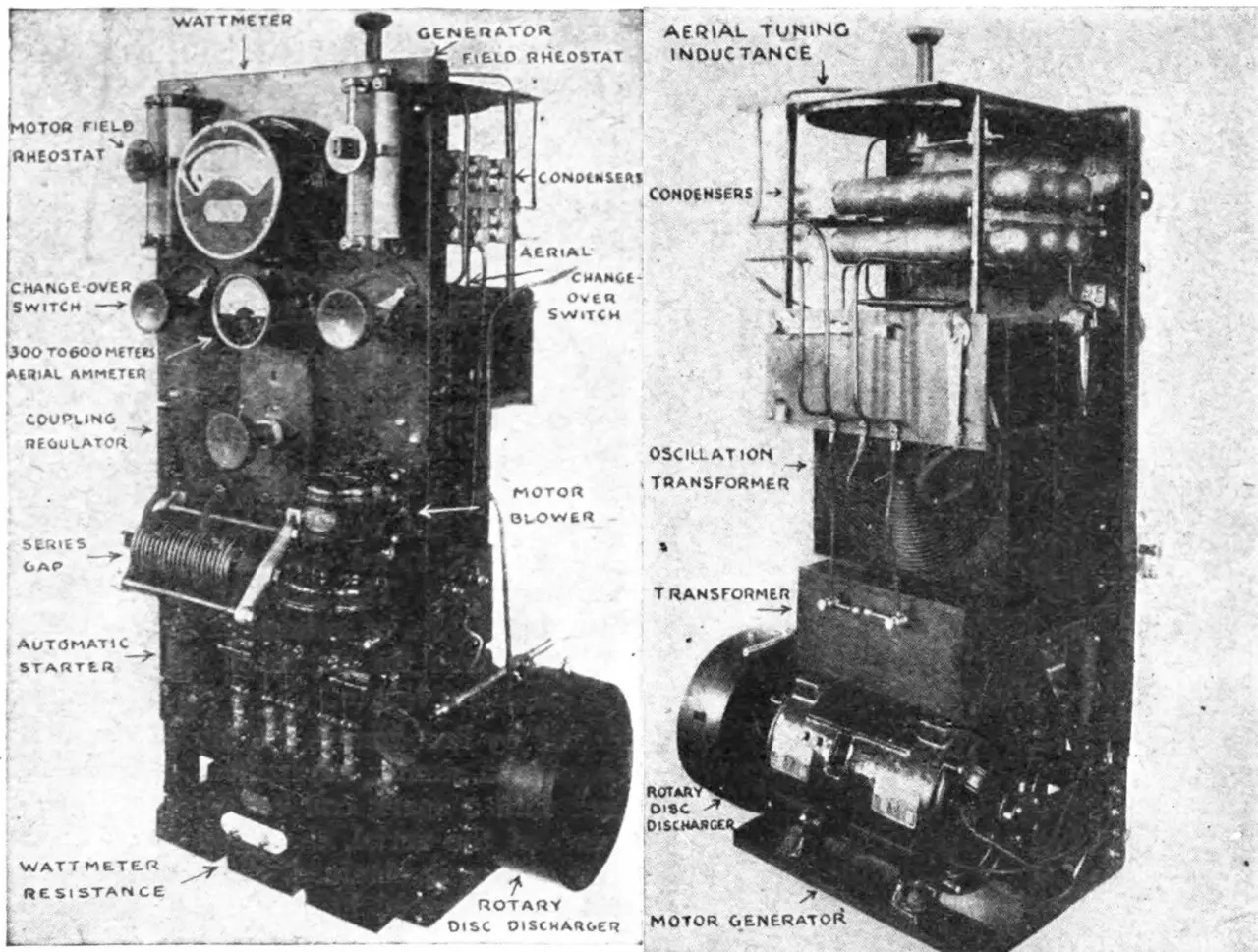
Before the world agreed on a single cry for help, a sinking ship's chances depended on which flag it flew. In the early days of wireless telegraphy, every maritime nation had its own distress call: British ships tapped out CQD, the Marconi Company's signal; American operators sent NC, meaning "call for help without delay"; German vessels used SOE. A ship in trouble could shout into the ether and be misunderstood — or ignored — by the very vessels steaming to its rescue.
On October 3, 1906, that began to change. Delegates from 27 nations gathered in Berlin for the first International Radiotelegraph Convention — the first major meeting to set worldwide standards for the new technology of wireless. Germany, which had hosted a preliminary conference three years earlier, drove the effort. After weeks of negotiation, the convention adopted Germany's own signal as the universal standard for ships in distress: SOS.
It was chosen for the least romantic reason imaginable: it was easy. In Morse code, SOS is three dots, three dashes, three dots — a crisp, rhythmic pattern a panicking operator could key with shaking hands and a distant listener could recognize through static. The three letters don't stand for anything at all. "Save our souls," "save our ship" — those phrases came later, backronyms invented to give the meaningless letters meaning.
The agreement was signed on November 3, 1906, and took effect on July 1, 1908 — though sailors were slow to abandon their old habits. The first ship to send SOS in a real emergency was the Cunard liner SS Slavonia, wrecked off the Azores on June 10, 1909; two steamers heard her and came to the rescue. Three years later, the most famous distress call in history mixed old and new: as the Titanic went down in April 1912, her operators sent both CQD and SOS.
The Berlin convention did more than pick a signal. With 27 nations at the table, it produced the first international rulebook for the young technology of wireless — standards for ship-to-shore communication that stayed in force until they were updated at a second convention in London in 1912. And SOS found a spoken-word sibling: in 1923 a London radio officer proposed "Mayday," from the French m'aider — "help me" — as the voice equivalent, and it became official in 1929. Between them, the two calls have summoned rescuers in every language on Earth.
It matters because SOS was one of the first truly global technical standards — a small piece of cooperation in an age of empires that otherwise spent their energy competing. No treaty of alliance ever saved as many lives as those nine Morse characters. More than a century later, through wars, revolutions, and the invention of satellites, ... --- ... is still the sound the world makes when everything is at stake.
Photo: Elmer Eustace Bucher, public domain (via Wikimedia Commons).