Eli Whitney's Cotton Gin Patent — and Its Terrible Irony
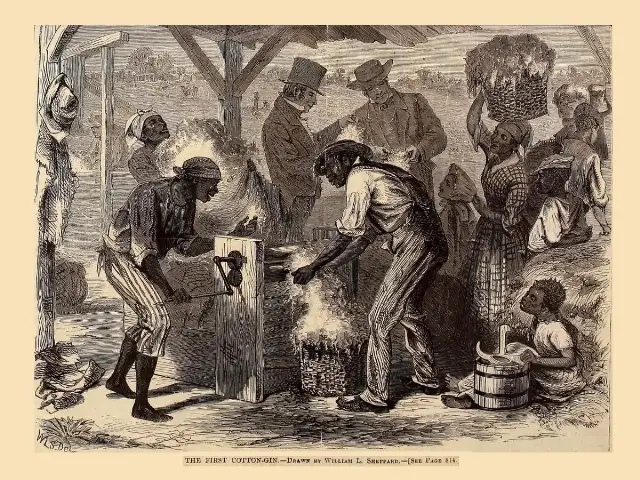
On March 14, 1794, Eli Whitney received a patent for the cotton gin, an invention meant to ease labor that instead fueled the brutal expansion of slavery.


On March 14, 1794, Eli Whitney received a patent for the cotton gin, an invention meant to ease labor that instead fueled the brutal expansion of slavery.
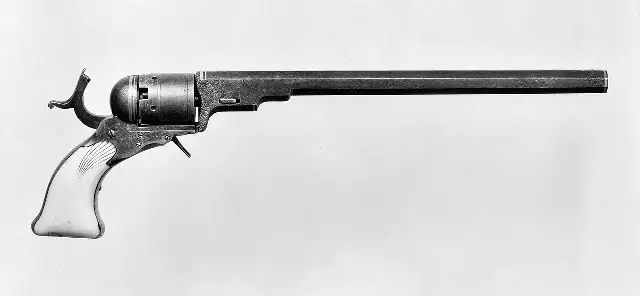
On February 25, 1836, Samuel Colt received the U.S. patent for his revolving-cylinder pistol, the invention that became the Colt Paterson and changed firearms forever.
On June 23, 1868, Christopher Latham Sholes and two partners received the patent for a writing machine that would put a keyboard under the world's fingers.
On March 30, 1858, Philadelphia stationer Hymen Lipman patented the first pencil with an attached eraser — and four years later sold the idea for $100,000.
On March 7, 1876, Alexander Graham Bell received U.S. Patent No. 174,465 for the telephone, after his application beat rival Elisha Gray's to the patent office by hours.
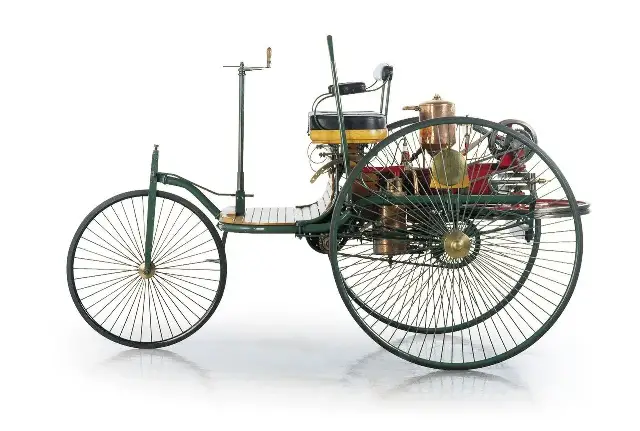
On January 29, 1886, German engineer Karl Benz filed patent DRP 37435 for a "vehicle with gas engine operation" — the world's first practical automobile.