The General Who Stepped Ashore and Started a Nation
On May 19, 1919, Mustafa Kemal landed at the Black Sea port of Samsun on a secret mission that ignited Turkey's War of Independence and led to the modern Turkish Republic.
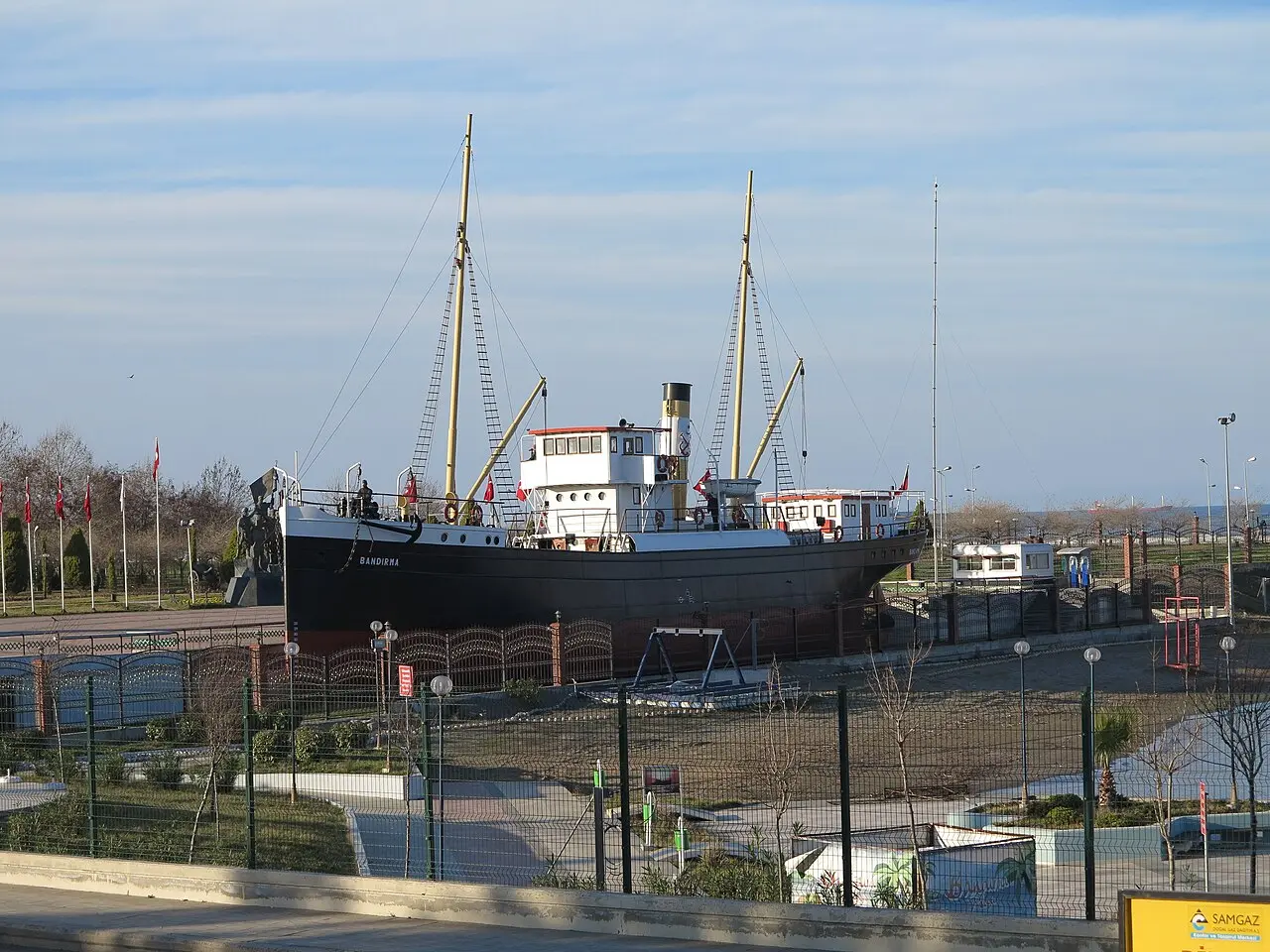
On the morning of May 19, 1919, a small, weather-beaten steamer nosed into the harbor at Samsun, a quiet port on Turkey's Black Sea coast. Among its handful of passengers was a 38-year-old Ottoman general traveling on official orders — and carrying a secret plan that would redraw the map of the Middle East.
The Ottoman Empire had just lost the First World War. Under the Armistice of Mudros, signed on October 30, 1918, the empire that had stood for six centuries was being carved apart: British, French, Italian, and Greek troops occupied the capital and large stretches of Anatolia, and the Sultan's government in Constantinople could do little but comply.
The general was Mustafa Kemal, already a national hero. As a colonel in 1915, he had helped stop the Allied landings at Gallipoli. Now, in the spring of 1919, the Sultan's government had given him a new assignment: Inspector of the Ninth Army, with sweeping authority over the eastern provinces. His official task was to travel into Anatolia and oversee the quiet demobilization of the empire's remaining forces — to wind the army down without trouble. The appointment was approved on April 30 and took effect with its publication in the official gazette on May 5.
Kemal accepted the mission and meant something entirely different by it. On May 16 he boarded the little steamer Bandırma in Constantinople with a small staff, sailed across the Black Sea, and three days later stepped onto the pier at Samsun. He took rooms at the Mıntıka Palas Hotel, and within days he was moving inland, first to Havza, then deeper into Anatolia, doing the opposite of what he had been sent to do: instead of disbanding the nation's soldiers, he began rallying them.
What followed was one of the most remarkable nation-building campaigns of the twentieth century. Kemal convened congresses at Erzurum in July 1919 and Sivas that September, forging scattered resistance groups into a single national movement. On April 23, 1920, he opened the Grand National Assembly in Ankara — a rival government to the Sultan's. His forces fought off Greek armies that had pushed deep into Anatolia, and by 1922 the mainland was liberated. The Treaty of Lausanne, signed in July 1923, recognized the new state's borders; that October, Ankara became the capital, and on October 29, 1923, the Republic of Turkey was proclaimed, with Mustafa Kemal as its first president.
Then came the transformation. In fifteen years as president, Kemal abolished the sultanate and the caliphate, made government and education secular, replaced the Arabic script with a Latin alphabet, gave women full political rights, and dragged a medieval empire into the modern age. In 1934, parliament gave him a new surname befitting what he had done: Atatürk — "Father of the Turks." He died in 1938, but the republic he built endures.
May 19 is remembered in Turkey as the day it all began — the accepted start of the War of Independence, and a national holiday honoring Atatürk and the country's youth. A general stepped off a steamer onto a Black Sea pier with almost nothing: no army, no money, no international support. He had only a conviction that his people could be one nation instead of the subjects of a dying empire. It was enough.
Photo: Kayhan ERTUGRUL, CC BY-SA 3.0 (via Wikimedia Commons).