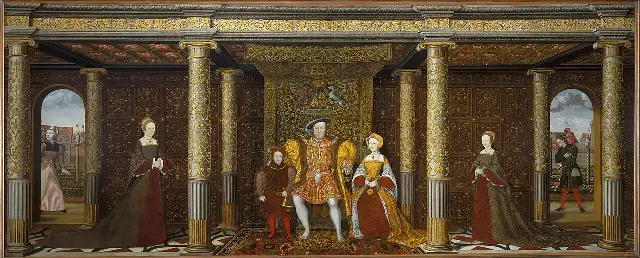
A Nine-Year-Old Inherits the Tudor Throne
Henry VIII died in the early hours of January 28, 1547, leaving England — and its turbulent religious future — in the hands of his nine-year-old son Edward.


Henry VIII died in the early hours of January 28, 1547, leaving England — and its turbulent religious future — in the hands of his nine-year-old son Edward.
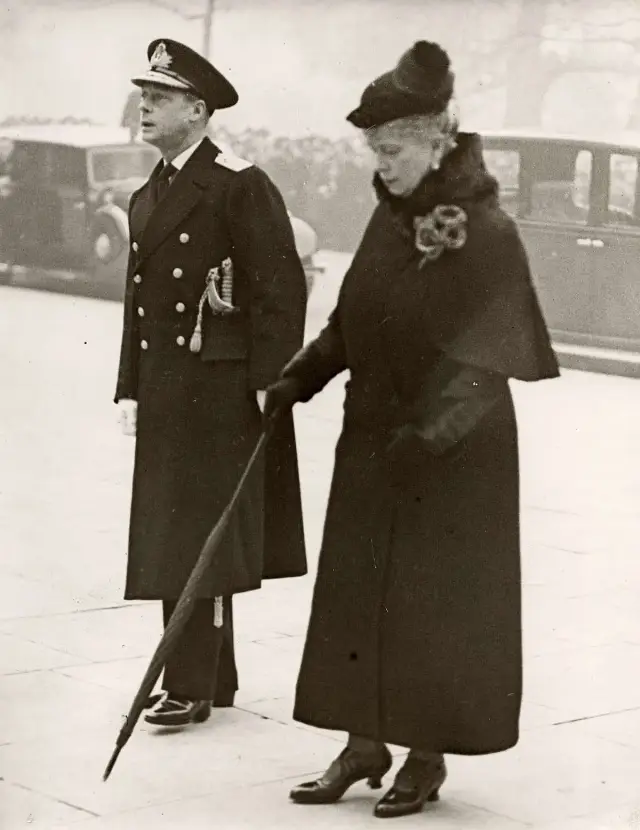
On January 20, 1936, the dashing Prince of Wales became Edward VIII — and abdicated less than a year later for the woman he loved.
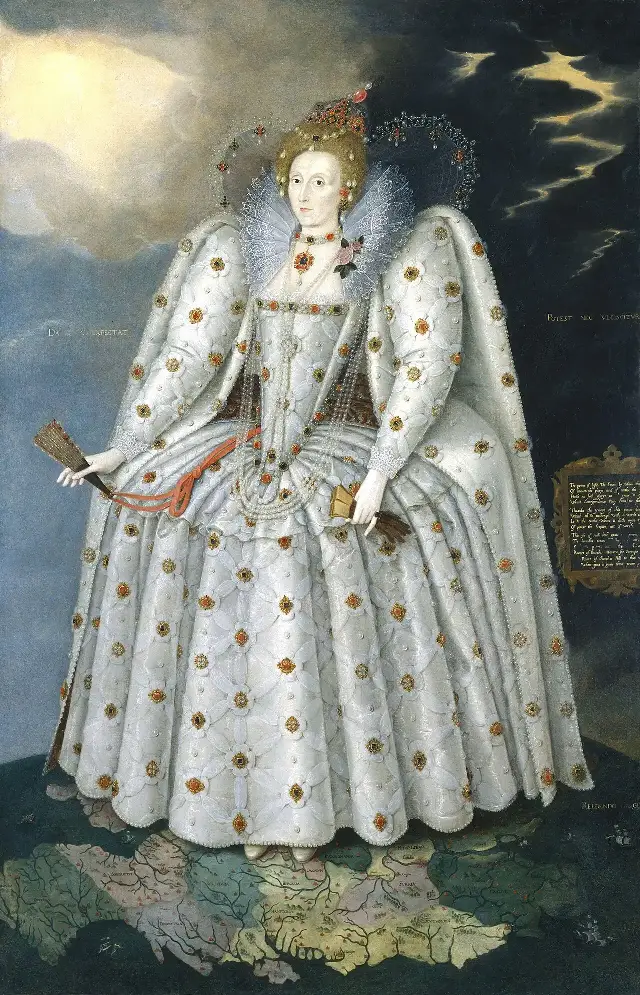
On November 17, 1558, Queen Mary I died at St James's Palace, and her half-sister Elizabeth — once imprisoned, once declared illegitimate — became queen of England.
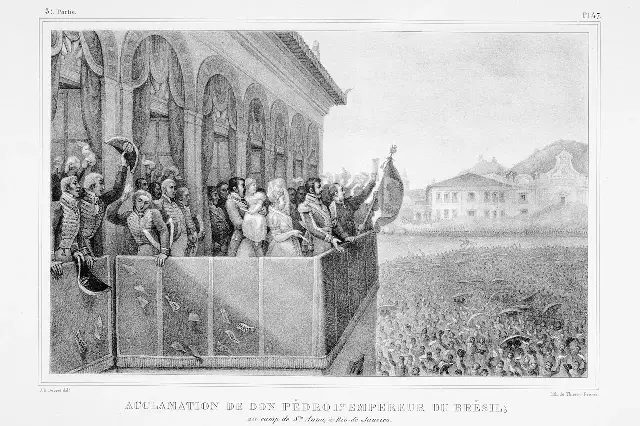
On October 12, 1822 — his 24th birthday — Prince Pedro was acclaimed Dom Pedro I, Constitutional Emperor of Brazil, completing an independence won when the prince switched sides.
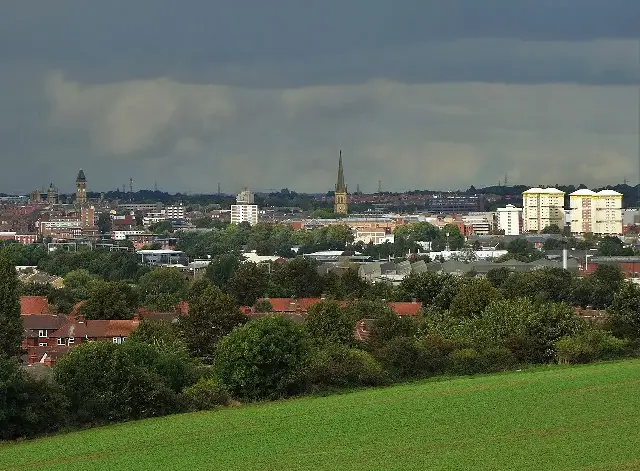
On December 30, 1460, Richard, Duke of York, died at the Battle of Wakefield — a Lancastrian triumph that pushed England's Wars of the Roses toward their bloodiest chapter.
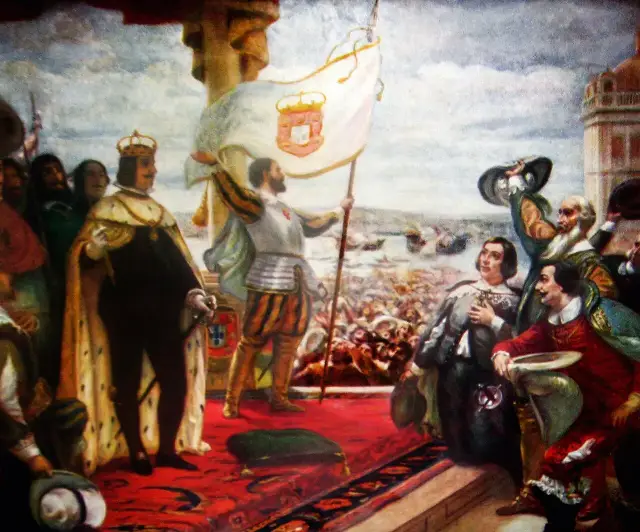
On December 1, 1640, the Forty Conspirators stormed Lisbon's royal palace and acclaimed the Duke of Braganza as King John IV, ending sixty years of Spanish rule.
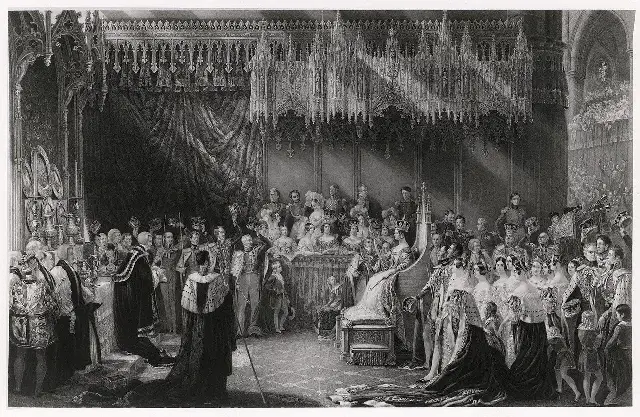
On June 28, 1838, a 19-year-old queen was crowned in London — and charmed the nation despite a gloriously botched ceremony.
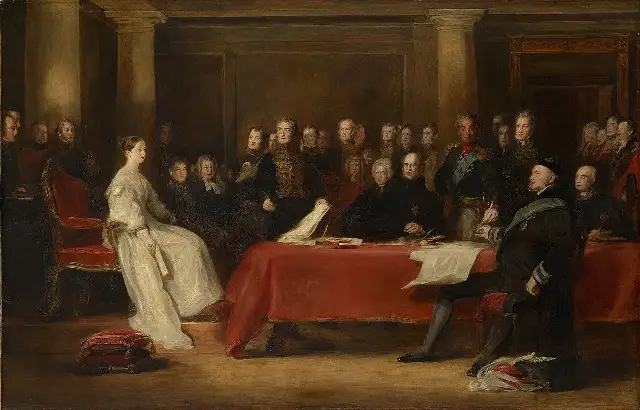
On June 20, 1837, eighteen-year-old Princess Victoria was woken at Kensington Palace with the news that she was Queen of England.
On June 2, 1953, Elizabeth II was crowned at Westminster Abbey in the first fully televised coronation, watched by 27 million people in Britain alone.
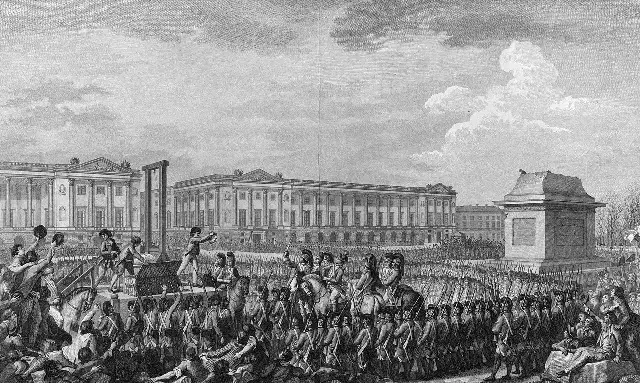
On January 21, 1793, Louis XVI was guillotined at the Place de la Révolution, ending a thousand years of unbroken French monarchy.