The Winter Battle That Killed a King-in-Waiting
On December 30, 1460, Richard, Duke of York, died at the Battle of Wakefield — a Lancastrian triumph that pushed England's Wars of the Roses toward their bloodiest chapter.
He should have stayed behind his walls. On December 30, 1460, Richard Plantagenet, Duke of York — the man Parliament had just named heir to the English throne — marched out of Sandal Castle to face an army perhaps three times the size of his own. He never came back.
The Wars of the Roses had been burning since 1455, pitting the houses of York and Lancaster against each other for the crown. That October, Richard had formally claimed the throne itself; the compromise Act of Accord made him King Henry VI's heir, disinheriting the king's young son. Queen Margaret of Anjou, fighting for her son's birthright, raised a great Lancastrian army in the north and marched it toward London.
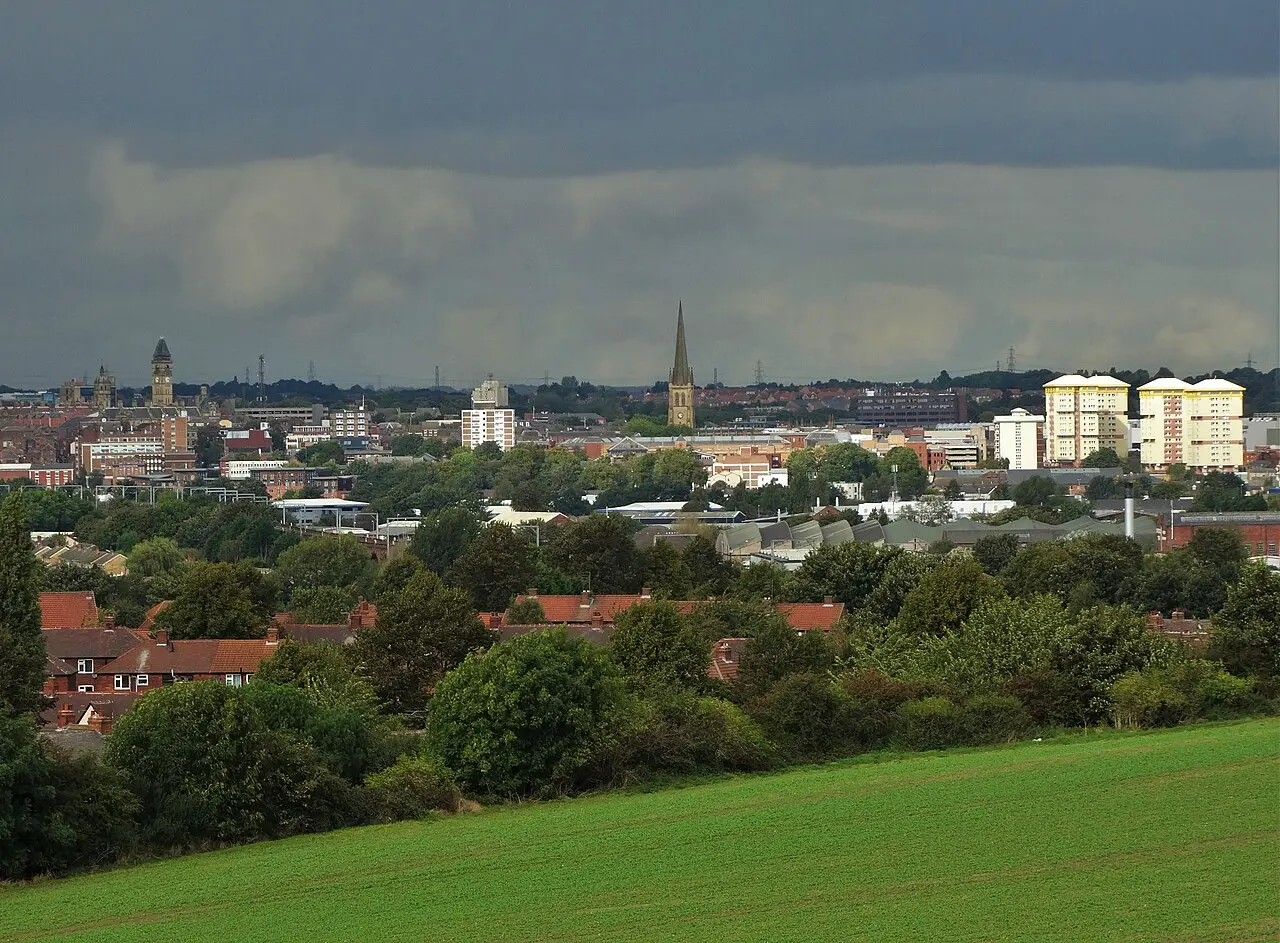
Richard, with perhaps 4,000 men, shut himself inside Sandal Castle near Wakefield in Yorkshire. On December 30 — for reasons historians still debate — he led his men out onto the open ground below the castle. Waiting for them were the Lancastrian commanders, the Duke of Somerset and the Earl of Northumberland, with perhaps 15,000 men.
It was a slaughter. Richard was killed in the fighting. His seventeen-year-old son Edmund, Earl of Rutland, was cut down as he fled the field. His ally the Earl of Salisbury was captured and beheaded the next day. According to legend, the victors set Richard's severed head on the walls of York, wearing a mocking paper crown.
But the Lancastrian triumph backfired spectacularly. Richard's eighteen-year-old son Edward took up his father's cause with furious energy, smashed the Lancastrians at the Battle of Towton a few months later — one of the bloodiest battles ever fought on English soil — and was crowned Edward IV.
Richard's road to Wakefield had been decades in the making. Through his mother, Anne Mortimer, he descended from Edward III's second surviving son — a better hereditary claim, by the strict rules of primogeniture, than the Lancastrian kings descended from the third son. He had governed England as Lord Protector during Henry VI's bouts of mental illness, and his patience finally snapped in 1460 when he claimed the throne outright. The Act of Accord gave him the succession — and ten weeks later, the field outside Sandal Castle gave him a grave.
Wakefield is the hinge of the Wars of the Roses: the day the Yorkist cause looked finished, and instead produced the king who would define the next two decades of English history. The white rose did not die in the snow outside Sandal Castle. It bloomed.
Photo: Wakefield seen from Sandal Castle by Neil Theasby, CC BY-SA 2.0 (via Wikimedia Commons).