The Day Balboa Claimed an Ocean
On September 25, 1513, Vasco Núñez de Balboa became the first European to see the Pacific from the Americas — then waded in and claimed it for Spain.
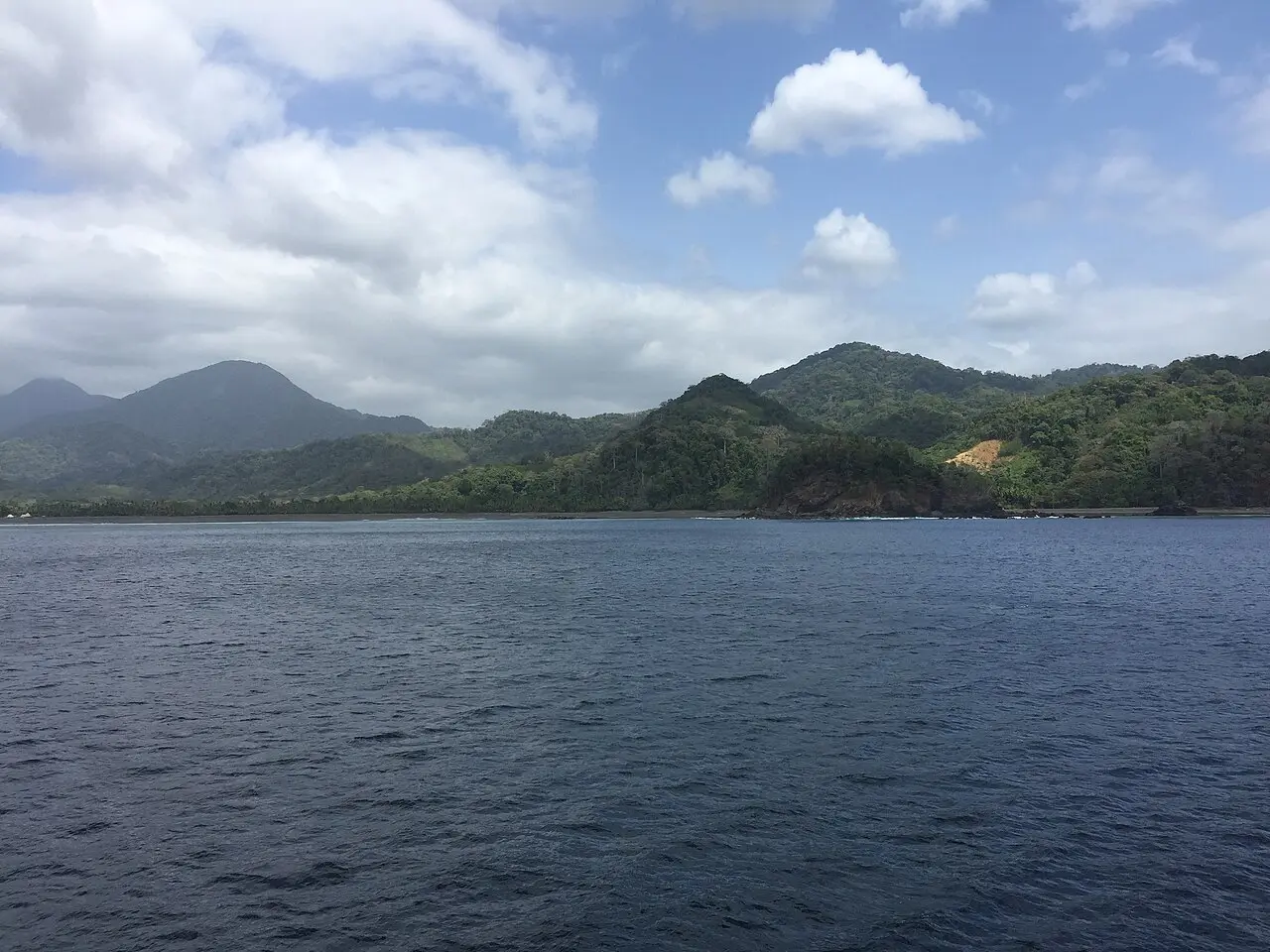
On September 25, 1513 — the traditional date, though some sources say the 27th — a Spanish conquistador climbed a hill in the jungle and saw an ocean no European knew existed.
Vasco Núñez de Balboa had been chasing this moment for weeks. On September 1 he had marched out of Santa María, the struggling Spanish settlement on the Caribbean side of the Isthmus of Panama, with 190 Spaniards and hundreds of Indigenous porters and guides — among the Spaniards a young soldier named Francisco Pizarro, who would one day conquer the Inca Empire himself. They hacked through rainforest, crossed rivers, and climbed into the mountains of the Darién, on word from local chiefs that another great sea lay beyond the ridge.
When his guides told him the summit was near, Balboa ordered his men to halt. He climbed the last stretch alone, so that he alone would be the first European to see it. Below him, stretching to the horizon, glittered the Pacific Ocean.
Four days later, on September 29, the expedition reached the shore at the Gulf of San Miguel. Balboa waded into the surf in full armor, sword in one hand and a banner of Castile in the other, and formally took possession of the sea and all its shores in the name of the Spanish crown. He called it the Mar del Sur — the South Sea.
The news electrified Spain. King Ferdinand named Balboa adelantado — governor — of the South Sea, and for a brief moment he was the most famous explorer in the Spanish world. But triumph curdled into politics. The king soon sent Pedro Arias de Ávila — Pedrarias — to govern the colony, and the two men became bitter rivals. Accused of treason, Balboa was arrested, given a hasty trial, and beheaded in January 1519. The man who found the Pacific died at forty-four, executed by his own countrymen.
It is worth remembering what "discovery" meant here. The Pacific was new only to Europeans. The Indigenous peoples of the isthmus had fished its waters and navigated its coasts for thousands of years; it was their guides who led Balboa to the ridge. What Balboa truly proved was geography — that the Americas were a separate landmass with another ocean beyond, and that a crossing might one day connect the two.
That crossing would take four centuries: the Panama Canal. And the ocean he named the South Sea became the Pacific — the largest single feature on the planet, covering nearly a third of Earth's surface. All of it set in motion, on a September day in 1513, by a man standing alone on a mountaintop, staring at water.
Photo: David Broad, CC BY 3.0, via Wikimedia Commons.