The Mountain That Humbled Him: Pike Spots His Peak
On November 15, 1806, explorer Zebulon Pike recorded his first sight of the towering 'Grand Peak' of the Rockies — then tried to climb it before dinner, and failed.
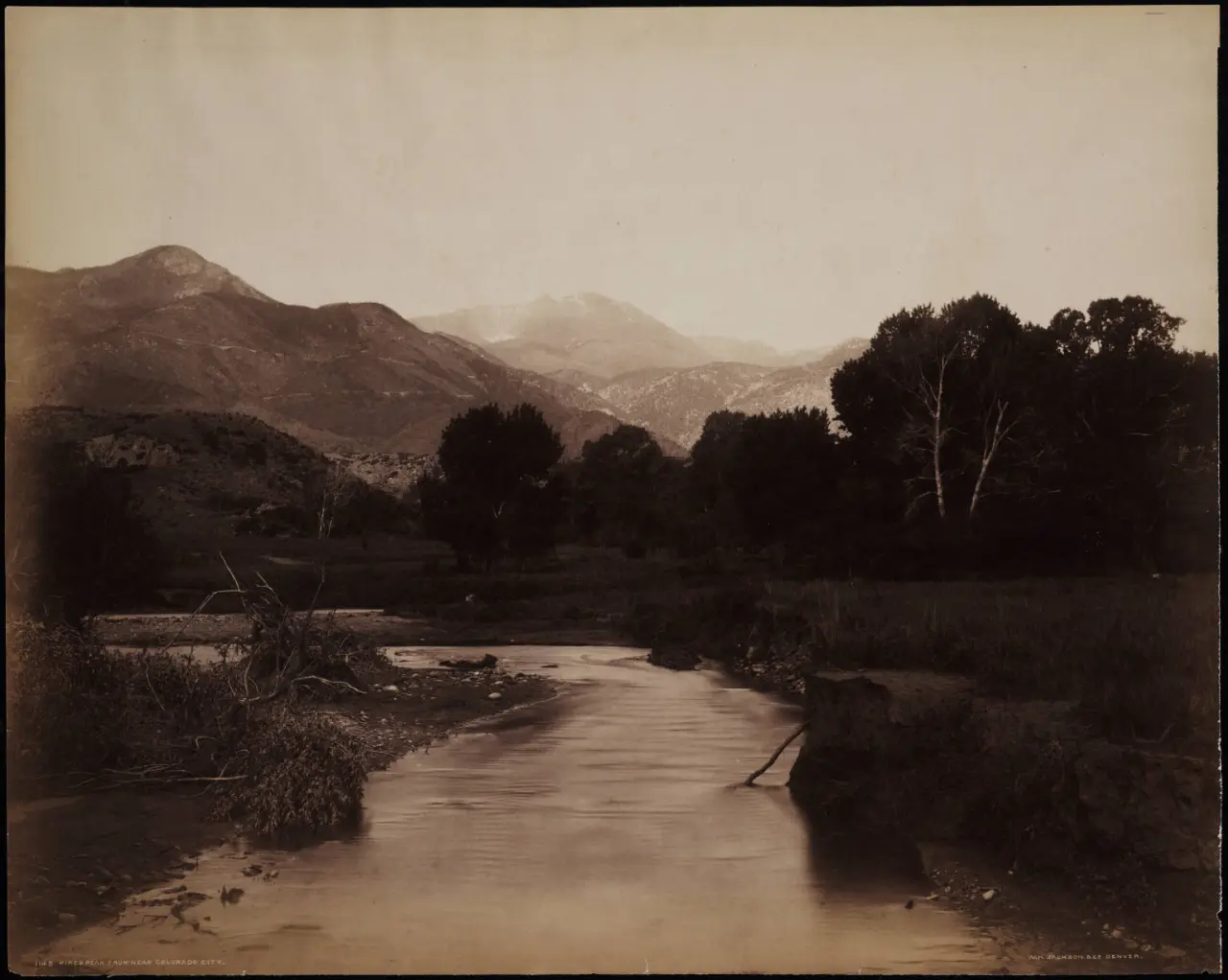
He had never seen mountains like these. On November 15, 1806, Lieutenant Zebulon Pike — leading an expedition across the newly purchased Louisiana Territory — recorded in his journal the first sighting of a distant, towering summit. He called it "Grand Peak." The world would come to call it Pikes Peak.
Pike had set out on July 15, 1806, under orders to explore the headwaters of the Arkansas and Red Rivers, map the Southwest, and establish friendly relations with Native American tribes. Crossing the high plains of what is now Colorado, he and his men suddenly found the Rockies rising in front of them — mountains on a scale no American east of the Mississippi had ever imagined.
Pike badly misjudged what he was seeing. He told his men the peak looked close enough that they could walk to it, climb it, and be back before dinner. They set out — and walked straight into a lesson in humility. The party struggled through snow and bitter cold, climbing for hours without seeming to get any closer, and finally took shelter in a cave for the night without even reaching the mountain's base. They managed to ascend only a lesser neighboring summit, likely Mount Rosa. Pike, who had hoped to climb the more than 14,000-foot summit for a surveyor's view of the country, later pronounced the peak impossible to scale.
The rest of the expedition was no easier. Lost and starving in the mountains through the winter, Pike and his men blundered across the Spanish border and were captured by Spanish soldiers in February 1807 — who, in effect, gave them a guided tour of the strategic region of Santa Fe before sending them home. Pike published an account of his travels in 1810 that won him fame, and the Army made him a brigadier general in the War of 1812. He was killed in April 1813, in an explosion during the American assault on Toronto.
He never climbed the mountain that bears his name. But Pike's journals left one more famous legacy: his bleak description of the plains. Crossing what is now Kansas, he wrote of vast tracts of wind-thrown sand "on which not a speck of vegetable matter existed," and predicted the region might become as celebrated as the sandy deserts of Africa. When Stephen Long mapped the area in 1820, he labeled it the "Great American Desert" — a name that discouraged settlement for a generation. But every year, hundreds of thousands of visitors do — by trail, by road, and by cog railway — up the "impossible" peak that a young lieutenant spotted on a November day in 1806 and confidently expected to conquer before dinner.
Photo: William Henry Jackson, public domain (via Wikimedia Commons).