The Ship That Sailed Around the World
On September 6, 1522, a rotting carrack called the Victoria limped into a Spanish harbor with 18 starving men aboard, completing the first voyage around the world.
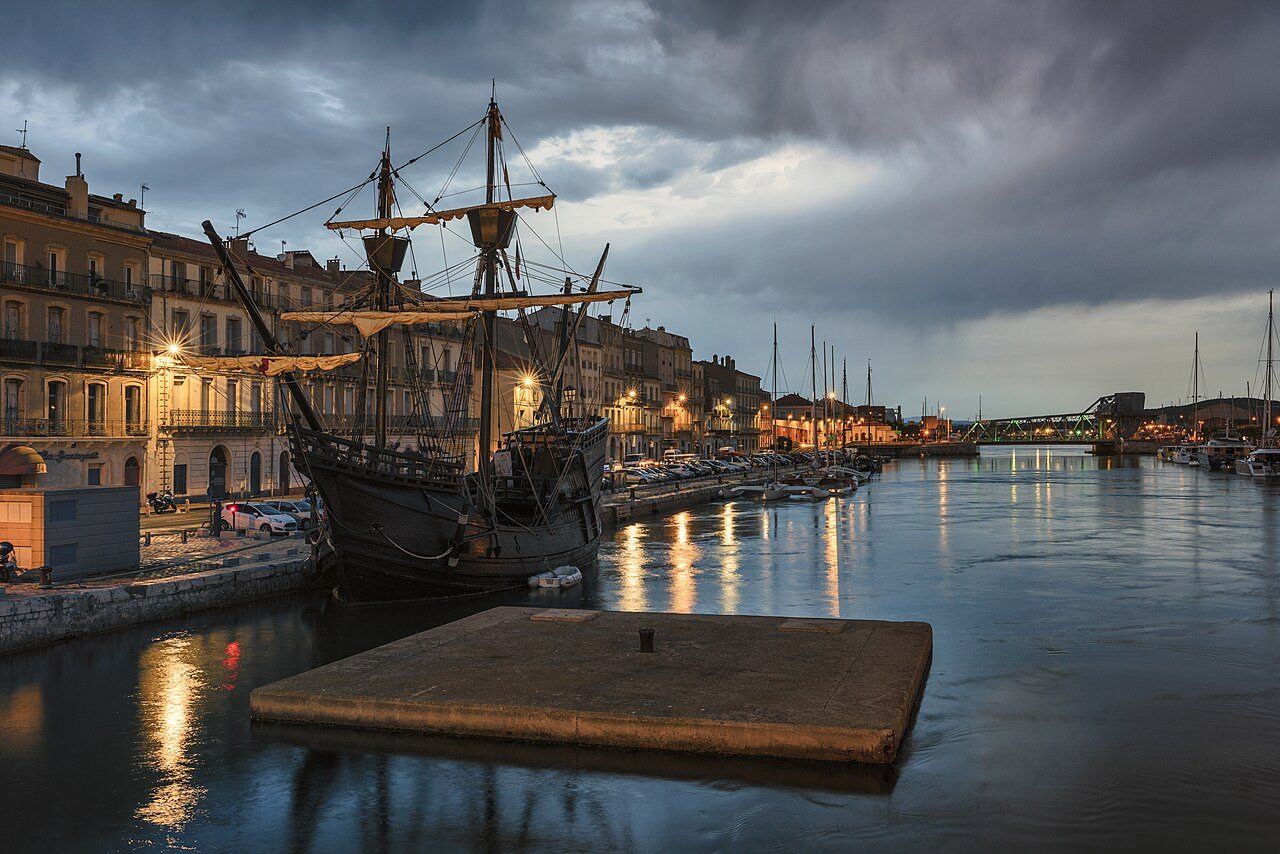
On September 6, 1522, a ship that should not have been afloat limped into the harbor at Sanlúcar de Barrameda in southern Spain. Her hull was rotten, her sails were rags, and her crew — eighteen gaunt, scurvy-ridden men — could barely stand. They had just done something no human beings had ever done: they had sailed all the way around the world.
The ship was the Victoria, and she had set out nearly three years earlier, on September 20, 1519, as one of five ships under the Portuguese captain Ferdinand Magellan. Spain's King Charles I had bankrolled the expedition to find a western sea route to the Spice Islands of present-day Indonesia, because Portugal controlled the eastern route around Africa. About 270 men sailed with the fleet, carrying supplies meant to last two years.
Almost nothing went as planned. One ship was wrecked in a storm off South America. Another deserted in the strait that now bears Magellan's name and sailed home. A third was scuttled in the Philippines. Magellan himself was killed in battle in the Philippines in April 1521, more than a year before the journey ended.
Command passed through several officers until it reached Juan Sebastián Elcano, a Basque seaman who had once joined a mutiny against Magellan. Elcano made the voyage's boldest gamble: rather than retrace the route back across the Pacific, he steered the frail Victoria straight across the uncharted Indian Ocean, around Africa's Cape of Good Hope, and up the Atlantic coast — through waters patrolled by the Portuguese, who wanted the expedition stopped. The Pacific crossing alone had taken 98 days, the first by any European expedition, and the men starved; the expedition's chronicler, the Venetian Antonio Pigafetta, recorded their suffering in a journal that survives to this day.
The Indian Ocean crossing was just as brutal. At the Cape Verde islands, the Portuguese seized several crewmen, and the rest fled for their lives. The survivors were so weak they could barely work the pumps keeping the rotting hull afloat.
Then came the strangest discovery of all. At Cape Verde, the crew learned that their carefully kept logbook was wrong: their calendar said July 9, but the islanders insisted it was July 10. Sailing west around the globe, they had lost an entire day without noticing — the first recorded encounter with what we now call the International Date Line.
On September 6, 1522, the Victoria anchored off Sanlúcar de Barrameda; two days later she sailed upriver to Seville. Of the roughly 270 men who had departed, only eighteen were aboard her. Her hold, though, was packed with cloves from the Spice Islands — a cargo so valuable it helped pay for the entire expedition.
The voyage proved, once and for all, that the world's oceans were connected and that the Earth could be circled by ship. Magellan got the glory and the strait named after him, but it was Elcano who brought the ship home, completing the first circumnavigation in history — some 60,000 kilometers of hunger, mutiny, scurvy, and storms.
Photo: Christian Ferrer, CC BY 4.0 (via Wikimedia Commons).