Land Ho: Columbus Reaches the Americas, October 12, 1492
At 2 a.m. on October 12, 1492, a lookout on the Pinta spotted land — the moment that launched centuries of European exploration and colonization of the Americas.
At about two o'clock on the morning of October 12, 1492, a sailor named Rodrigo de Triana, keeping watch aboard the Pinta, shouted the two words every crew member had been desperate to hear: land ahead. After nearly ten weeks at sea, Christopher Columbus's little fleet had reached the other side of the Atlantic.
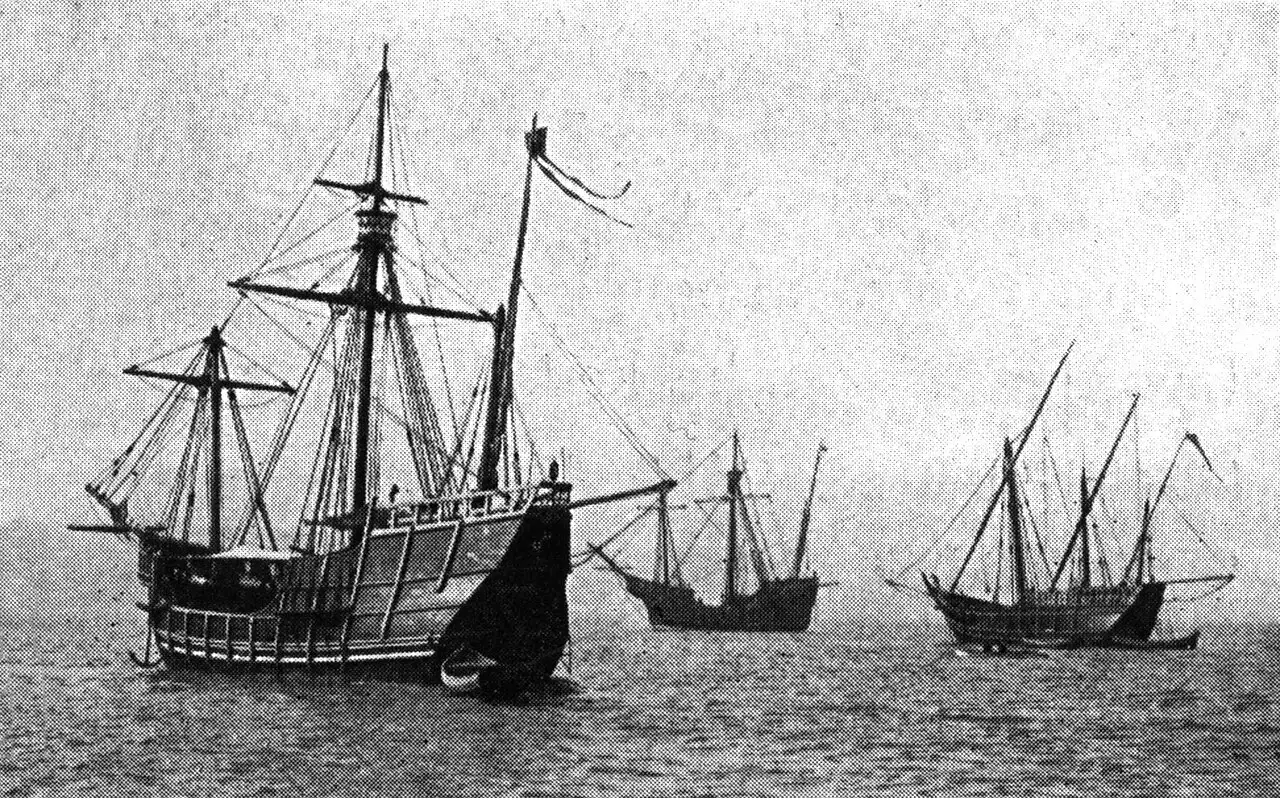
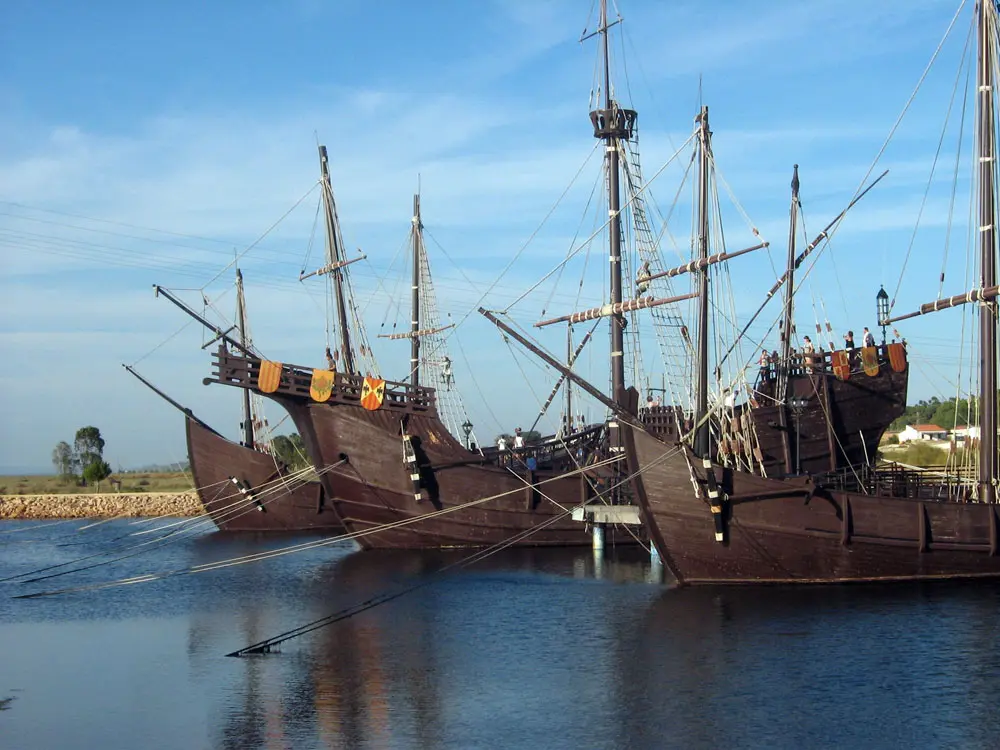
Columbus had set out from Palos, Spain, in early August with three ships — the Niña, the Pinta, and the Santa María — and some ninety crew, chasing a bold idea: sail west across the ocean to find a sea route to the riches of Asia. His voyage was sponsored by King Ferdinand and Queen Isabella of Spain, who were betting that a western passage could break the long, costly trade routes to China and India. As the weeks dragged on with no land in sight, the crews grew restless — and the captains had promised a reward to whoever sighted land first. De Triana made the confirmed sighting, though Columbus later maintained he had glimpsed a faint light hours earlier, sparking a long-running dispute over who deserved the prize.
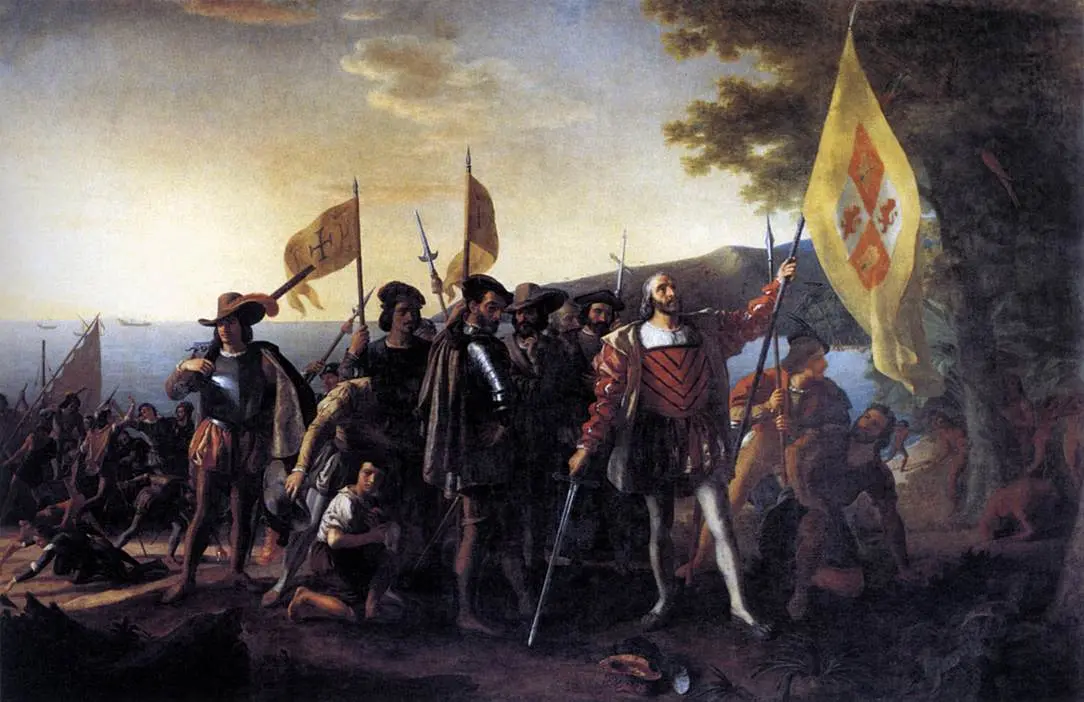
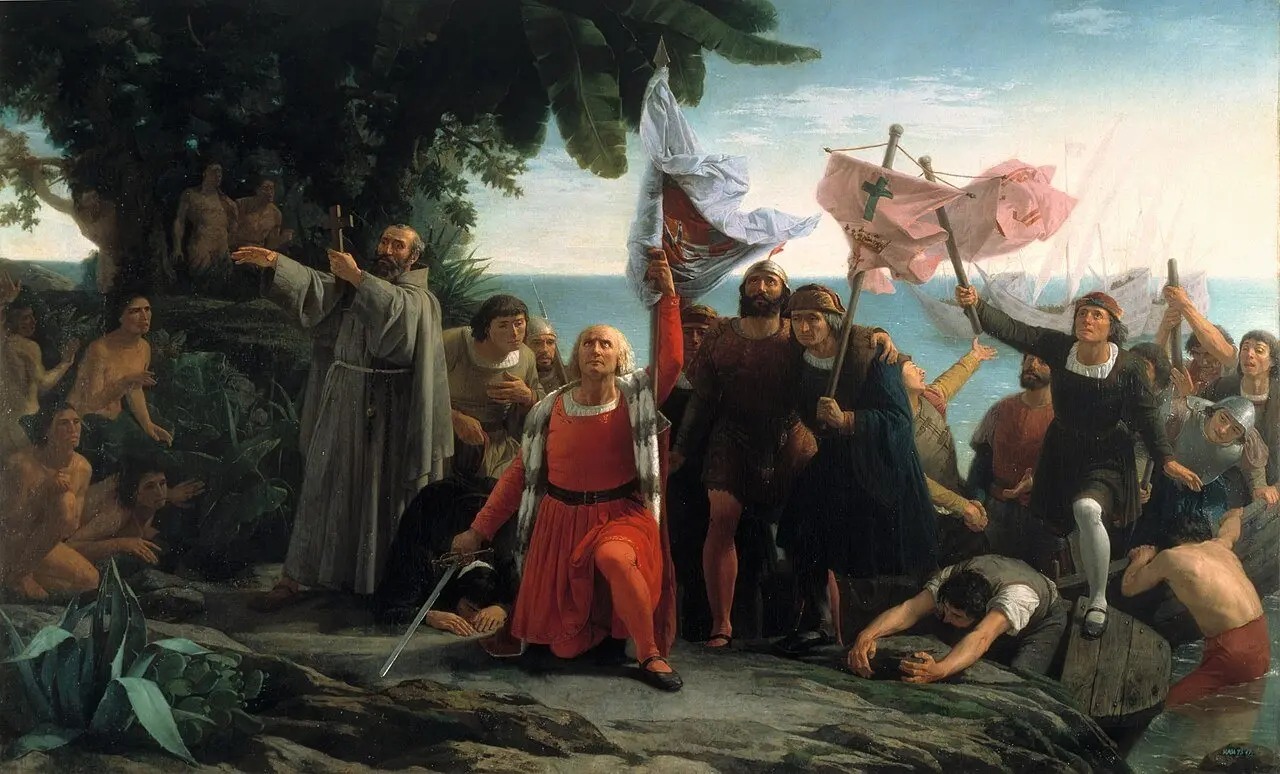
That morning the fleet anchored off an island in what are now the Bahamas. Its Indigenous people called it Guanahani; Columbus renamed it San Salvador, "Holy Savior," in thanks to God. The exact island is still debated — the traditional candidate is today's San Salvador Island — but the moment is not. Columbus wrote in his journal that he "leaped on shore, and ... took possession of the said island for the King and for the Queen," unfurling banners and proclaiming the land for Spain.
The people he met were Lucayan Taíno, whom Columbus described as "sweet and gentle." The first exchanges were curious and peaceful — food, cotton, and beads changing hands — but the encounter was unequal from the start. Columbus quickly assessed the islanders for conversion, labor, and gold, seized several as guides, and wrote of plans to subjugate the island. What began with handshakes hardened, over Columbus's four voyages and the decades that followed, into conquest.
Columbus spent five more months exploring the Caribbean, then sailed home to report to Ferdinand and Isabella. In 1493 his published letter describing the islands electrified Europe. Four hundred years later, President Benjamin Harrison proclaimed October 12 a day to honor the anniversary, and in 1937 Columbus Day became a federal holiday.
This date matters because October 12, 1492, redrew the map of the world. It launched the age of European exploration and colonization that reshaped both hemispheres — for good and for ill — and it is why the date is still argued over today, honored as Columbus Day in some places and observed as Indigenous Peoples' Day in others. The argument itself is the legacy: a reminder that history's turning points look very different depending on whose shore you were standing on.
Painting: Díoscoro Teófilo Puebla, "The Landing of Columbus" (1862), public domain (via Wikimedia Commons).
More images (via Wikimedia Commons): John Vanderlyn, "Landing of Columbus" (public domain); replicas of the Niña, Pinta and Santa María, 1893 (E. Benjamin Andrews, public domain); the caravel replicas at the Muelle de las Carabelas, Spain (Edward the Confessor, CC BY-SA 4.0).