
The 'Lost City' That Was Never Really Lost
On July 24, 1911, a local farmer led Yale lecturer Hiram Bingham up a steep Andean slope — and Machu Picchu, hidden from the Spanish for centuries, entered the modern world.
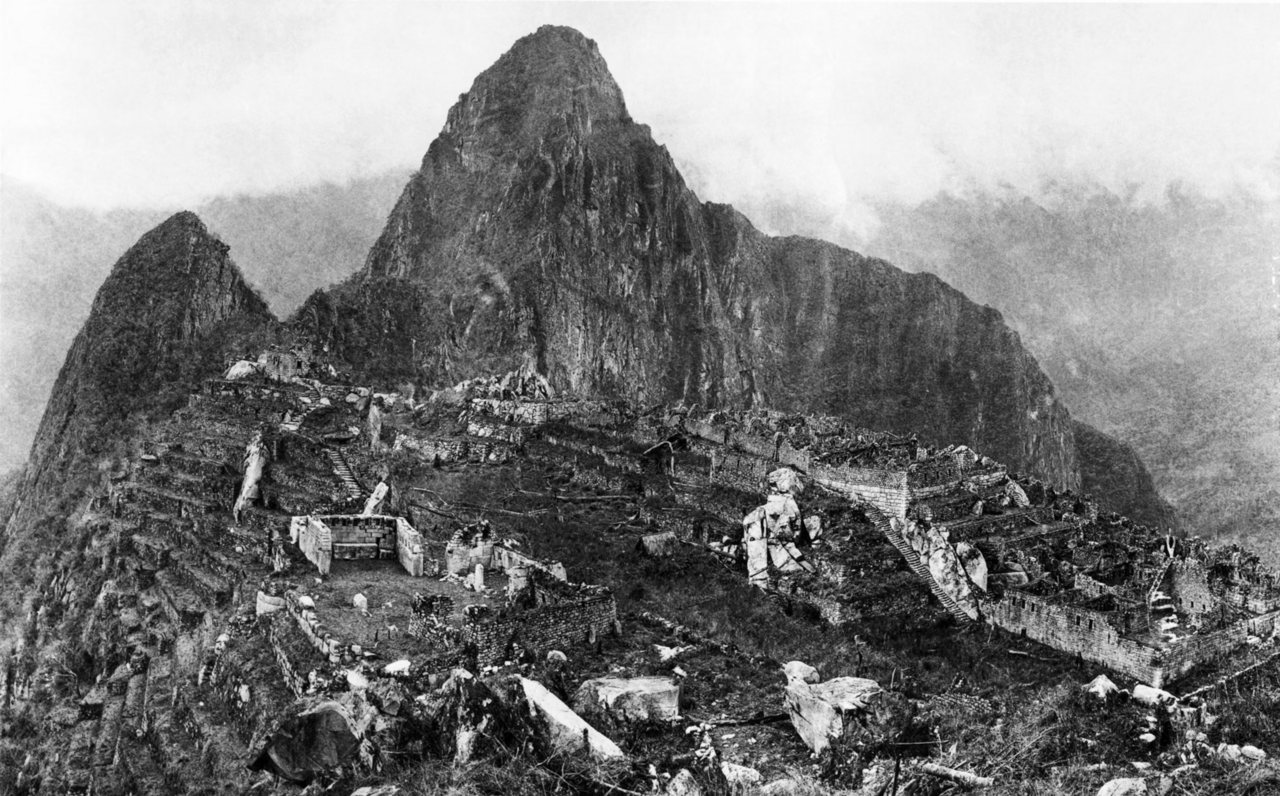
He had climbed looking for the wrong city — and found the most famous one. On July 24, 1911, Yale lecturer Hiram Bingham III scrambled up a steep slope from Peru's Urubamba River valley, guided by a local farmer named Melchor Arteaga. When he reached the top, he stared out at row upon row of ancient stone buildings draped in jungle: Machu Picchu.
Bingham hadn't come looking for it. His 1911 Yale Peruvian Expedition was hunting Vilcabamba, the last stronghold of the Inca Empire, which he believed had never been found. A local told him of ruins above the river, so up he went. What he found was magnificent — terraces, temples, and precision-cut stonework perched some 2,400 meters above sea level and 80 kilometers from the old Inca capital of Cusco, preserved because the Spanish had never found it. Bingham was convinced he had found the lost Inca capital. He was wrong about that — modern archaeology suggests Machu Picchu was a 15th-century royal estate of the Inca emperor Pachacuti — but he was right that he had found something extraordinary.
Here's the part often left out of the story: Machu Picchu was never really "lost." Local families knew the ruins, and other visitors may have reached them before Bingham. What Bingham did was introduce the site to the world — with extensive notes, hundreds of photographs, and artifacts he carried back to Yale. He returned to Peru in 1912, 1914, and 1915 with the support of Yale and the National Geographic Society.
That legacy came with a cost. Bingham's expeditions carried thousands of artifacts out of Peru, and after decades of increasingly bitter demands from the Peruvian government, Yale finally agreed in 2012 to return its Machu Picchu collection. Bingham's own 1948 book, Lost City of the Incas, became an international bestseller — and the loose inspiration for a 1954 Charlton Heston film, Secret of the Incas.
Today Machu Picchu is one of the most visited archaeological sites on Earth, a UNESCO World Heritage Site, and a symbol of a civilization the Spanish never fully conquered. It was never lost — but on July 24, 1911, the world finally found it.
Why it matters: Bingham's climb turned a forgotten mountaintop into a global icon and changed how the world saw the Inca Empire — while starting a century-long debate about who the past belongs to.
Photo: One of Hiram Bingham III's own early photographs of Machu Picchu, public domain (via Wikimedia Commons).