“Dr. Livingstone, I Presume?”
On November 10, 1871, journalist Henry Morton Stanley walked into a tiny African village and found the lost explorer the whole world had given up on.
The world had a question on its lips: Where is Livingstone? Dr. David Livingstone, the beloved Scottish explorer and missionary, had plunged back into the interior of Africa searching for the source of the Nile. Months stretched into years with almost no word. Rumors swirled that he was being held captive — or was dead. So James Gordon Bennett Jr., the publisher of the New York Herald, hatched one of the boldest stunts in newspaper history: he sent a reporter into the African wilderness to find him.
That reporter was Henry Morton Stanley, a Welsh-born adventurer turned American journalist who had already fought in the Civil War and covered wars in Europe. He sailed to Zanzibar in March 1871 and set off into the unknown with a caravan of porters, supplies, and an American flag. It was a brutal march: more than 700 miles through dense tropical forest and swamp, his horse dead within days from a tsetse-fly bite, porters deserting along the way, and tropical diseases thinning the ranks. Stanley pressed on anyway, following traders' rumors of a white man living near Lake Tanganyika.
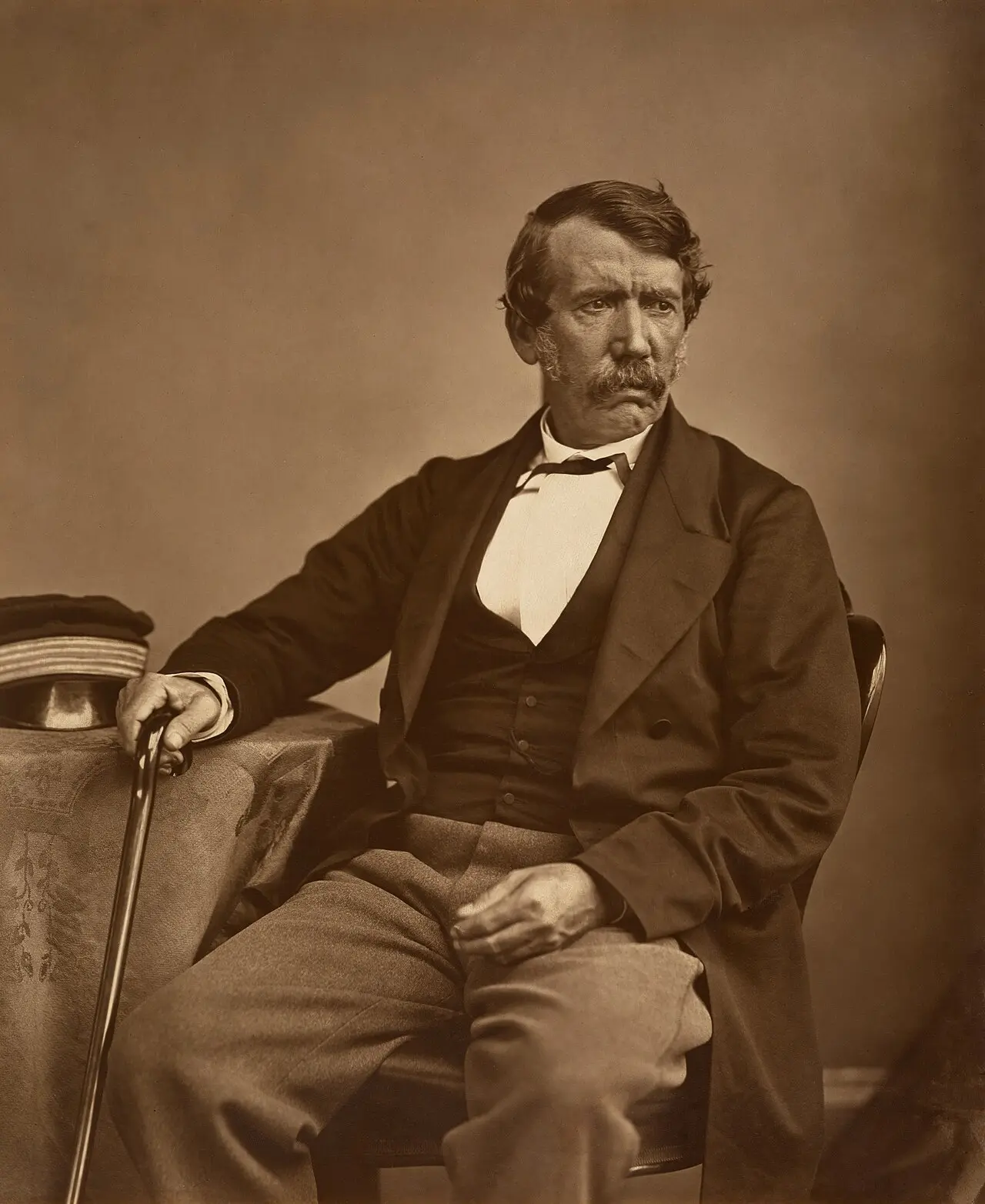
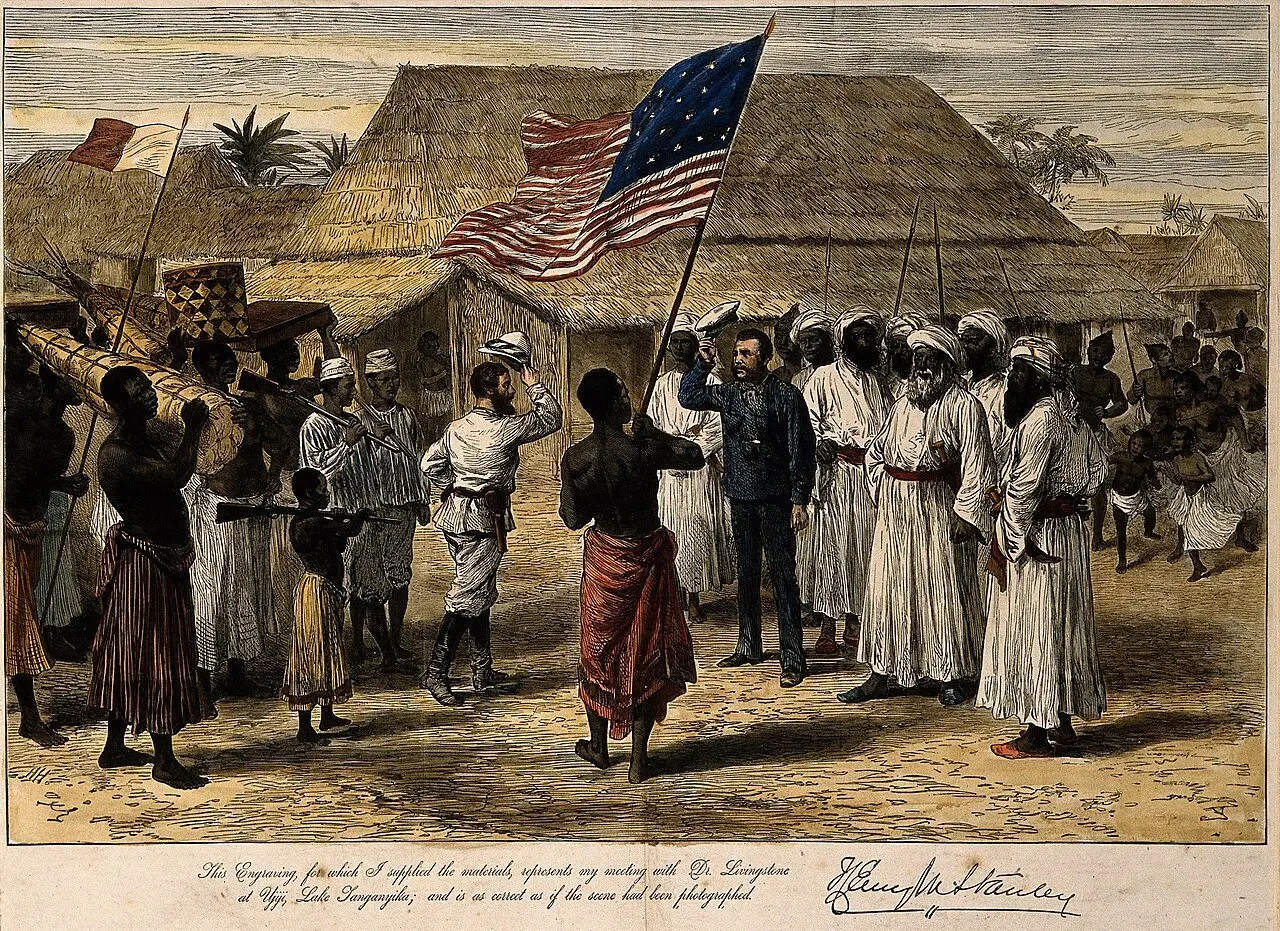
On November 10, 1871, Stanley dressed in his finest clothes, ordered the American colors raised, and marched into Ujiji, a small trading post on the lake's shore. A crowd gathered. Through it, he spotted a pale, sickly European with white hair and a bushy beard — Livingstone, wasting away in a hut, his supplies stolen, his body ravaged by malaria and dysentery. Stanley stepped forward, removed his helmet, and extended his hand with the greeting he would later claim made history: “Dr. Livingstone, I Presume?”
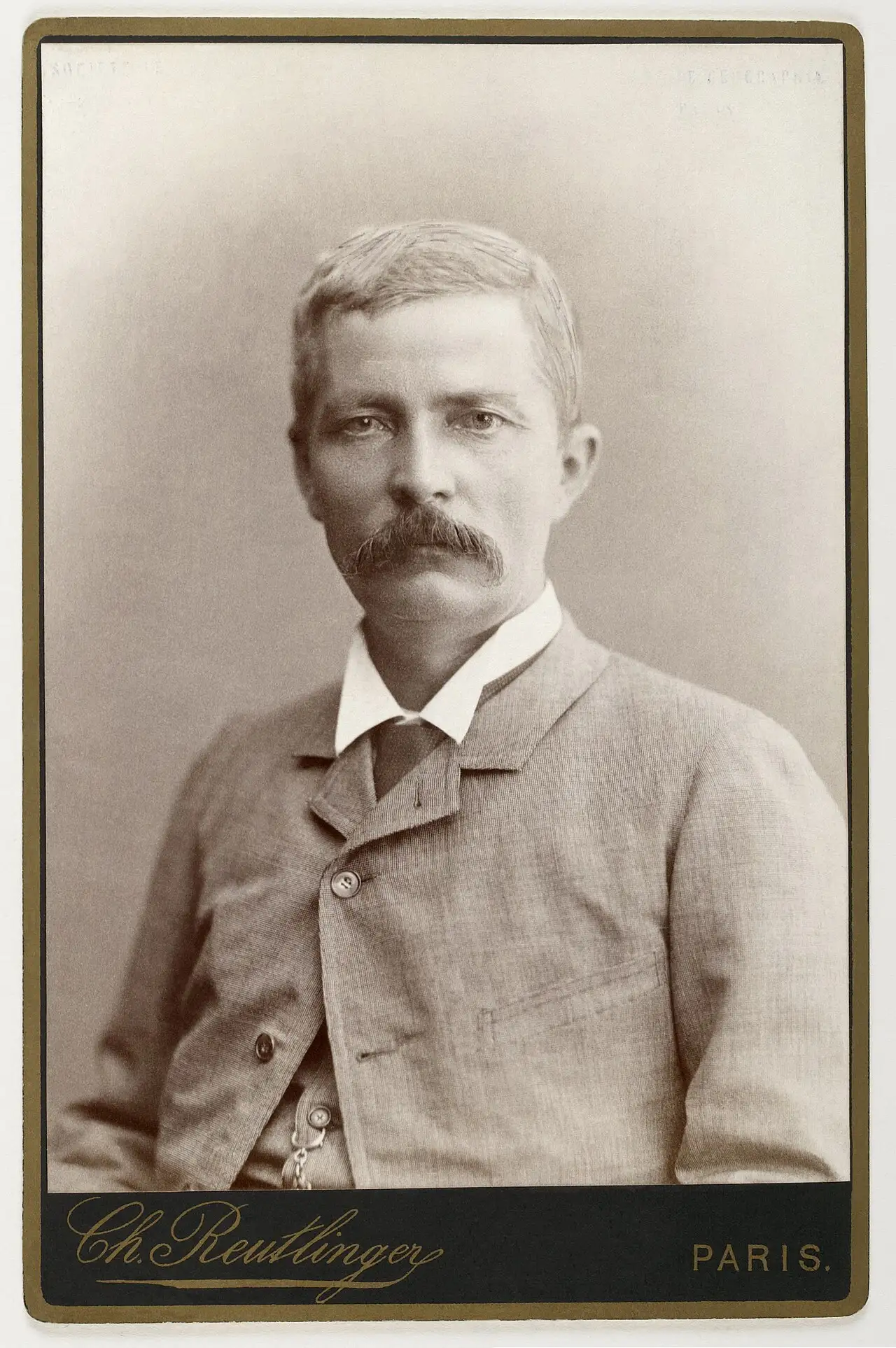
Historians now suspect Stanley may have polished that famous line after the fact — his own journal has two suspiciously torn pages from that very day, and neither man mentioned the phrase in their letters at the time. But the meeting itself was real, and it was electric. Livingstone's own servant reportedly cried out at the sight of the caravan: “An Englishman coming! I see him!” The two men stayed together for months, talking late into the night about geography, science, and faith, and exploring the northern end of Lake Tanganyika together before Livingstone resumed his search and Stanley carried the story home to a stunned world.
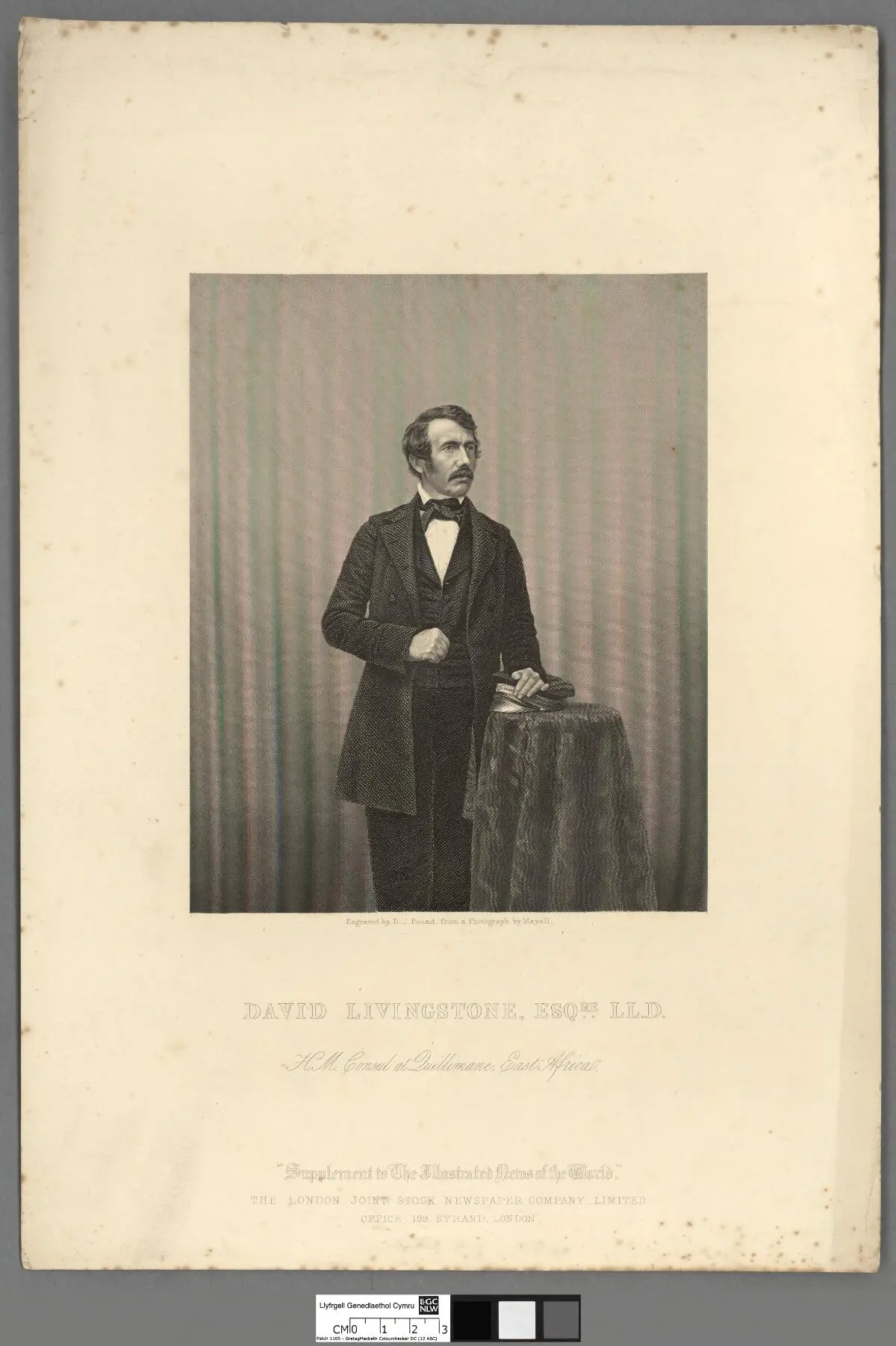
Livingstone declined to return to England and died in Africa in 1873, but the meeting at Ujiji made them both legends — one the rescuer, one the rescued — and turned the lost explorer into an enduring symbol of courage and determination.
Photo: H. Hall, after Henry Morton Stanley, ca. 1880; Wellcome Collection, CC BY 4.0 (via Wikimedia Commons).
More images (via Wikimedia Commons, public domain): David Livingstone (Thomas Annan); Henry Morton Stanley (Charles Reutlinger); a portrait of David Livingstone.