Sunny Days Arrive: Sesame Street Premieres
On November 10, 1969, Sesame Street premiered on American public television, bringing Jim Henson's Muppets and a groundbreaking educational curriculum to children's TV.
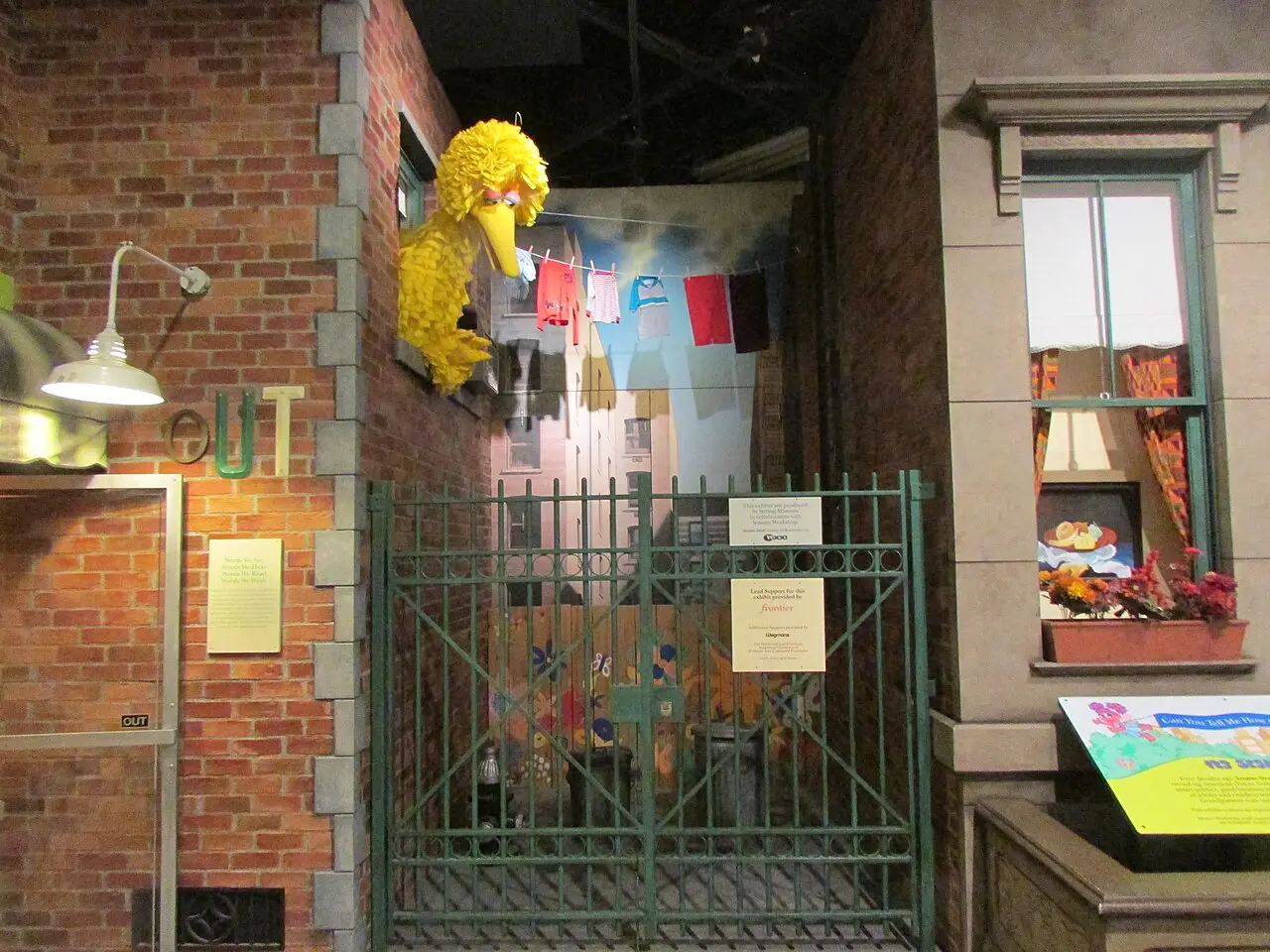
On November 10, 1969, American television got its most famous street address.
That morning, viewers on National Educational Television — the network that would become PBS — met Gordon and Susan, a big yellow bird named Big Bird, and a grouch who lived in a trash can. Sesame Street had arrived, and children's television would never be the same.
The show was the brainchild of television producer Joan Ganz Cooney and psychologist Lloyd Morrisett. Watching American children spend hours in front of the TV learning nothing, Cooney asked a radical question: what if the medium's addictive qualities were harnessed to teach? With backing from the Carnegie and Ford foundations, the Corporation for Public Broadcasting, and the federal government, they founded the Children's Television Workshop in 1968 and assembled an unprecedented team of educators, child psychologists, writers, and puppeteers.
Their secret weapon was Jim Henson. The puppeteer brought his Muppets — Big Bird, Oscar the Grouch, Bert, and Ernie — and gave the show its soul: warm, funny creatures who could make letters and numbers feel like play. Around them, a racially integrated cast of human neighbors lived on an inner-city street set, welcoming the audience home as part of the neighborhood. The fast-paced mix of live-action sketches, animation, short films, and Muppet segments was deliberately paced like commercial TV, built to match a child's attention span.
It was the first children's show built on an educational curriculum, and the first whose effects on young viewers were formally studied. The experiment worked: glowing reviews, high ratings, and — by 2018 — 189 Emmy Awards and 11 Grammys, more honors than any other children's program.
From a single street in New York, the show went global. By its 50th anniversary, more than 150 versions of Sesame Street were being produced in 70 languages, each adapted to its own culture, each still teaching children to count, read, and be kind.
All because, on a November morning in 1969, someone decided that television could be more than noise — it could be a teacher.
Cooney's team also pioneered what became known as the 'CTW model' — producers, writers, and researchers planning each season together, then testing segments with real children before they aired. The result was television that treated preschoolers as an audience worth studying and serving, and the first season's ratings proved that education could hold a child's attention.
Photo: עדירל, CC BY-SA 4.0 (via Wikimedia Commons).