The Third Time They Marched: Selma to Montgomery, March 21, 1965
On March 21, 1965, thousands set out from Selma to Montgomery under federal guard — the march that forced America to guarantee the vote.
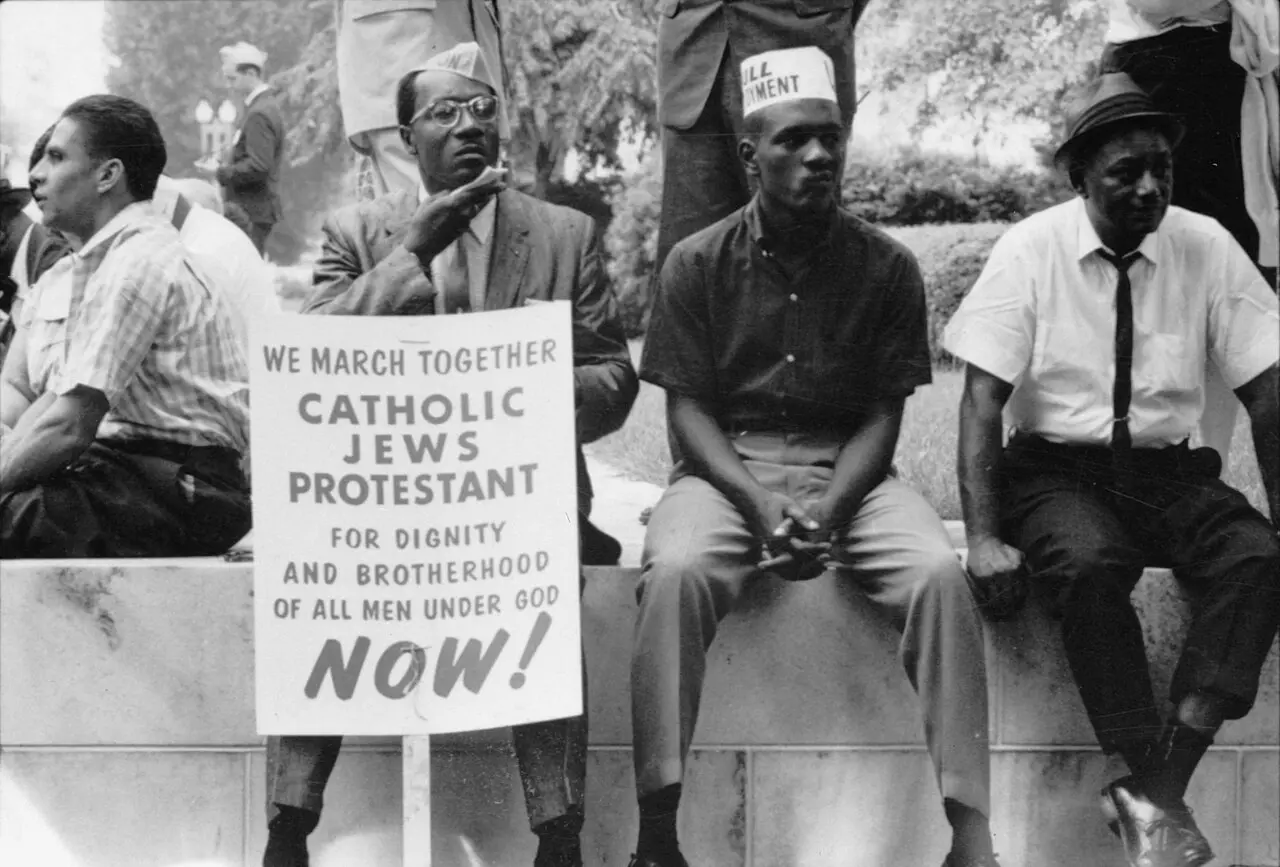
It took three tries. The first march ended in beatings on a bridge. The second ended in a prayerful turnaround. But on March 21, 1965, thousands of Americans stepped off from Selma, Alabama, shielded by federal troops — and this time, nothing was going to stop them from reaching Montgomery.
The goal was simple and radical: the right to vote. In Dallas County, Alabama, Black citizens were a majority of the population but a tiny fraction of registered voters, blocked by rigged literacy tests and intimidation. Dr. Martin Luther King Jr. and his Southern Christian Leadership Conference chose Selma to dramatize the injustice to the whole nation. The immediate spark was grief: civil rights worker Jimmie Lee Jackson had been shot by police that February, and the march was conceived as a protest against his killing and the denial of the ballot.
The first attempt, on March 7, became infamous as "Bloody Sunday." Some 600 marchers, led by Hosea Williams and a young John Lewis, crossed the Edmund Pettus Bridge and were met by Alabama state troopers and sheriff's possemen with nightsticks, tear gas, and whips. Dozens were injured; seventeen went to the hospital. The images, broadcast on national television, horrified the country.
Two days later King led a second march to the bridge — then, faced again with troopers, turned the marchers around in prayer rather than risk another bloodbath. That night, a white minister from Boston who had come to support the cause, James Reeb, was beaten by segregationists and died of his injuries. The movement took its case to federal court, and a judge issued an order protecting the marchers' right to protest without police interference.
So on March 21, with that court order in hand and thousands of U.S. Army soldiers, federalized Alabama National Guardsmen, federal marshals, and FBI agents lining U.S. Highway 80, the third march began. Some 8,000 people set out from Selma; where the highway narrowed to two lanes, a court limit held the column to 300 at a time, but the march pressed on — camping in fields at night, walking mile after mile through jeering crowds and driving rain.
Five days later they reached Montgomery — and this time they were not hundreds but more than 25,000 strong, streaming into the capital for the final leg. On the steps of the Alabama State Capitol, a few hundred feet from the Dexter Avenue church where King had begun his ministry in 1954, he delivered his "How Long, Not Long" address to the crowd and the television cameras.
Within five months, President Lyndon Johnson signed the Voting Rights Act of 1965, outlawing the tricks and tests that had kept Black Americans from the polls. The marchers didn't just walk 54 miles — they walked the country into a new era of democracy. John Lewis, whose skull was fractured on Bloody Sunday, would carry the lesson all the way to Congress. When the ballot feels ordinary, remember the price that was paid on Highway 80.
Photo: Peter Pettus, via the Library of Congress, public domain, via Wikimedia Commons.