The Night Dylan Plugged In
On July 25, 1965, Bob Dylan strapped on an electric guitar at the Newport Folk Festival and split the music world in two.
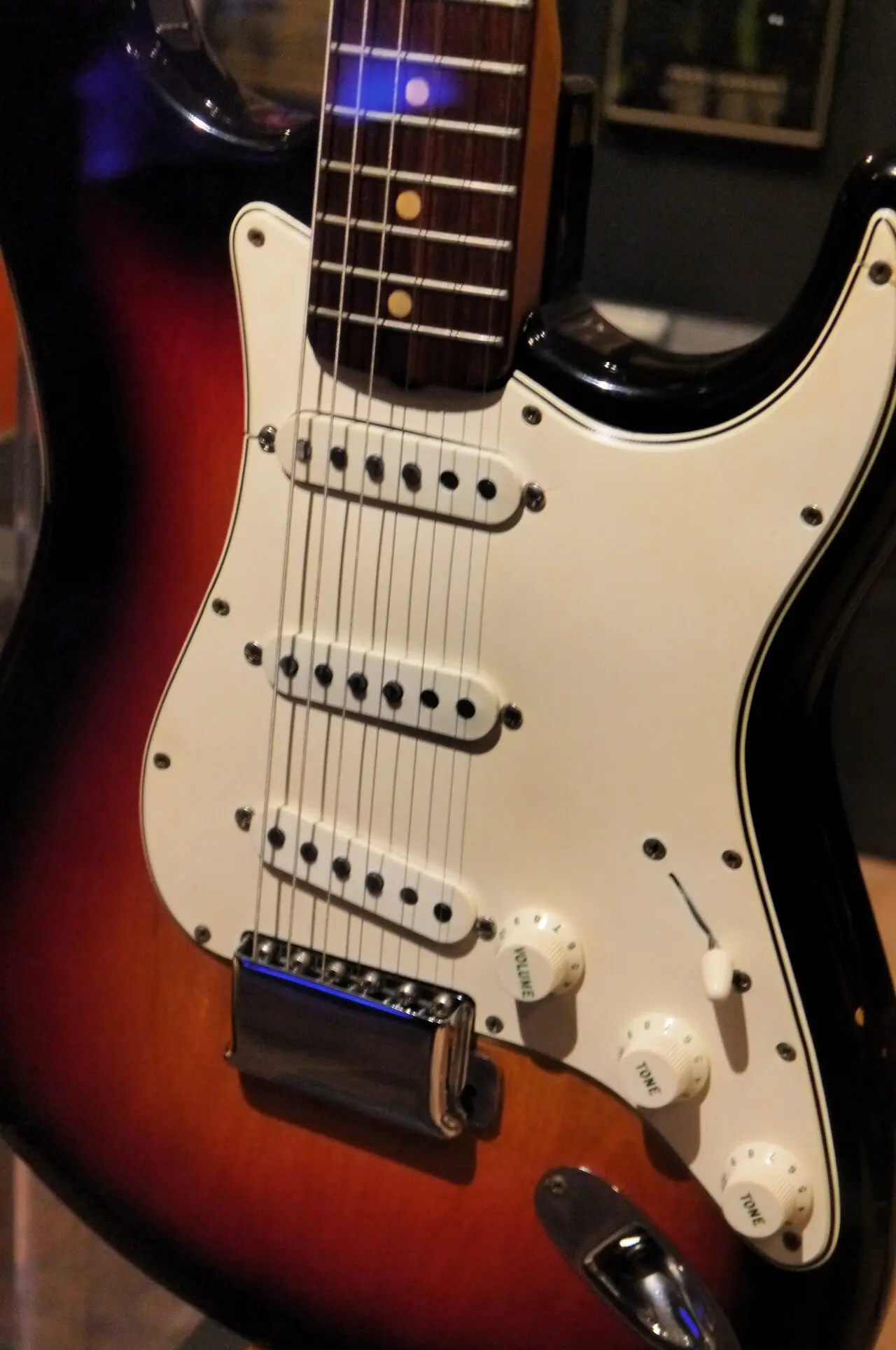
Late in the evening on July 25, 1965, Bob Dylan walked onto a darkened stage at the Newport Folk Festival in Rhode Island wearing black jeans, black boots, and a black leather jacket. Around his neck hung a 1964 sunburst Fender Stratocaster. And when he plugged it in, he set fire to the world of popular music.
Dylan was the crown prince of the folk revival. The crowd — nearly 100,000 purists, by one account — had come for banjos, ballads, and protest songs. To them, rock 'n' roll was commercial trash, and Dylan was theirs. He had already hinted at a change: his March album Bringing It All Back Home had one electric side. But nobody was ready for what came next.
Backed by an impromptu band of bluesmen — Mike Bloomfield on lead guitar, Al Kooper on organ, Jerome Arnold on bass, Sam Lay on drums, Barry Goldberg on piano — Dylan ripped into "Maggie's Farm." Sound engineer Joe Boyd later said that by modern standards the volume wasn't high, but "in 1965 it was probably the loudest thing anyone in the audience had ever heard."
The crowd erupted — half cheering, half booing. He played "Like a Rolling Stone," which had been released just five days earlier, and "Phantom Engineer," an early version of "It Takes a Lot to Laugh, It Takes a Train to Cry." Then, after three songs, he left the stage. Some said the boos were really about the short set. But to the folk faithful, it was heresy.
Dylan returned, shaken, with an acoustic guitar, and played "Mr. Tambourine Man" and "It's All Over Now, Baby Blue" — a quiet apology, or maybe a farewell. He wouldn't play Newport again for 37 years.
But the damage was done. Dylan had fused folk's poetry with rock's electricity, and folk-rock was born. The Byrds, and a generation of bands behind them, followed the path he cut that night.
That Stratocaster? Dylan lost track of it for decades until it resurfaced in 2012; sold at auction in 2013 for $965,000, it was then the most expensive guitar ever sold. It now sits in a museum — the instrument that, in three loud songs, told every musician who followed: play what's true, even if the crowd boos.
Photo: Bob Dylan's 1964 sunburst Fender Stratocaster — the guitar he played at Newport on July 25, 1965 — photographed at a 2019 Metropolitan Museum exhibit. Credit: Eden, Janine and Jim, CC BY 2.0, via Wikimedia Commons.