The Miracle Mets Shock the World
On October 16, 1969, the New York Mets — losers for seven straight years — beat the mighty Baltimore Orioles 5-3 to win the World Series.
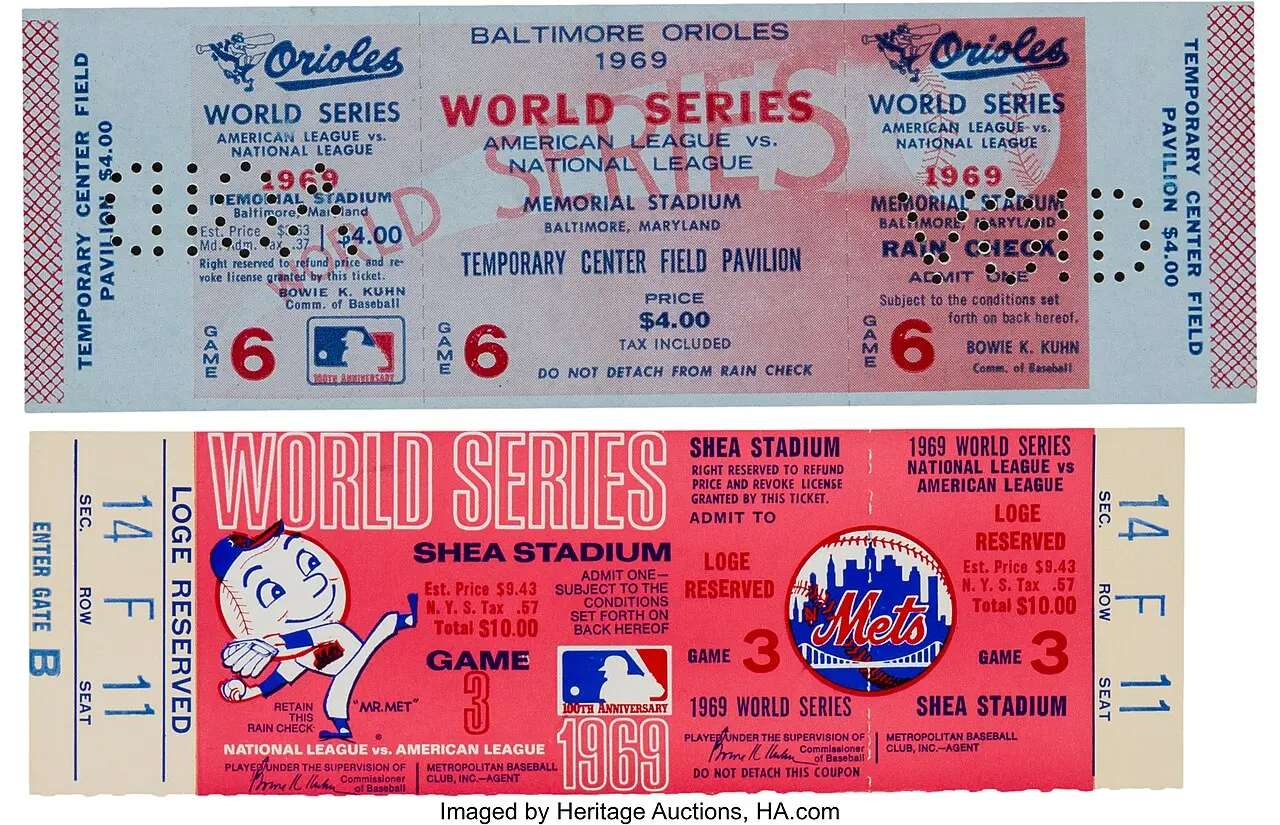
By the third inning, it looked like the dream was dying. The Baltimore Orioles — the best team in baseball, winners of 109 games — had just gone ahead 3-0 on home runs by Frank Robinson and, of all people, their own pitcher, Dave McNally. In the stands at Shea Stadium, 57,397 New Yorkers felt the old familiar dread. Their Mets were supposed to lose. Their Mets always lost.
Then the Miracle Mets did what they had done all season: the impossible.
To understand what happened on October 16, 1969, you have to understand how hopeless the Mets had been. Born as an expansion team in 1962, they had never finished a season above .500 — not once in seven years. They lost 120 games in their first season, a modern record for futility. Their fans loved them the way you love a stray dog: fiercely, and without expectation.
The 1969 season started no differently. By late May the Mets were 18-23, buried in third place. Then, under the calm leadership of manager Gil Hodges, something clicked. The pitching — young Tom Seaver, Jerry Koosman, Gary Gentry, and a wild fireballer named Nolan Ryan — became the best in baseball. The Mets roared past the Chicago Cubs, finished 100-62, swept the Atlanta Braves in the first-ever National League Championship Series, and reached the World Series.
Waiting for them were the Orioles: Frank Robinson, Brooks Robinson, Boog Powell, three 20-game winners. The oddsmakers barely gave the Mets a chance. Baltimore took Game 1 easily. Then the Mets stole Game 2 in Baltimore, and took both games at Shea to lead the series three games to one.
Which brought 57,397 fans to Shea Stadium on a Thursday afternoon, October 16, for Game 5 — and an early 3-0 hole that felt like destiny reasserting itself.
But this team didn't do destiny. In the sixth inning, first baseman Donn Clendenon — a midseason pickup from Montreal — crushed a two-run homer to make it 3-2. In the seventh, light-hitting second baseman Al Weis, who had hit all of seven home runs in the entire regular season, tied the game with a solo shot. Shea Stadium shook.
The eighth inning broke Baltimore for good. With two on, Ron Swoboda — the same Swoboda whose diving catch had saved Game 4 — doubled home the go-ahead run. An error let another run score. It was 5-3, and Jerry Koosman, who had pitched the whole game, just needed three more outs.
The ninth was a blur of noise. When Baltimore's Davey Johnson lifted a fly ball to left field and Cleon Jones settled under it, time seemed to stop — and then the catch, the roar, the explosion of joy. Fans poured onto the field, tearing up chunks of turf as souvenirs. The New York Mets, the lovable losers, were champions of the world.
Clendenon, whose bat had carried them, was named Series MVP. And the city celebrated a delicious symmetry: earlier that same year, the New York Jets had stunned the heavily favored Baltimore Colts in the Super Bowl. Twice in one year, New York underdogs had toppled Baltimore giants.
The 1969 Mets remain the gold standard for sports miracles — the first expansion team ever to win a division, a pennant, and a World Series, in just their eighth season. Every October, when some hopeless team starts believing, the ghost of that afternoon at Shea is in the dugout with them, whispering the lesson of the Miracle Mets: you're never as beaten as the scoreboard says.
Photo: Major League Baseball, public domain (via Wikimedia Commons) — tickets from the 1969 World Series, the "Miracle Mets" championship series.