The Little Record That Launched the Beatles
On October 5, 1962, the Beatles released their debut single Love Me Do on Parlophone — it only reached number 17 in Britain, but it was the first faint chime of a revolution.
On Friday, October 5, 1962, record shops across Britain received a new 45 rpm single on EMI's Parlophone label: "Love Me Do," backed with "P.S. I Love You," by a little-known Liverpool band called the Beatles. It was a modest record — simple harmonica, two-part harmonies, three chords — and it climbed to a respectable but unremarkable No. 17 on the British charts. Nobody hearing it that autumn could have known they were listening to the first note of the most consequential career in popular music.
The Beatles were hardly newcomers. John Lennon, Paul McCartney, and George Harrison had been playing together for years, grinding through clubs in Liverpool and Hamburg, Germany. What they lacked was a record contract — and, crucially, original songs. Most new acts debuted with covers; the Beatles arrived with their own composition, credited to Lennon–McCartney, one of the earliest songs the pair had written together, dating back to their teenage years.
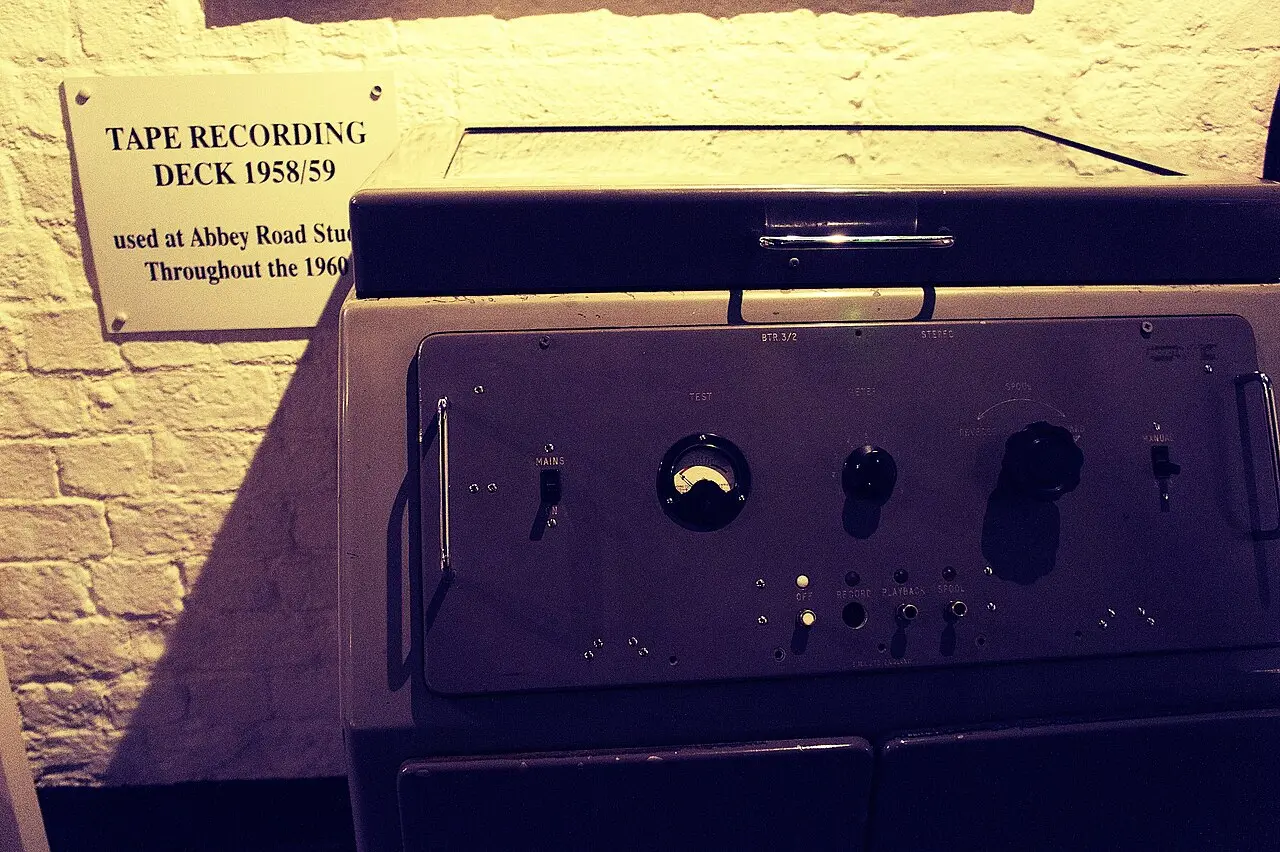
Getting it onto tape had been its own drama. Producer George Martin — the classically trained EMI man who would become known as "the fifth Beatle" — wasn't satisfied with the drumming of Pete Best, the band's drummer at their June audition, and the group soon replaced Best with Ringo Starr. At EMI's Abbey Road Studios on September 4, 1962, they cut "Love Me Do" with Ringo on drums; a week later, Martin brought in session drummer Andy White and demoted Ringo to tambourine. The first pressings of the single carried the Ringo version; the White version appeared on later releases. Even that small detail became legend among collectors.
The day after release, the band held its first official record-signing session, at Dawson's Music Shop in the town of Widnes. They were still four young men in suits, unknown outside Merseyside, hawking a single that most of the country would never hear. But something in the record connected: Lennon's bluesy harmonica, the plainspoken harmonies, the sense of four friends making a joyful noise together. Within months, "Please Please Me" would follow, and by the end of 1963 Britain was in the grip of Beatlemania. In the spring of 1964, "Love Me Do" — released in America — reached No. 1 on the U.S. charts.
Music historians have called the single the first faint chime of a revolutionary bell. It proved that a band could write, sing, and play its own material and reach a mass audience — a radical idea in an era of professional songwriters and polished session players. Everything the Beatles became — the studio experiments, the cultural earthquake, the best-selling band in history — started with just over two minutes of harmonica and harmony.
Every revolution has a quiet beginning. Before the stadiums, the films, the breakup, and the half-century of legend, there was a Friday in October and a 7-inch record that peaked at No. 17. The Beatles' story is often told as an explosion; it started as a spark, in a Liverpool accent, asking the simplest question in pop: love me do.
Photo: EMI BTR3 tape recording deck used at Abbey Road Studios in the 1960s, photographed at The Beatles Story museum; Richardjo53, CC BY-SA 2.0, via Wikimedia Commons.