The Speech That Ended Apartheid
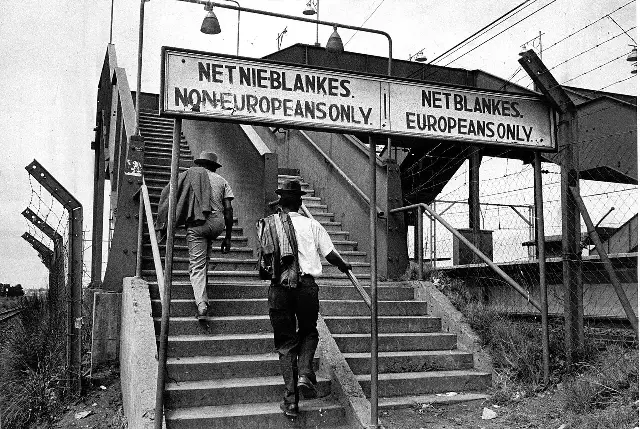
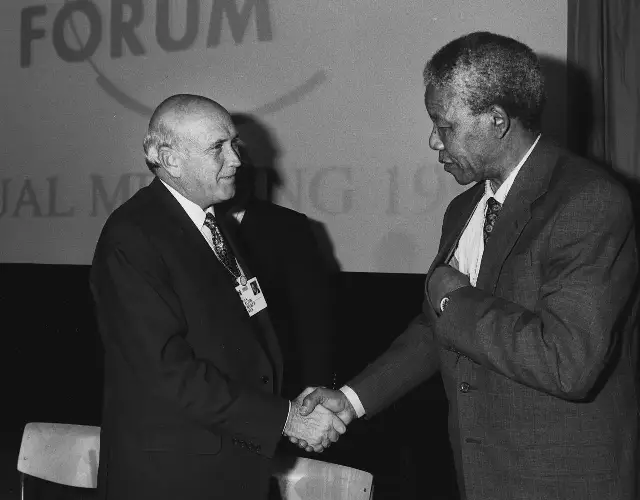
On February 2, 1990, South African president F. W. de Klerk stunned parliament by unbanning the ANC and announcing Nelson Mandela's release, starting the end of apartheid.


On February 2, 1990, South African president F. W. de Klerk stunned parliament by unbanning the ANC and announcing Nelson Mandela's release, starting the end of apartheid.
On November 6, 1962, the UN General Assembly passed Resolution 1761, condemning South Africa's apartheid policies and urging a worldwide economic and military boycott.
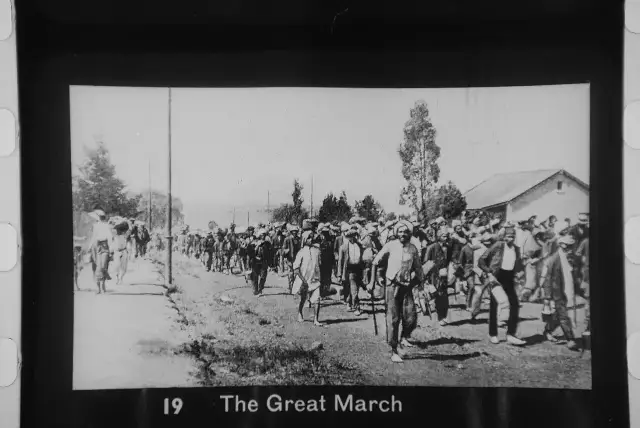
On November 6, 1913, Mahatma Gandhi led more than 2,000 Indian miners, women, and children on a protest march into the Transvaal — and was arrested for crossing without permits.
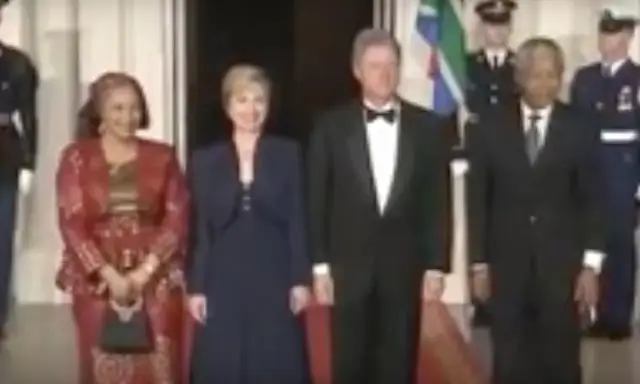
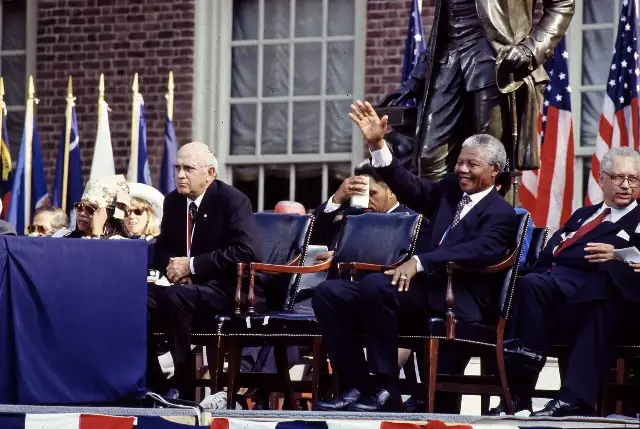
On May 10, 1994, Nelson Mandela was sworn in as South Africa's first Black president before dignitaries from more than 140 countries, ending apartheid's political order.
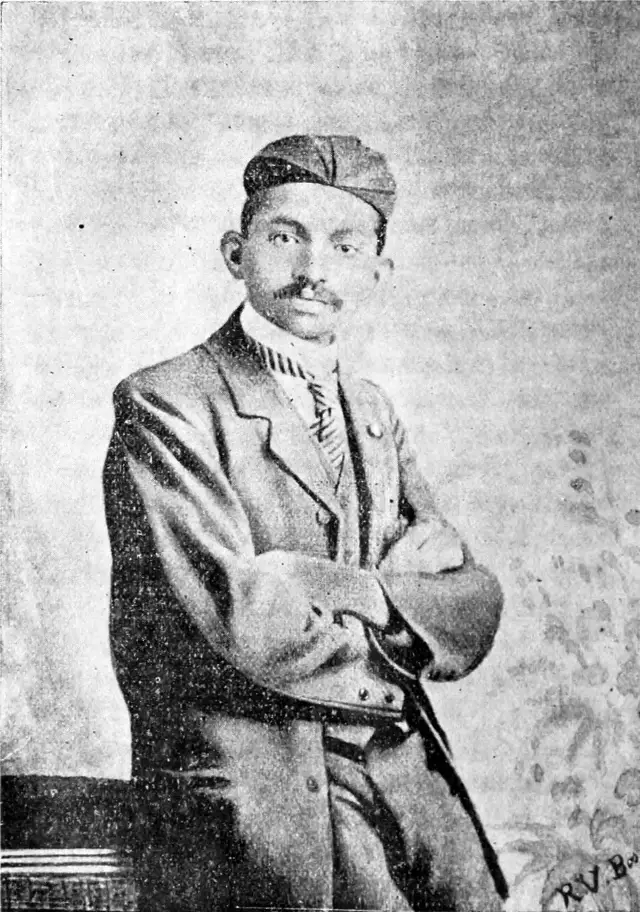
On June 7, 1893, a 24-year-old lawyer named Mohandas Gandhi was thrown off a train for refusing to leave a whites-only compartment — a humiliation that set him on the path to changing history.
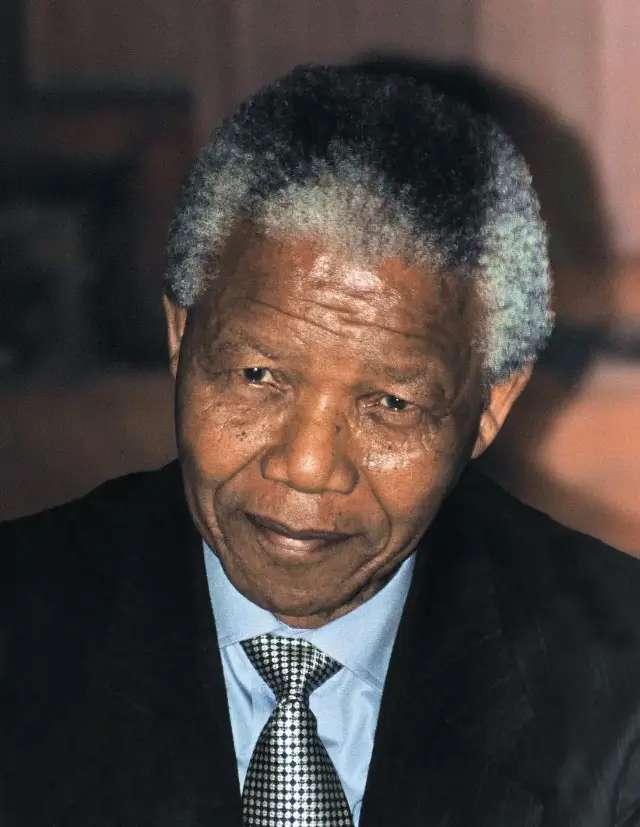
On February 11, 1990, Nelson Mandela walked out of prison after 27 years, fist raised, and set South Africa on the road to democracy.
On April 27, 1994, millions of Black South Africans voted for the first time in the election that ended apartheid.