The Night Television Chose Heidi Over Football
On November 17, 1968, NBC cut away from a Jets–Raiders thriller to air the children's movie Heidi — and viewers missed one of football's wildest finishes.
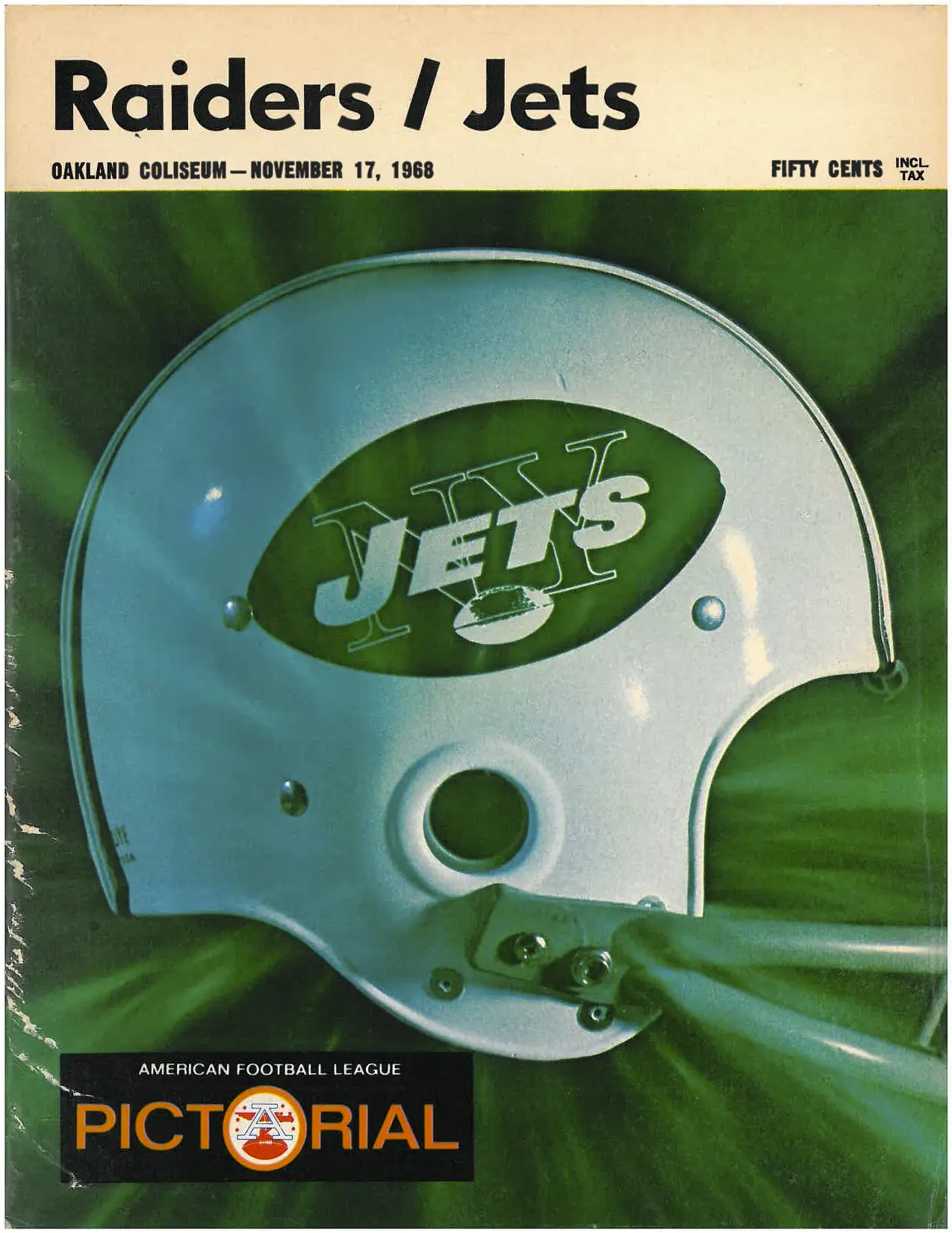
It was the game of the year, and most of America never saw the ending. On November 17, 1968, the Oakland Raiders and New York Jets — the two best teams in the American Football League — traded the lead eight times before a classic turned into a broadcasting fiasco.
The game at the Oakland-Alameda County Coliseum had everything: 10 future Hall of Fame players, a storm of penalties and timeouts, and a finish for the ages. With 65 seconds left, the Jets' Jim Turner kicked a field goal for a 32–29 lead. NBC went to commercial — and on the other side of the break came a young Swiss girl yodeling in an alpine pasture.
NBC had cut away to the children's movie "Heidi," scheduled to begin at 7:00 p.m. Eastern. Network executives had decided the game would run to completion, but the message never reached the control room. Outraged viewers flooded NBC's switchboard — so many calls that all 26 phone lines fused. Fans who couldn't get through started calling the New York police, tying up emergency lines.
What they missed was remarkable. Raiders quarterback Daryle Lamonica hit Charlie Smith for a 43-yard touchdown with 42 seconds left, giving Oakland a 36–32 lead. On the kickoff, the Jets fumbled, and Oakland's Preston Ridlehuber scooped up the ball and walked into the end zone. Two touchdowns in nine seconds. Raiders 43, Jets 32.
The irony was that the switch was, by one measure, a ratings triumph: "Heidi" became the most-watched television program of its week, and for a time the most-watched TV film ever. But the cost was a public-relations disaster. "It was on the front page of the New York Times," recalled Chet Simmons of NBC's sports division — and anything on the front page of the Times, he said, had to be pretty important.
The outcry changed television permanently. The AFL and other leagues demanded that networks broadcast games to their conclusion, and NFL contracts ever since have required games to be shown in full in each team's market, whatever the score. NBC installed a special phone in its control room on a separate exchange — forever known as the "Heidi Phone" — so no executive would ever again be unreachable at the worst possible moment. The lesson was so deeply learned that in 1975, NBC delayed a showing of "Willy Wonka & the Chocolate Factory" until a Washington–Oakland game was safely finished.
The moral, as one NBC executive put it, was simple: never leave a football game. Nearly sixty years later, no network has dared.
Photo: Pro Football Hall of Fame, public domain (via Wikimedia Commons).