The Morning a Meteor Exploded Over Chelyabinsk
On February 15, 2013, a house-sized asteroid exploded over a Russian city with 30 times the force of Hiroshima -- and nobody saw it coming.


On February 15, 2013, a house-sized asteroid exploded over a Russian city with 30 times the force of Hiroshima -- and nobody saw it coming.
When the battleship USS Maine blew up in Havana Harbor on February 15, 1898, killing 266 crewmen, the tragedy became the spark that drew America into war with Spain.
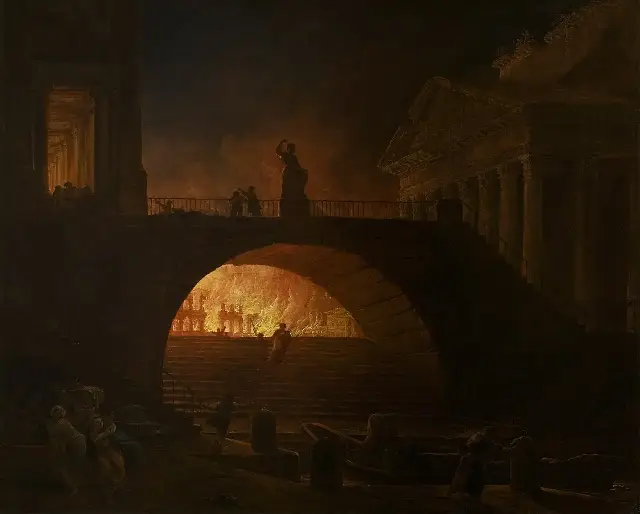
On the night of July 18, 64 AD, a fire broke out in shops near the Circus Maximus and burned for nine days, destroying nearly three-quarters of ancient Rome.
On March 27, 1977, two Boeing 747s collided on a foggy runway in Tenerife — the deadliest aviation accident in history, and the reason pilots changed how they talk.
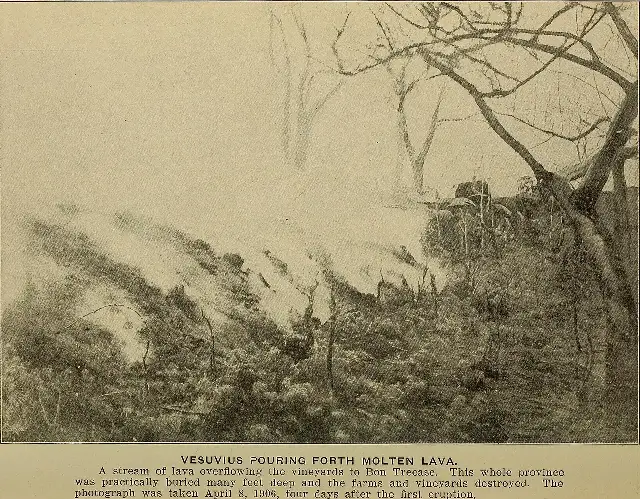
On the night of April 7, 1906, Mount Vesuvius reached the peak of its most violent modern eruption, burying villages in lava and ash and darkening the skies over Naples.
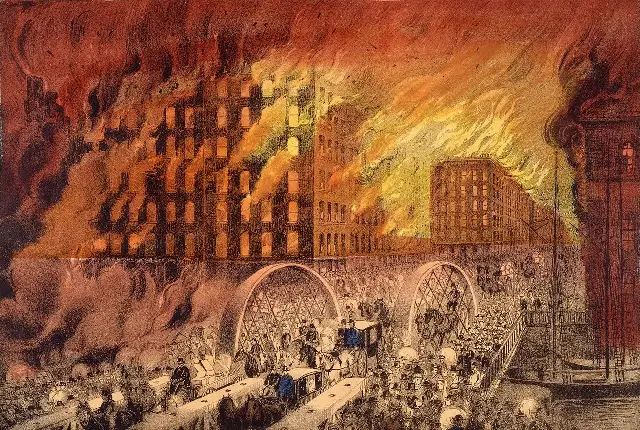
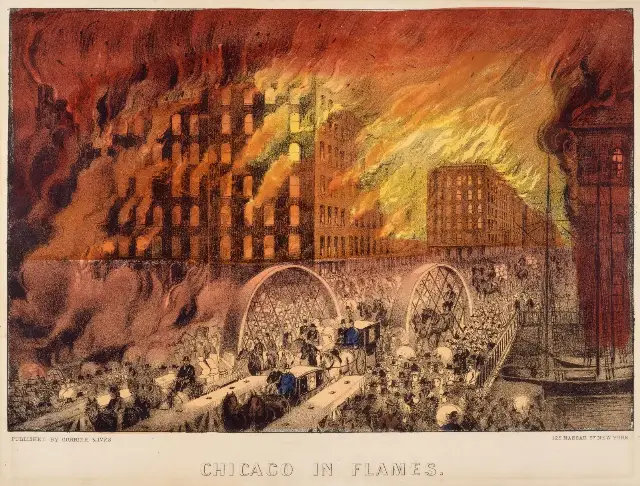
The Great Chicago Fire burned October 8 to October 10, 1871, killing an estimated 300 people and leaving 100,000 homeless — and the city rebuilt itself into a modern metropolis.
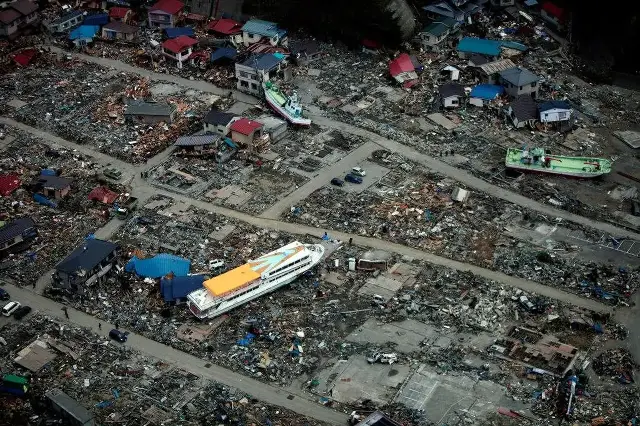
On March 11, 2011, a magnitude 9.0–9.1 earthquake and tsunami devastated Japan's northeast coast, killing nearly 20,000 people.
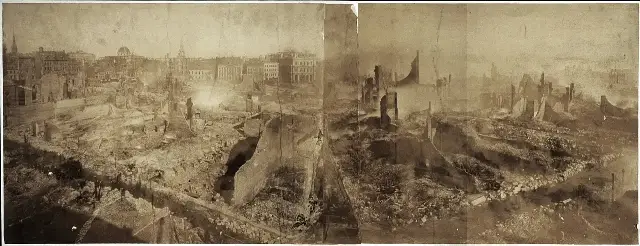
On November 9, 1872, a basement fire in downtown Boston exploded into a two-day inferno that destroyed 776 buildings — while the fire horses were too sick to pull the engines.
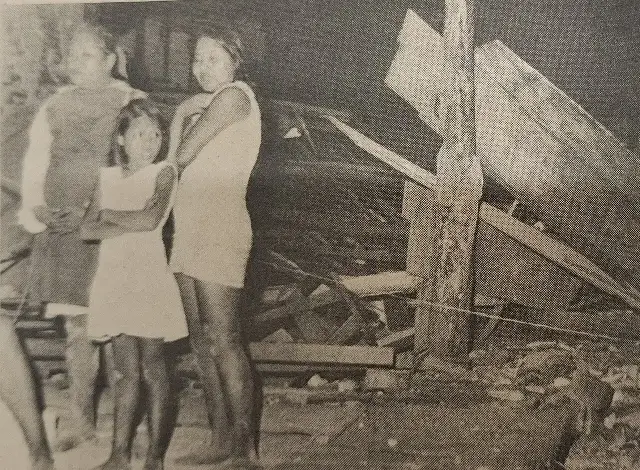
At 12:29 a.m. on December 23, 1972, a magnitude 6.3 earthquake devastated Managua, Nicaragua, killing thousands and leaving hundreds of thousands homeless.
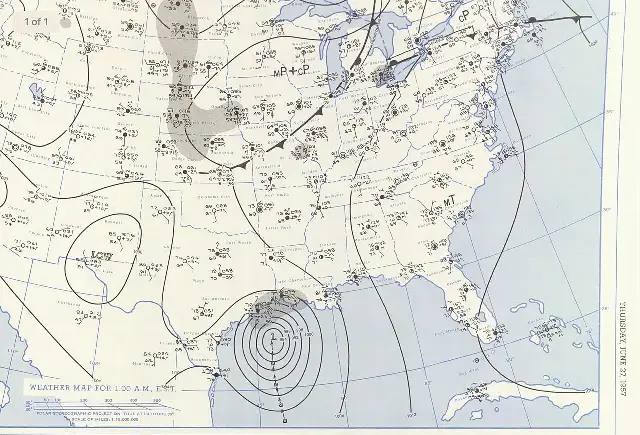
On June 27, 1957, Hurricane Audrey slammed into Louisiana with a devastating storm surge, killing 390 to 500 people — the strongest June hurricane ever recorded in the Atlantic.
On November 7, 1940, the Tacoma Narrows Bridge twisted itself apart in a 40-mph wind, four months after opening, and changed bridge engineering forever.
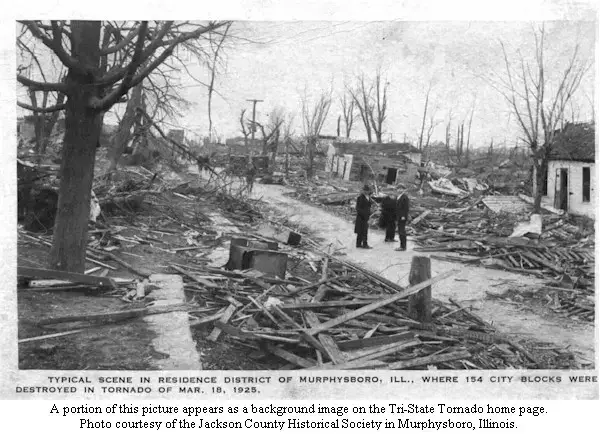
On March 18, 1925, a monster tornado cut a 219-mile scar through Missouri, Illinois, and Indiana, killing 695 people — still the deadliest tornado in U.S. history.
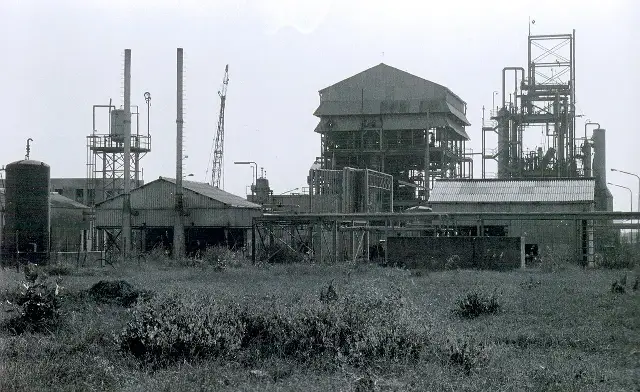
On December 3, 1984, a methyl isocyanate leak at a Union Carbide pesticide plant in Bhopal, India, became the worst industrial disaster in history.
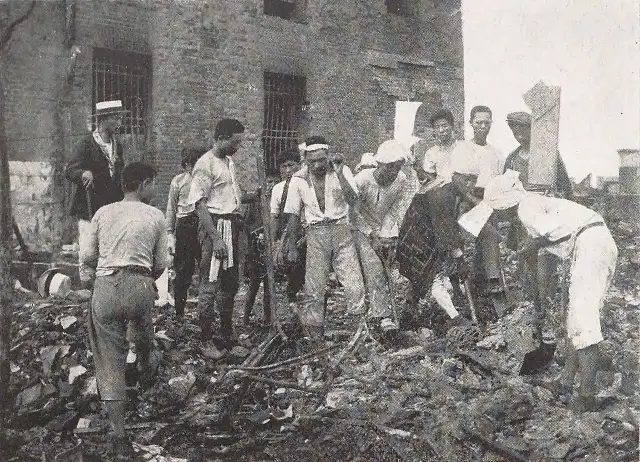
On September 1, 1923, a magnitude-8 earthquake struck Japan just before lunch — but it was the fires, fanned by typhoon winds, that killed more than 100,000 people.
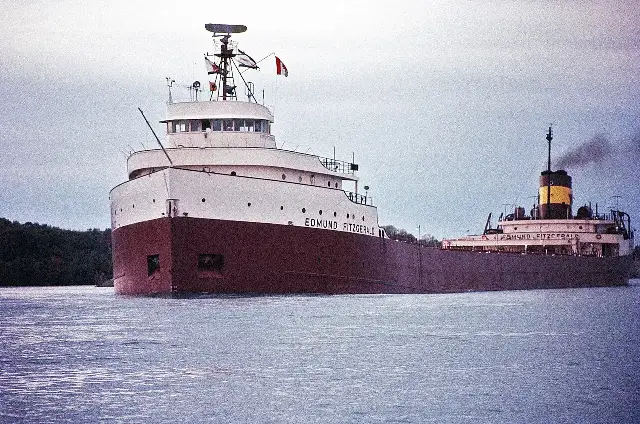
On November 10, 1975, the freighter SS Edmund Fitzgerald sank in a Lake Superior storm with all 29 crew, becoming the Great Lakes' most famous shipwreck.
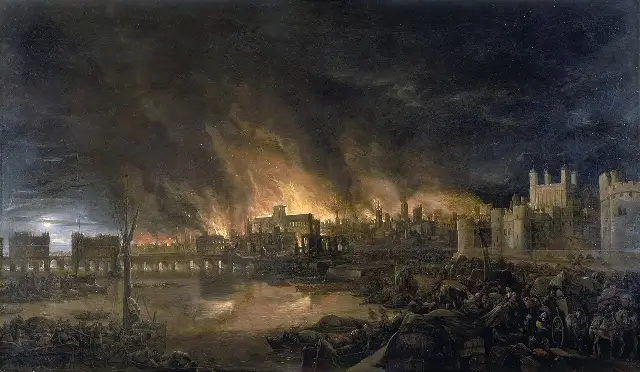
On September 2, 1666, a spark in a Pudding Lane bakery set off a four-day inferno that destroyed 13,200 houses and 87 churches — and remade London.
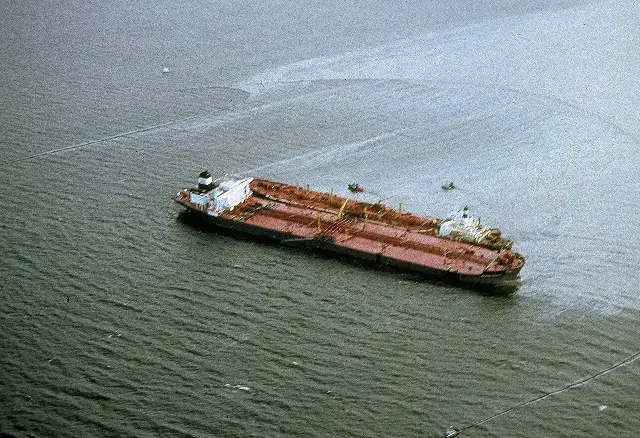
Just after midnight on March 24, 1989, the tanker Exxon Valdez ran aground on Bligh Reef, spilling nearly 11 million gallons of crude into Alaska's pristine waters.
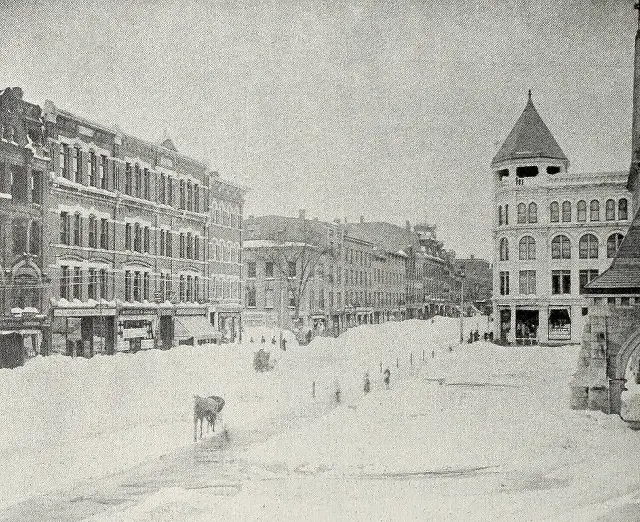
On March 11, 1888, a mild spring day gave way to one of the deadliest blizzards in American history — a storm that buried cities, killed more than 400 people, and forced America to go underground.
On July 28, 1945, a B-25 bomber lost in thick fog slammed into the Empire State Building, killing 14 — and an elevator operator survived a 75-story fall.
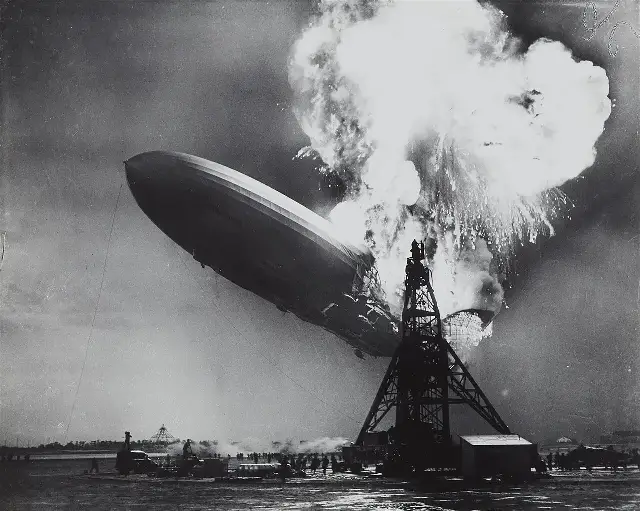
On May 6, 1937, the German airship Hindenburg caught fire while landing at Lakehurst, New Jersey, killing 36 people and ending the age of the passenger airship.
On the night of October 8, 1871, a small barn fire turned into an inferno that killed about 300 people, left 100,000 homeless — and gave America its most famous cow.