
The Governor Who Stood in the Schoolhouse Door
On June 11, 1963, Alabama's governor blocked two Black students from registering at the University of Alabama — and that night President Kennedy called civil rights a moral issue on TV.
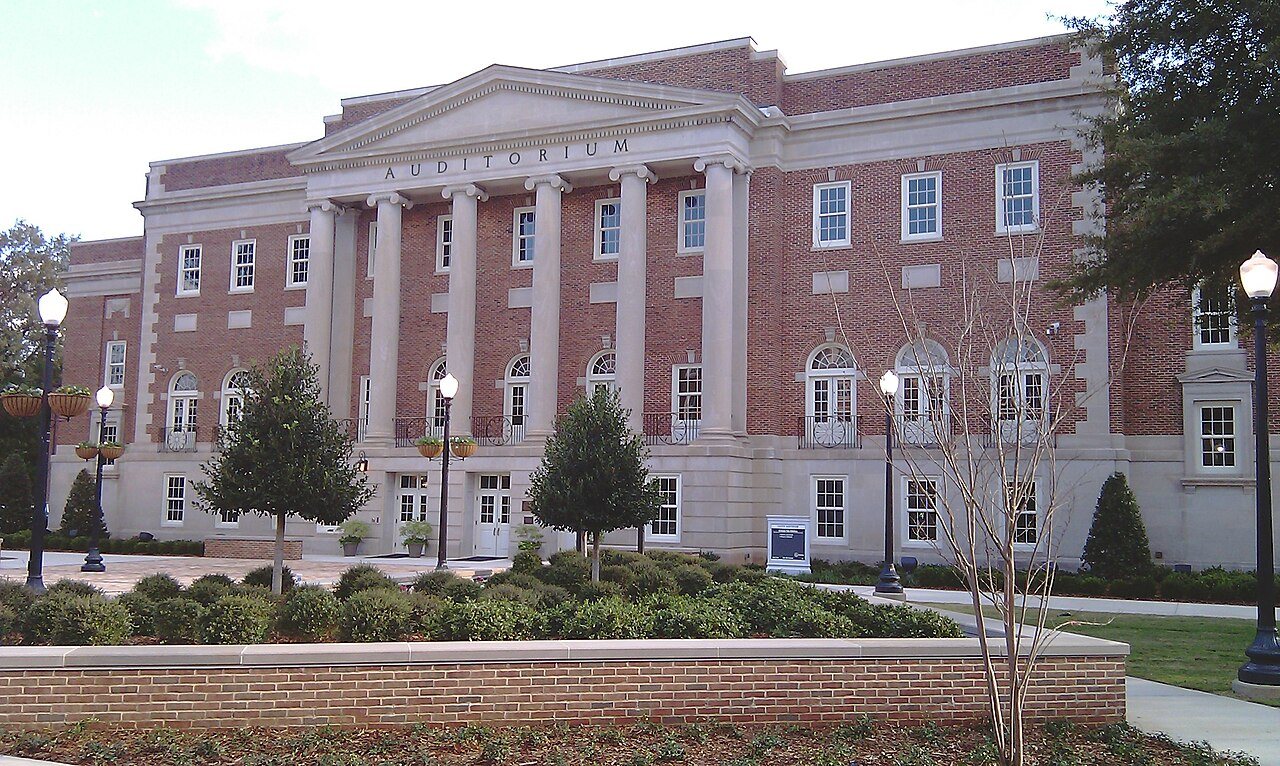
On the morning of June 11, 1963, the governor of Alabama stood in a doorway and refused to move.
George Wallace had won the governor’s office that January on a thundering promise: “segregation now, segregation tomorrow, segregation forever.” Now he meant to make the words physical. At Foster Auditorium on the University of Alabama campus in Tuscaloosa, two African American students — Vivian Malone and James Hood — were due to register for classes, under orders from the federal courts that the university desegregate.
Waiting for Wallace at the door was Deputy Attorney General Nicholas Katzenbach, sent by President John F. Kennedy to enforce the court order. The two men squared off in front of the cameras, and Wallace delivered a long speech defending segregation and states’ rights. Katzenbach, outmaneuvered but unmoved, simply read the governor a proclamation and left — while Kennedy, watching from Washington, took the next step.
The president issued Executive Order 11111, federalizing the Alabama National Guard and putting it under his own command. Brigadier General Henry V. Graham of the Guard confronted Wallace at the doorway and ordered him to step aside — as a soldier, Graham now outranked the governor. Wallace spoke a few more words, then moved. Malone and Hood walked through the door and completed their registration, becoming the first African American students to enroll successfully at the state’s flagship university.
The drama of the doorway did more than change two enrollment records. That same evening, Kennedy went on national television and told the country that civil rights was “a moral issue,” as old as the scriptures and as clear as the American Constitution. He promised to ask Congress for sweeping civil rights legislation. It was the first time a president had framed the cause so plainly.
The day’s hope and its danger arrived together: that same night in Mississippi, civil rights leader Medgar Evers was shot and killed outside his home. The struggle Wallace had tried to stop at a doorway was, as the nation was learning, far larger than any one building.
Why it matters: The events of June 11, 1963 forced the federal government and the nation to confront segregation head-on. Kennedy’s speech that night became the moral foundation for the Civil Rights Act of 1964, and the image of that doorway — now marked by the Malone-Hood Plaza outside Foster Auditorium — remains one of the most enduring symbols of the civil rights movement.
Photo: Foster Auditorium at the University of Alabama — a later photograph of the building where Governor Wallace stood in the doorway on June 11, 1963. Photo by Ttownfeen, public domain via Wikimedia Commons.