The Great March: Gandhi Leads Thousands Toward the Border
On November 6, 1913, Mahatma Gandhi led more than 2,000 Indian miners, women, and children on a protest march into the Transvaal — and was arrested for crossing without permits.
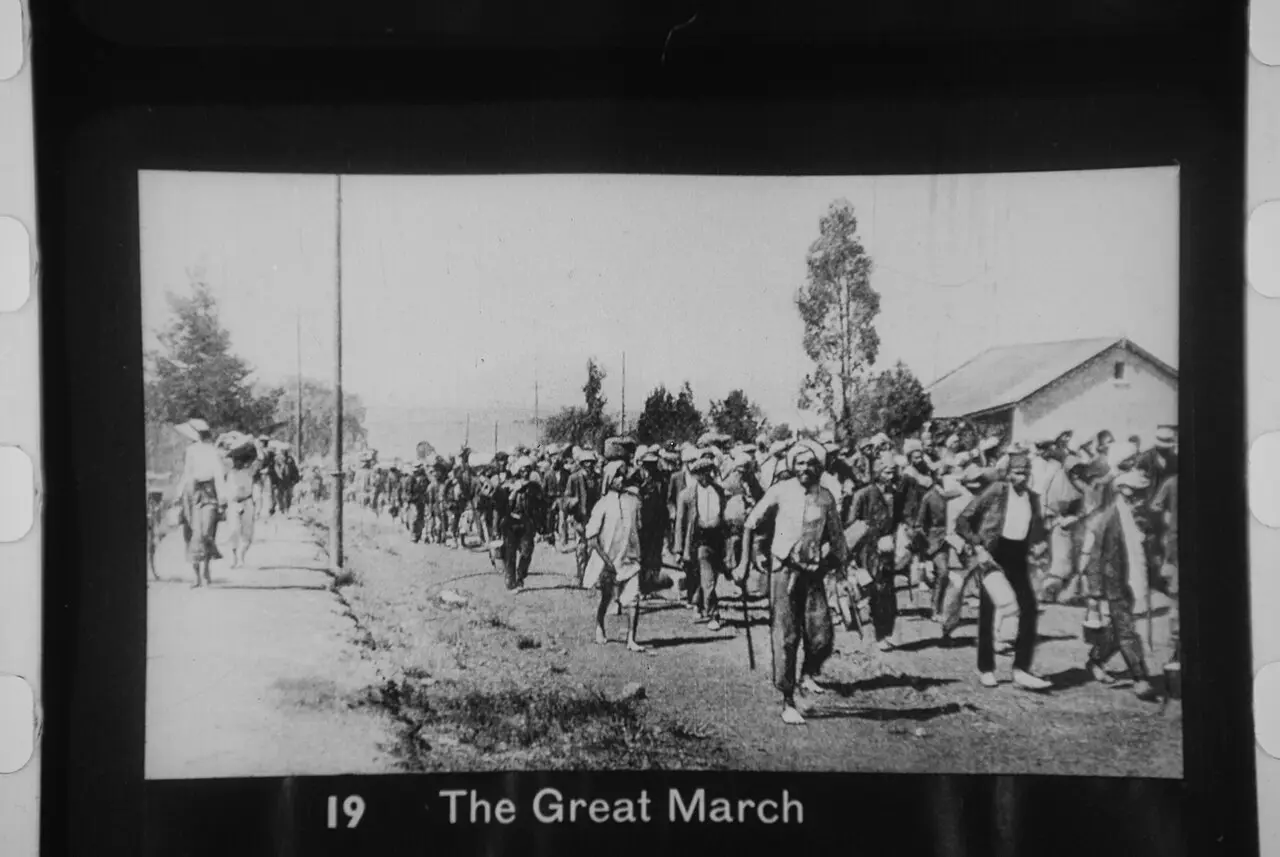
On November 6, 1913, a column of more than two thousand people set out on foot across the South African veld — coal miners, women, and children, carrying their belongings on their heads. At their head walked a 44-year-old lawyer in simple Indian dress: Mohandas Gandhi. They were marching into the Transvaal without the permits the law required. They knew they would be arrested. That was the plan.
Gandhi had lived in South Africa for twenty years, and in that time he had invented satyagraha — nonviolent resistance — as a weapon for people the law refused to recognize. Two injustices had finally united Natal's Indian community: a crushing £3 annual tax on former indentured laborers, and a court ruling that declared most Indian marriages legally invalid, reducing wives to the status of concubines in the eyes of the law. When petitions failed, Gandhi called for the march.
The numbers were staggering for a protest of the era: 2,037 men, 127 women, and 57 children, most of them miners who had struck their jobs to join. They walked from the Newcastle coalfields toward the Transvaal border at Volksrust, deliberately crossing a provincial boundary without passes — an act of mass civil disobedience aimed at laws the marchers considered degrading.
Among the marchers were women protesting the Searle judgment, a court ruling that had declared most Indian marriages legally invalid — reducing wives, in the law's eyes, to concubines and raising questions about their children's legitimacy. Indian women were outraged, and many joined the column to defend their own womanhood. The march was as much theirs as the miners'.
The authorities struck back at the leader first. Gandhi was arrested on November 6, the march's first day. Released on bail, he rejoined the column — and was arrested again. The marchers pressed on without him; hundreds were jailed, and striking miners were herded into compounds and forced back to work. But the images of peaceful marchers filling the jails shocked opinion in India and Britain alike, and the South African government, facing a spreading strike, began to bend.
Within months, General Smuts negotiated. The £3 tax was abolished, Indian marriages were recognized, and the worst of the pass restrictions were eased. It was Gandhi's first great victory — the proof that disciplined nonviolence could move an empire. Soon after, he sailed for India, carrying satyagraha home with him. The salt marches, the boycotts, and ultimately independence itself all trace their lineage to a dusty road in Natal, on a November day in 1913, when two thousand people walked into the jails rather than bow to an unjust law.
Photo: public domain (via Wikimedia Commons).