The Day Montgomery's Buses Ran Empty
On December 5, 1955, Montgomery's Black residents stayed off the city's buses — and a 26-year-old preacher named Martin Luther King Jr. found his voice.
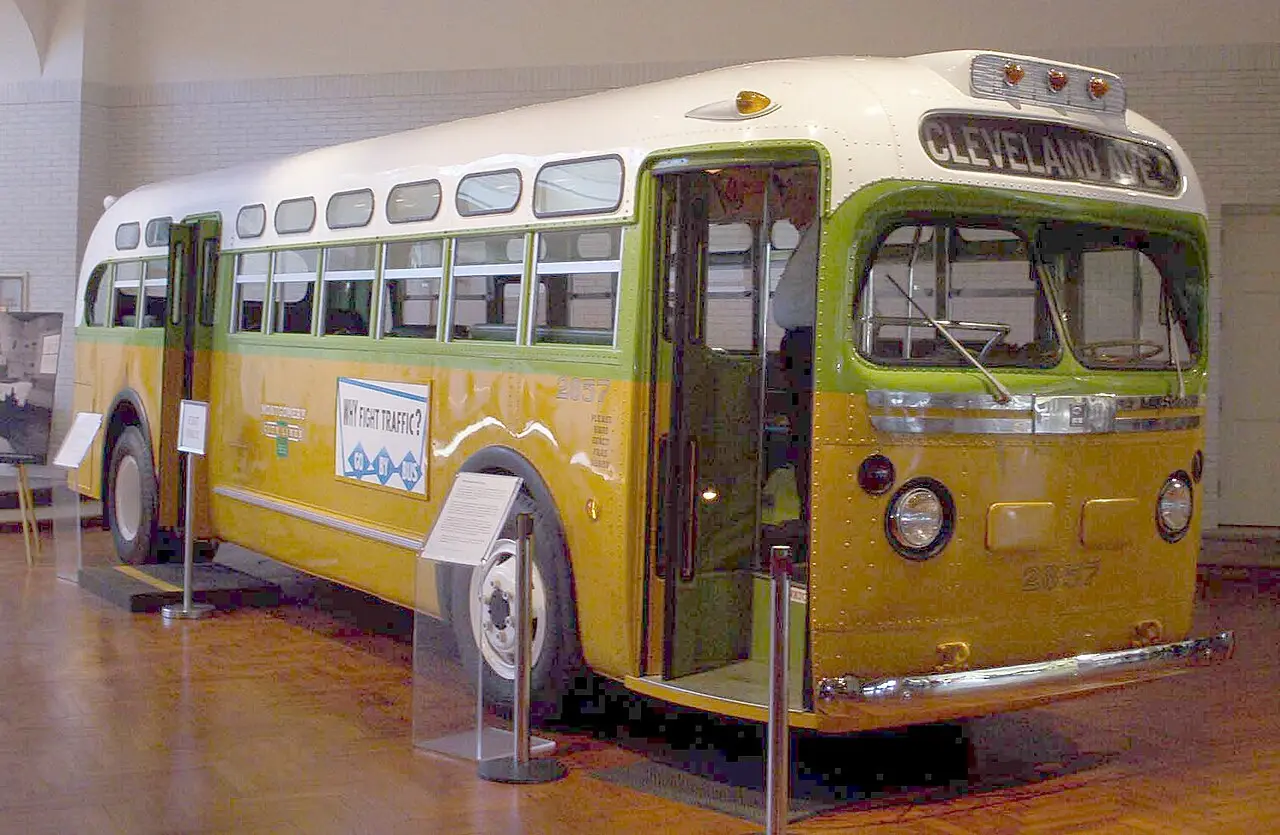
The buses rolled through Montgomery, Alabama, on the morning of December 5, 1955 — and they were empty. Row after row of vacant seats glided past Black neighborhoods where, on any other Monday, hundreds of riders would have been waiting at the stops. Four days after Rosa Parks was arrested for refusing to give up her seat to a white passenger, Montgomery's Black community had answered with the quietest weapon it possessed: staying home.
The boycott had been organized in a hurry. On December 2, the city's Black ministers and civic leaders — including Ralph Abernathy and a young preacher new to town, Martin Luther King Jr. — met at Dexter Avenue Baptist Church and agreed to a one-day protest. Flyers went out across the Black community. Nobody knew if it would work.
It worked beyond anyone's dreams. Roughly 90 percent of Montgomery's Black bus riders stayed off the buses that Monday. That afternoon, the movement's leaders decided to keep going: they formed the Montgomery Improvement Association and elected King — just 26, pastor of Dexter Avenue — as its president. That evening, thousands packed into Holt Street Baptist Church, with hundreds more listening on loudspeakers outside, to vote on whether to continue the fight.
King rose to give the first great speech of his public life. "There comes a time," he told the crowd, "when people get tired of being trampled over by the iron feet of oppression." And then the lines that would echo for decades: "We are not wrong in what we are doing. If we are wrong, the Supreme Court of this nation is wrong. If we are wrong, the Constitution of the United States is wrong. If we are wrong, God Almighty is wrong." The church thundered its approval: the boycott would continue.
What followed was more than a year of walking in the rain, of carpools organized church by church, of harassment and arrests and economic pressure on a segregated bus system. It ended in victory: the U.S. Supreme Court struck down segregated seating on public buses, and Montgomery's buses were desegregated.
The boycott invented the playbook of the modern civil rights movement — nonviolent mass action, economic pressure, unshakeable moral clarity — and it introduced America to Martin Luther King Jr., who would lead that movement for the rest of his life. It all began on a December morning, with empty buses rolling through Montgomery.
Photo: Rmhermen, CC BY-SA 3.0 (via Wikimedia Commons).