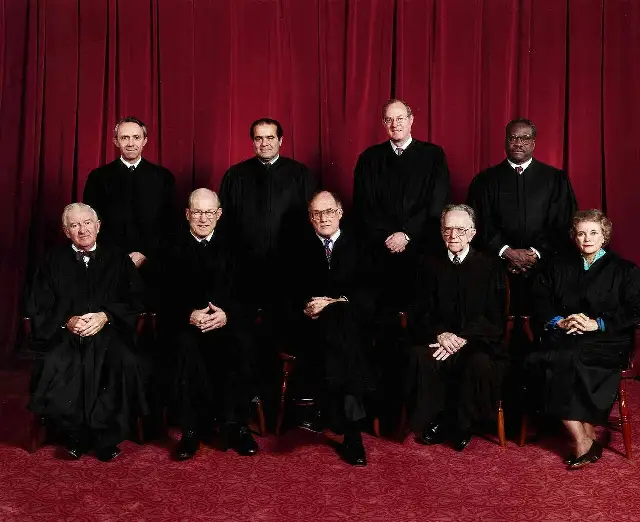
Six Justices and a New Branch: The Judiciary Act of 1789
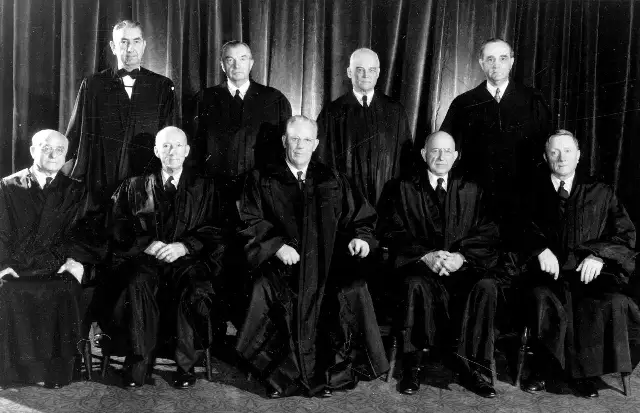
On September 24, 1789, George Washington signed the Judiciary Act, creating the Supreme Court and the federal court system — and completing America's three branches of government.


On September 24, 1789, George Washington signed the Judiciary Act, creating the Supreme Court and the federal court system — and completing America's three branches of government.
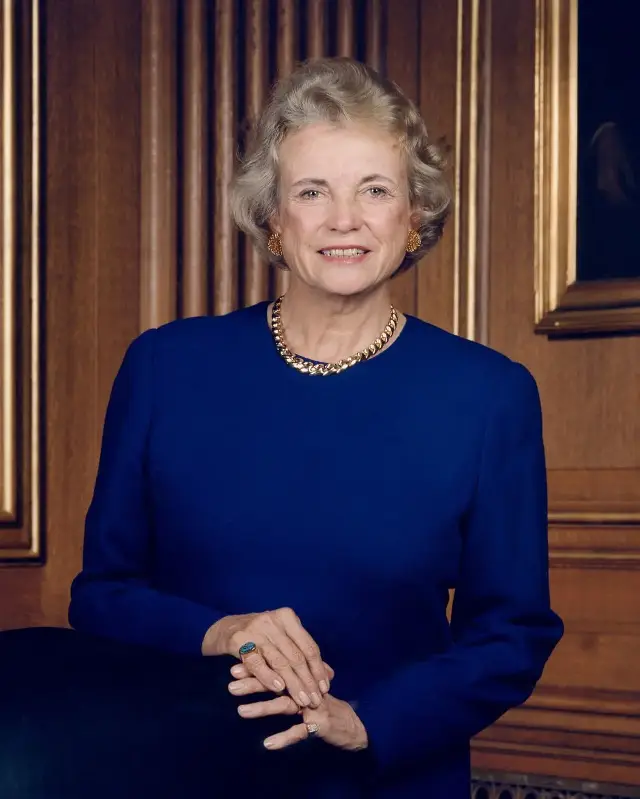
On July 7, 1981, President Reagan announced Sandra Day O'Connor as his Supreme Court nominee — the first woman ever chosen for the Court.
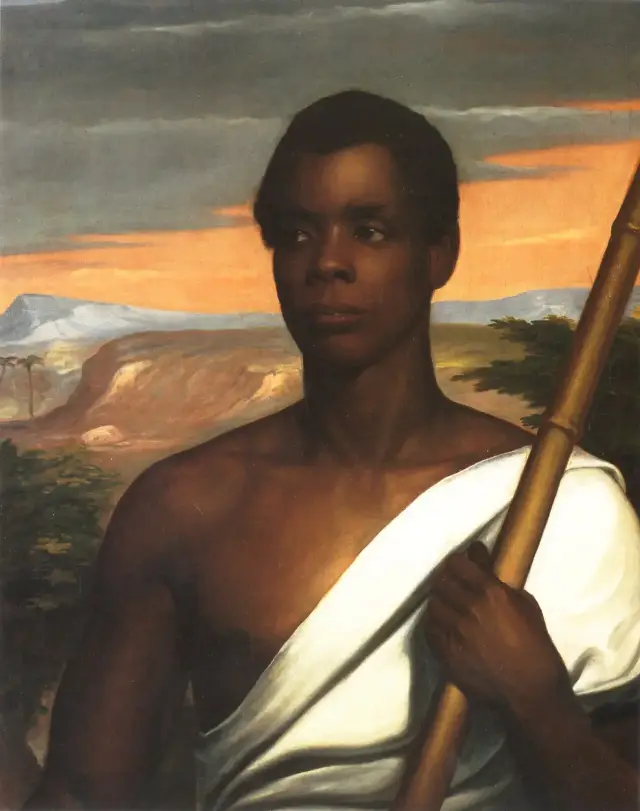
On March 9, 1841, the U.S. Supreme Court set the kidnapped Africans of the Amistad free, after a former president pleaded their case.
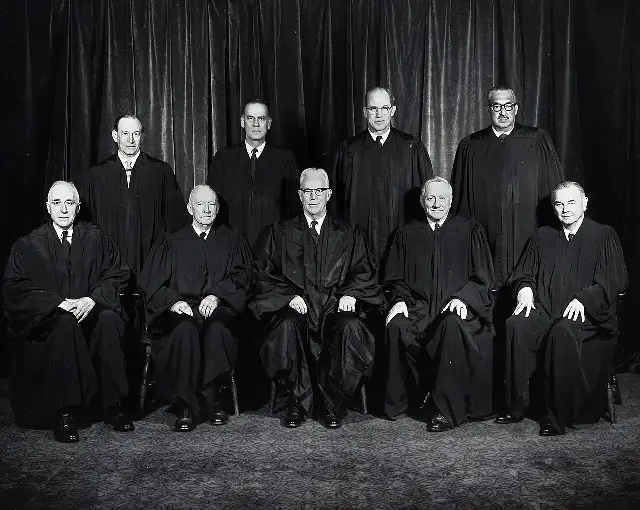
On August 30, 1967, the Senate confirmed Thurgood Marshall 69–11, making him the first Black justice in Supreme Court history.
On October 2, 1967, Thurgood Marshall was sworn in as the first Black justice of the U.S. Supreme Court — the great-grandson of an enslaved man, now the Court's 96th justice.
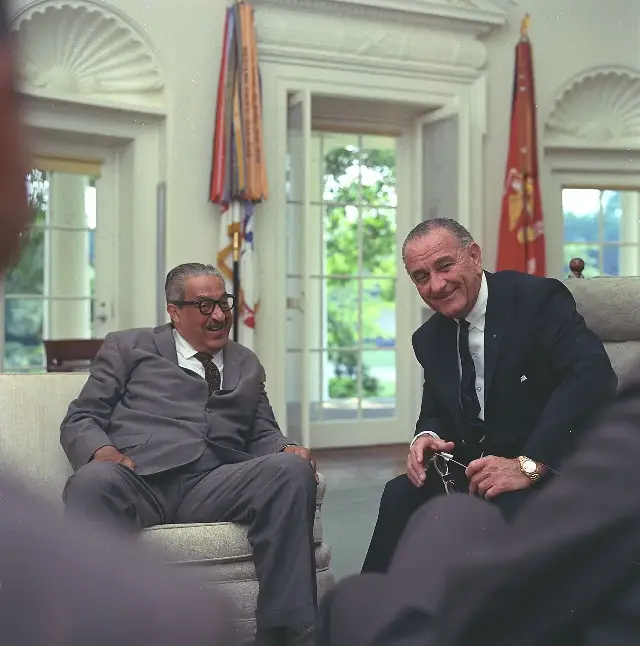
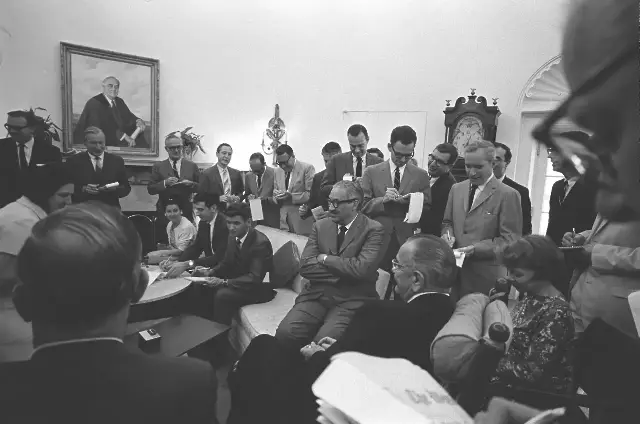
On June 13, 1967, President Lyndon Johnson nominated Thurgood Marshall to the Supreme Court, putting the first Black justice on America's highest court.
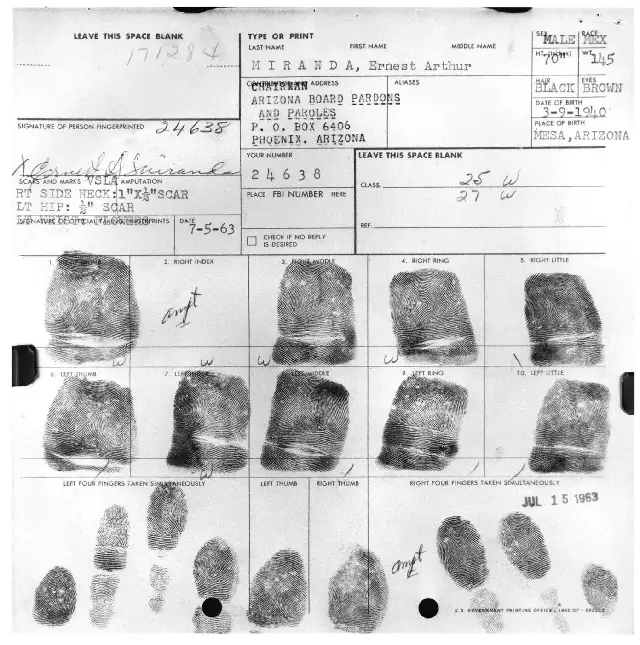
On June 13, 1966, the Supreme Court ruled that police must warn suspects of their rights before questioning — the origin of the words 'you have the right to remain silent.'
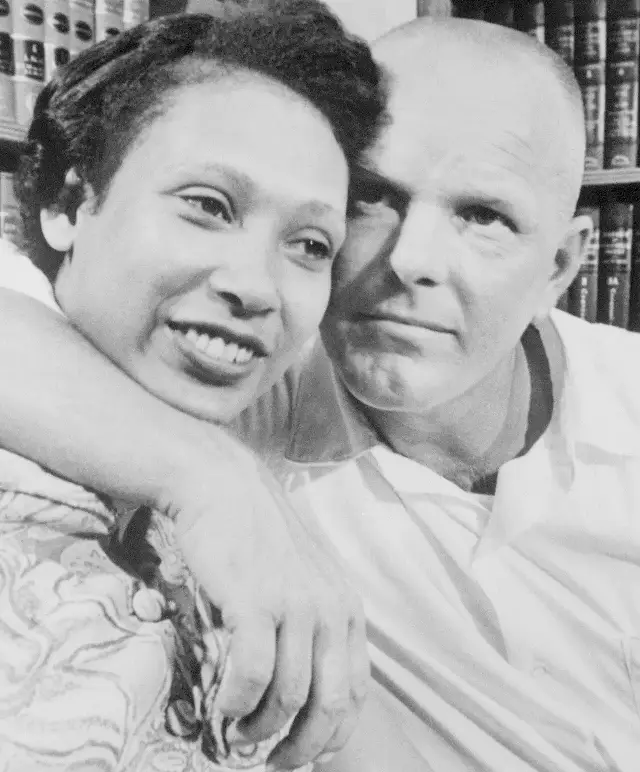
On June 12, 1967, the Supreme Court unanimously struck down every state law banning interracial marriage, freeing the Lovings of Virginia and millions of couples to come.
On May 17, 1954, the Supreme Court ruled unanimously in Brown v. Board of Education that racially segregated public schools are unconstitutional.
On September 25, 1981, Sandra Day O'Connor was sworn in as the first woman to sit on the U.S. Supreme Court, becoming the 102nd justice in its 191-year history.