
Thirteen Seconds: The Kent State Shootings, 1970
On May 4, 1970, Ohio National Guardsmen fired on unarmed students at Kent State University, killing four and wounding nine.
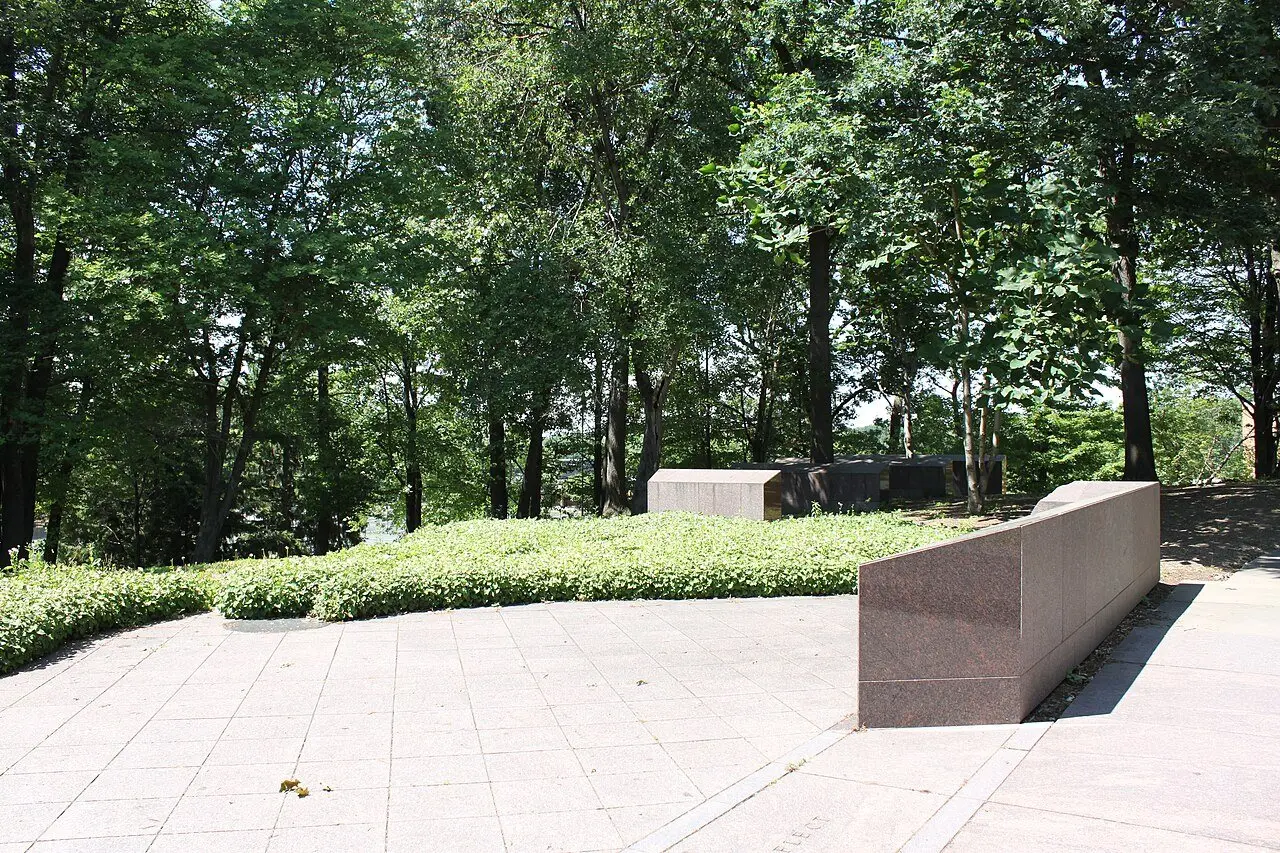
At noon on Monday, May 4, 1970, students gathered on the Commons at Kent State University in Ohio for a rally that had been banned. Thirteen seconds of gunfire later, four of them were dead, nine were wounded, and the Vietnam War era had its darkest day on an American campus.
The chain of events began four days earlier. On April 30, President Richard Nixon had announced on television that U.S. forces were expanding into Cambodia, widening a war many young Americans already opposed. Campuses erupted. At Kent State, protests began May 1; that night, students clashed with police in the town. On May 2, the campus ROTC building was set on fire, and Ohio's governor called in the National Guard. On May 3, scattered demonstrations were broken up with tear gas.
Classes resumed on Monday. Despite the ban on rallies, some 2,000 people assembled on the Commons around noon. Guardsmen ordered the crowd to disperse, fired tear gas, and advanced with bayonets fixed. Some protesters threw rocks and taunted the troops. The Guard pushed the crowd over Blanket Hill and down toward a practice field, then turned and marched back up.
At the top of the hill, 28 guardsmen suddenly turned and fired — about 67 rounds in 13 seconds. Four students died: Jeffrey Miller, 20, and Allison Krause, 19, who were part of the protest, and Sandra Scheuer, 20, and William Schroeder, 19, who were simply walking between classes and observing from more than 300 feet away. Nine others were wounded, including freshman Dean Kahler, whose spine was damaged by a bullet; he was left paralyzed.
The reaction was immediate and enormous. The university closed for six weeks. Millions of students walked out at hundreds of schools across the country in what became a national student strike. Crosby, Stills, Nash & Young released the song "Ohio" within weeks — "four dead in Ohio" became a generational refrain.
What followed was years of investigations and trials, but no one was ever criminally convicted for the shootings. A state grand jury declined to indict; a federal jury trial in 1974 was dismissed; and in 1979, the state of Ohio paid $675,000 to the wounded students and the victims' families, with a statement of regret but no admission of wrongdoing. The university now holds a solemn commemoration every May 4 at noon on the Commons.
Why it matters: Kent State is a reminder of what can happen when force answers speech. The deaths of four young people — two of them just passing by — deepened a nation's divisions and forced America to confront how it treats dissent. It remains a solemn warning, and the reason peaceful protest deserves protecting.
Photo: Pacificboyksu, CC BY 3.0 (via Wikimedia Commons). (Modern photo of the May 4 Memorial at Kent State, not from the 1970 event.)