The First Emancipation: April 16, 1862
On April 16, 1862 — nine months before the Emancipation Proclamation — Lincoln signed the act that freed some 3,100 enslaved people in Washington, D.C.
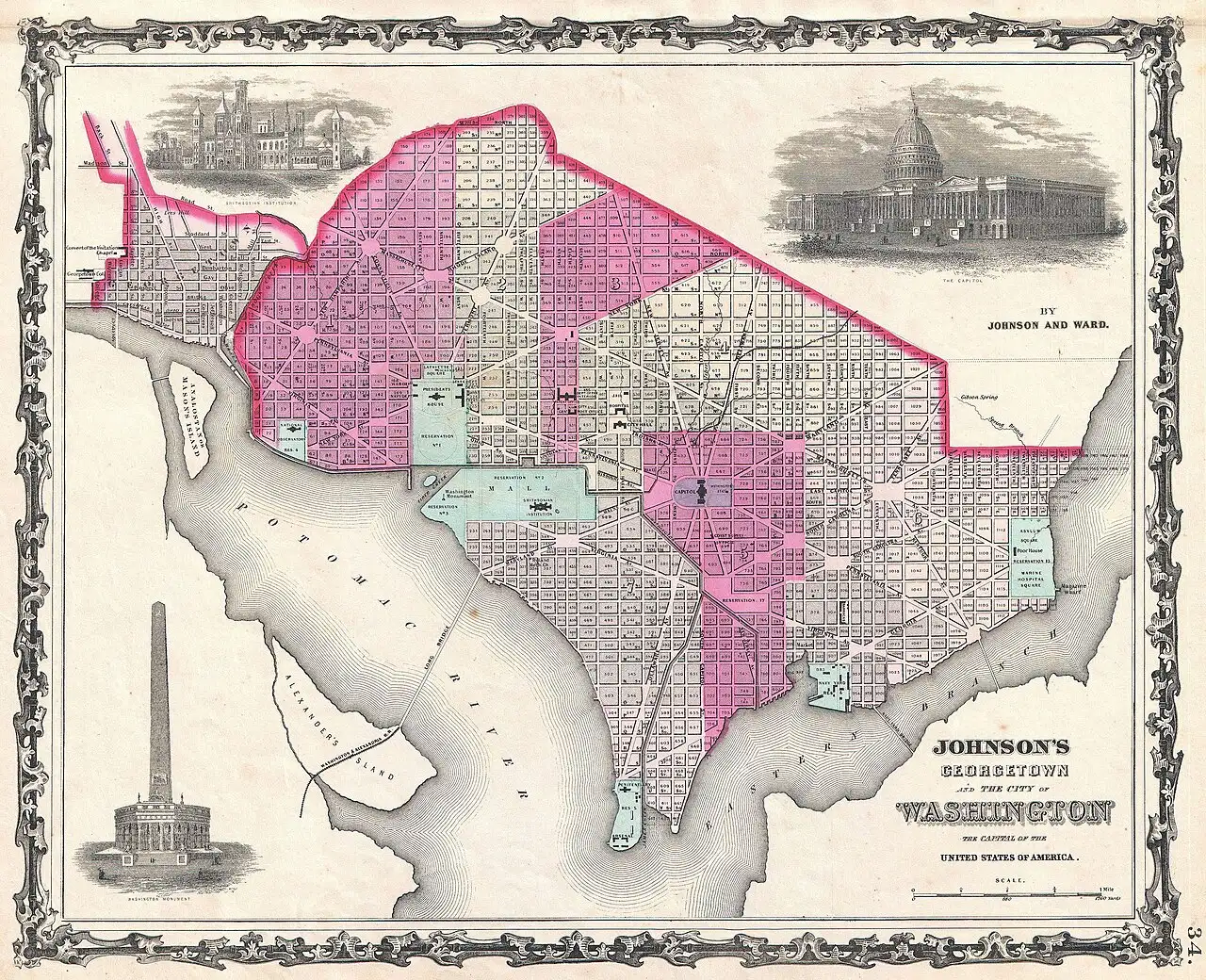
Nine months before the Emancipation Proclamation, freedom came to the nation's capital — with a price tag attached.
On April 16, 1862, in the second year of the Civil War, President Abraham Lincoln signed the District of Columbia Compensated Emancipation Act, a law that ended slavery in Washington, D.C. It was the first time the federal government had ever directly freed enslaved people — and it did so by paying for them.
The idea was not Lincoln's; the bill had been introduced months earlier by Massachusetts Senator Henry Wilson. It passed the Senate 29 to 14 on April 3 and the House 92 to 39 on April 11. But Lincoln's signature made it law, and its terms were extraordinary: every enslaved person held in the District was declared free, and slaveholders who could prove their loyalty to the Union could petition the government for compensation of up to $300 per person. Congress authorized nearly a million dollars — an enormous sum in 1862 — and 966 former slave owners filed claims.
About 3,100 men, women, and children were freed — remembered in congressional records as the "first freed" of the Civil War. The act also set aside money for voluntary colonization: any freed person willing to emigrate to Haiti, Liberia, or elsewhere could receive $100 toward the journey, a provision reflecting Lincoln's then-belief that emancipation and colonization went hand in hand. Few took the offer.
The law was controversial from every direction. Abolitionists grumbled that paying slaveholders was ransom, not justice — that the money should have gone to the enslaved as reparations for stolen labor. Slaveholders complained the payments were too small. Some argued slavery was already dying in the District and the government had overpaid for its funeral.
But for the 3,100, none of that mattered. They were free — free to work for wages, to marry legally, to learn to read, to keep their children. And the precedent mattered enormously: once the federal government had paid to end slavery in its own backyard, the argument that Washington had no power over the institution anywhere else grew much harder to make. Nine months later came the Emancipation Proclamation; three years later, the Thirteenth Amendment.
Washington has never forgotten. In April 1866, formerly enslaved Washingtonians paraded through the city to mark the anniversary, beginning a tradition that continues today: April 16 is Emancipation Day, a legal public holiday in the District of Columbia, celebrated with parades, concerts, and fireworks in the city where freedom came first.
Photo: A. J. Johnson, public domain (via Wikimedia Commons).