A Passport Check at Heathrow Caught the FBI's Most Wanted Man
On June 8, 1968, James Earl Ray's two-month flight from justice ended at London's Heathrow Airport when a ticket agent spotted his alias on a police watchlist.
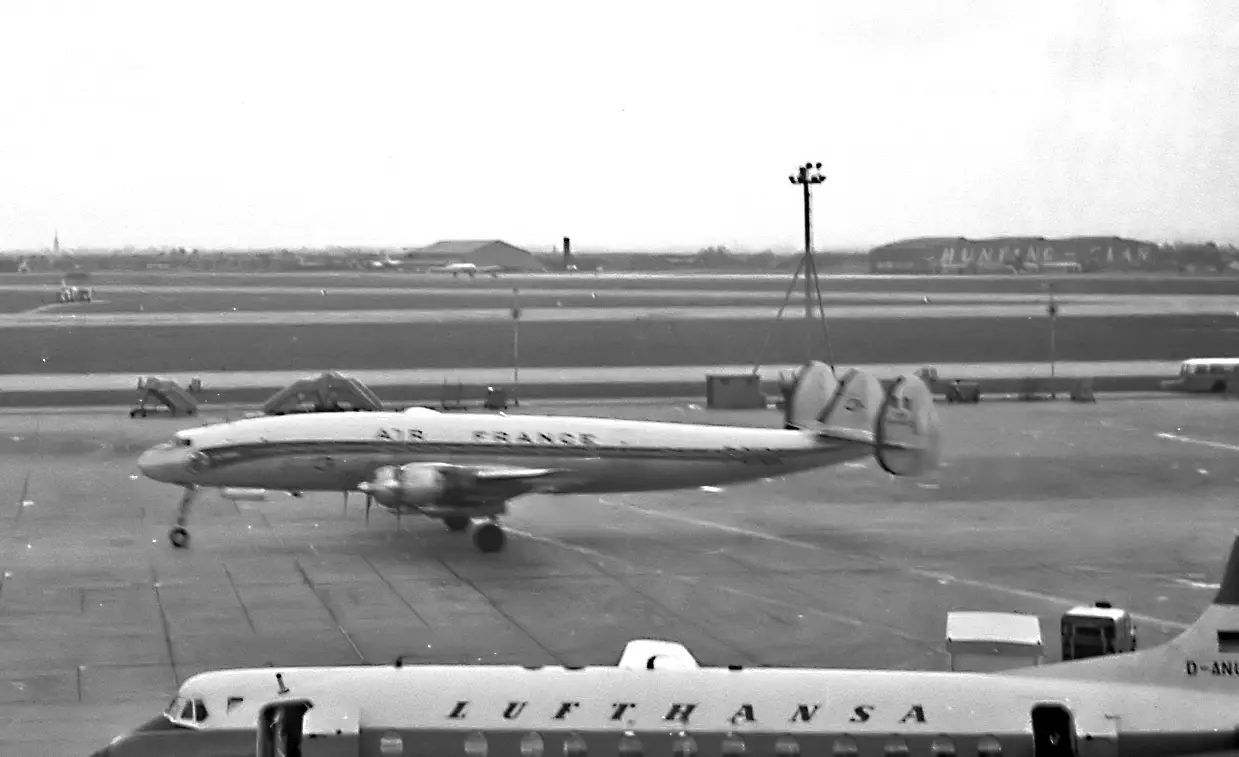
For two months he had outrun the largest manhunt in FBI history — across the American South, into Canada, and over the Atlantic. It ended on June 8, 1968, at a check-in counter in London's Heathrow Airport, because somebody looked twice at a name on a passport.
Two months earlier, on April 4, 1968, the Reverend Martin Luther King Jr. had been shot dead as he stood on the balcony of the Lorraine Motel in Memphis, Tennessee. The single rifle shot had been fired from a rooming house across the street. In the doorway of a shop a few doors down, the killer had dropped a bundle containing a rifle and binoculars — both bearing his fingerprints. The FBI identified the suspect as James Earl Ray, a 40-year-old escaped convict, and placed him on its Ten Most Wanted list.
Ray ran with almost professional discipline. He drove eleven hours to Atlanta in his white Ford Mustang, abandoned the car there, and slipped north into Canada. In Toronto he hid for more than a month, then acquired a Canadian passport under the false name Ramon George Sneyd. In late May he flew to England. He spent a few days in Lisbon, Portugal, then returned to London, moving from hotel to hotel under his alias, apparently hoping to reach a sympathetic country in Africa.
But the alias was his undoing. On June 8, Ray walked into Heathrow Airport and tried to check in for a flight to Brussels. The ticket agent noticed something wrong: the name Sneyd appeared on a Royal Canadian Mounted Police watchlist. Airport officials detained him and found he was carrying a second passport under yet another name. Fingerprint analysis confirmed what the Americans had suspected — the quiet traveler was the man wanted for the murder of Martin Luther King Jr.
Britain moved quickly. Ray was extradited to Tennessee on July 19, 1968. On March 10, 1969 — his 41st birthday — he pleaded guilty to King's murder and was sentenced to 99 years in prison. Three days later he recanted, claiming he had been coerced and hinting at a wider conspiracy, and he spent the rest of his life fighting for a trial that never came. He died in a Nashville prison hospital on April 23, 1998.
Why it matters: the Heathrow arrest closed one of the most intense manhunts in American history and brought the King case to its legal conclusion. Because Ray pleaded guilty, there was never a trial — which is why questions and conspiracy theories have swirled around the assassination for decades. Yet the physical evidence that started the chase — the rifle, the fingerprints, the abandoned bundle — never changed. Sometimes the biggest cases turn on the smallest moments: a name on a list, and an airline employee paying attention.
Photo: Phillip Capper, CC BY 2.0 (via Wikimedia Commons).