
Juneteenth: The Day Freedom's News Finally Reached Texas
On June 19, 1865, Union troops issued General Order No. 3 in Galveston, Texas, finally enforcing emancipation there — the event now celebrated as Juneteenth.
President Abraham Lincoln had signed the Emancipation Proclamation on January 1, 1863, legally freeing enslaved people in the rebellious states. But in Texas — the westernmost Confederate state, with barely any Union troops to enforce the order — almost nothing changed. More than two and a half years later, enslavers in Texas were still holding people in bondage, and many of the enslaved had never even heard of the proclamation.
That changed on June 19, 1865. Major General Gordon Granger arrived in Galveston at the head of some 2,000 Union troops, the force that would occupy Texas at the end of the Civil War. He issued General Order No. 3, which was posted around town and read aloud at several locations, including Union Army headquarters. It began: "The people of Texas are informed that, in accordance with a proclamation from the Executive of the United States, all slaves are free."
The order went on to declare an "absolute equality of personal rights and rights of property" between former masters and slaves. For the roughly 250,000 enslaved people in Texas, it was the first time freedom had arrived with the force of law behind it. Yet even then, freedom did not arrive evenly: some enslavers withheld the news and kept people enslaved through one more harvest season. The Thirteenth Amendment, which abolished slavery nationwide, would not be ratified until that December.
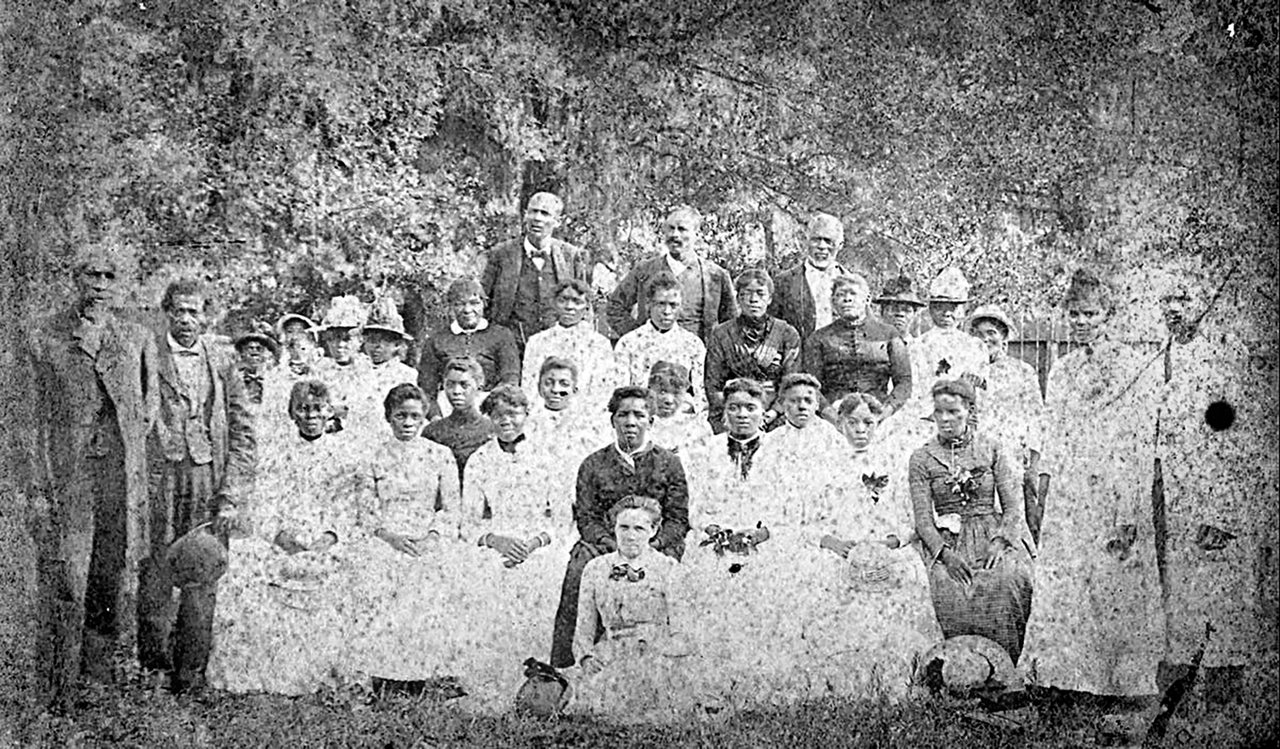
But the people of Galveston did not wait to celebrate. The first anniversary gatherings took place in 1866, and within a few years the June 19 celebration had a name — a blend of "June" and "nineteenth": Juneteenth. Communities gathered for parades, cookouts, prayer meetings, music, and readings. In 1872, freed people in Houston pooled their money to buy land for the celebration — Emancipation Park, one of the first public parks for Black communities in America. As families moved out of Texas, they carried the holiday with them across the country.
Texas made Juneteenth a state holiday in 1980 — the first state to do so — thanks to state representative Al Edwards, who wrote and fought for the bill. Over the following decades, every other state followed. In 2021, Juneteenth National Independence Day became a federal holiday, observed nationwide every June 19.
Why it matters: Juneteenth is America's second Independence Day — a reminder that freedom proclaimed is not freedom delivered until it actually reaches people. The story of Galveston is the story of that gap, and of the communities that refused to let the news arrive quietly.
Photo: a Juneteenth celebration at Emancipation Park in Houston in 1880 — fifteen years after the first Juneteenth, not a photograph of the 1865 event itself; public domain via Wikimedia Commons.