The Night the Stonewall Inn Fought Back
In the early hours of June 28, 1969, a routine police raid on a Greenwich Village gay bar became the uprising that launched the modern LGBTQ rights movement.
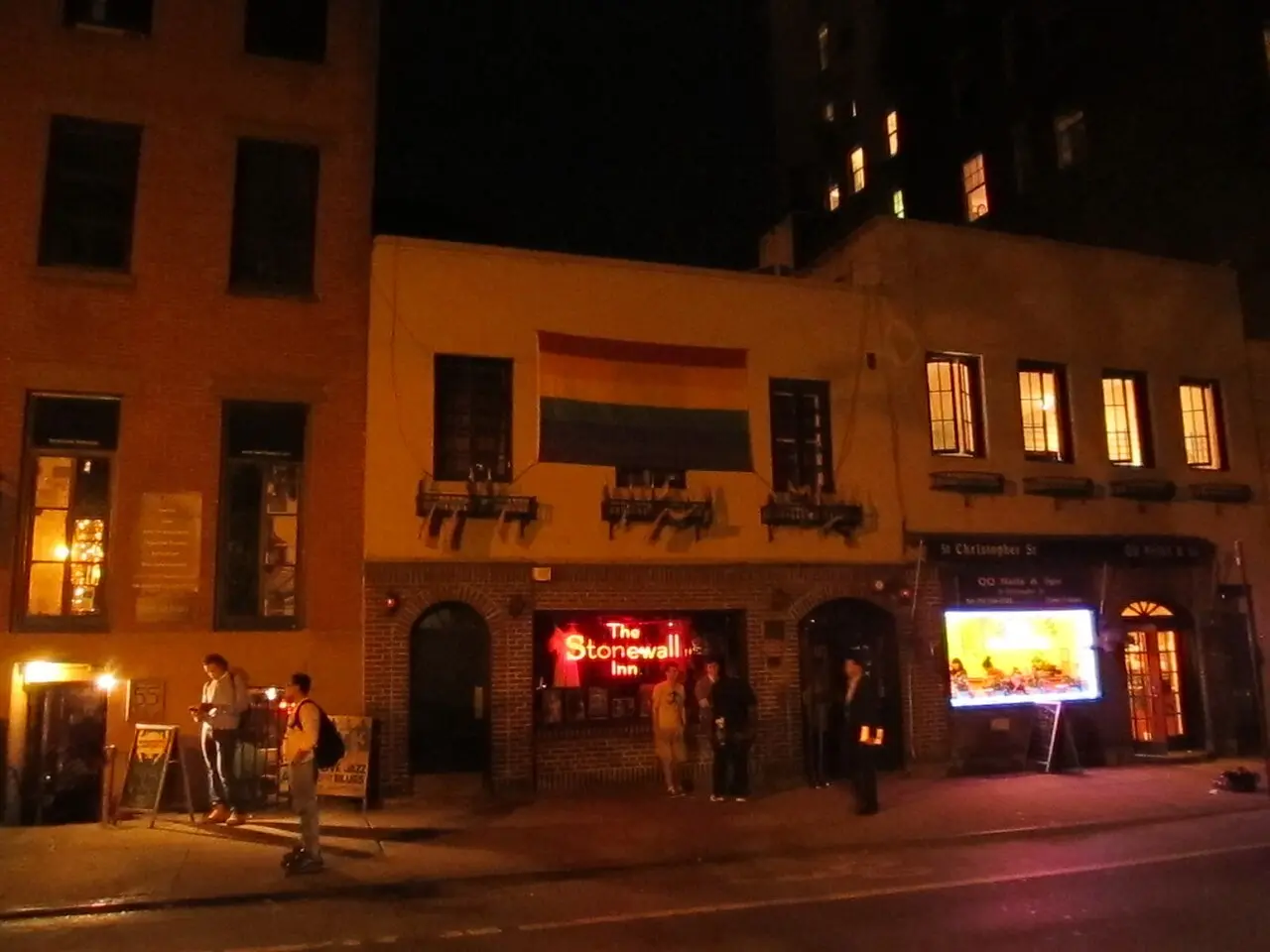
It was supposed to be a routine raid. Instead, it became the night that changed everything.
In 1969, gay life in New York existed in the shadows. Homosexuality was still criminalized, and bars that served gay patrons were routinely raided by police. The Stonewall Inn, a crowded bar on Christopher Street in Greenwich Village, was one of the few places where gay men, lesbians, and transgender people could gather — though it operated without a liquor license and was run, like many such bars, by organized crime.
Around 1:15 on the morning of Saturday, June 28, 1969, plainclothes officers from the New York Police Department, led by Deputy Inspector Seymour Pine, walked into the Stonewall Inn with a warrant to investigate illegal alcohol sales. They arrested the employees, roughed up patrons, and took several people into custody under a statute that allowed the arrest of anyone not wearing at least three articles of gender-appropriate clothing. It was the third police raid on a Greenwich Village gay bar in a short span of time.
This time, the crowd outside did not scatter. As patrons were forced into police vans, hundreds of onlookers grew angrier — and then fought back. Bottles and debris flew; the officers, accustomed to passive compliance, called for reinforcements and barricaded themselves inside the bar while some 400 people rioted in the street. The bar itself was set on fire before the flames were extinguished and the crowd dispersed. The New York Times reported on the extraordinary sight: a gay community refusing to retreat.
The uprising did not end that night. Protests flared for five more nights, drawing larger crowds each evening, and the confrontation stretched across six days in all. Within weeks, new organizations like the Gay Liberation Front had formed, and a movement that had long worked quietly through education began demanding change in the open. A year later, on the first anniversary of the uprising, marches in New York, Los Angeles, and Chicago became the first Pride parades. LGBTQ activism had existed before Stonewall — but after it, the movement had a new beginning, in New York and around the world.
Every June, Pride Month commemorates the Stonewall uprising. The bar that police raided in 1969 is now the Stonewall National Monument, a landmark of American civil rights. One hot night in Greenwich Village proved that dignity, once demanded, is very hard to give back.
Photo: Ken Lund — CC BY-SA 2.0 (via Wikimedia Commons).