
The Day Number 42 Changed Baseball Forever
On April 15, 1947, Jackie Robinson started at first base for the Brooklyn Dodgers, breaking Major League Baseball's color line and changing American history.
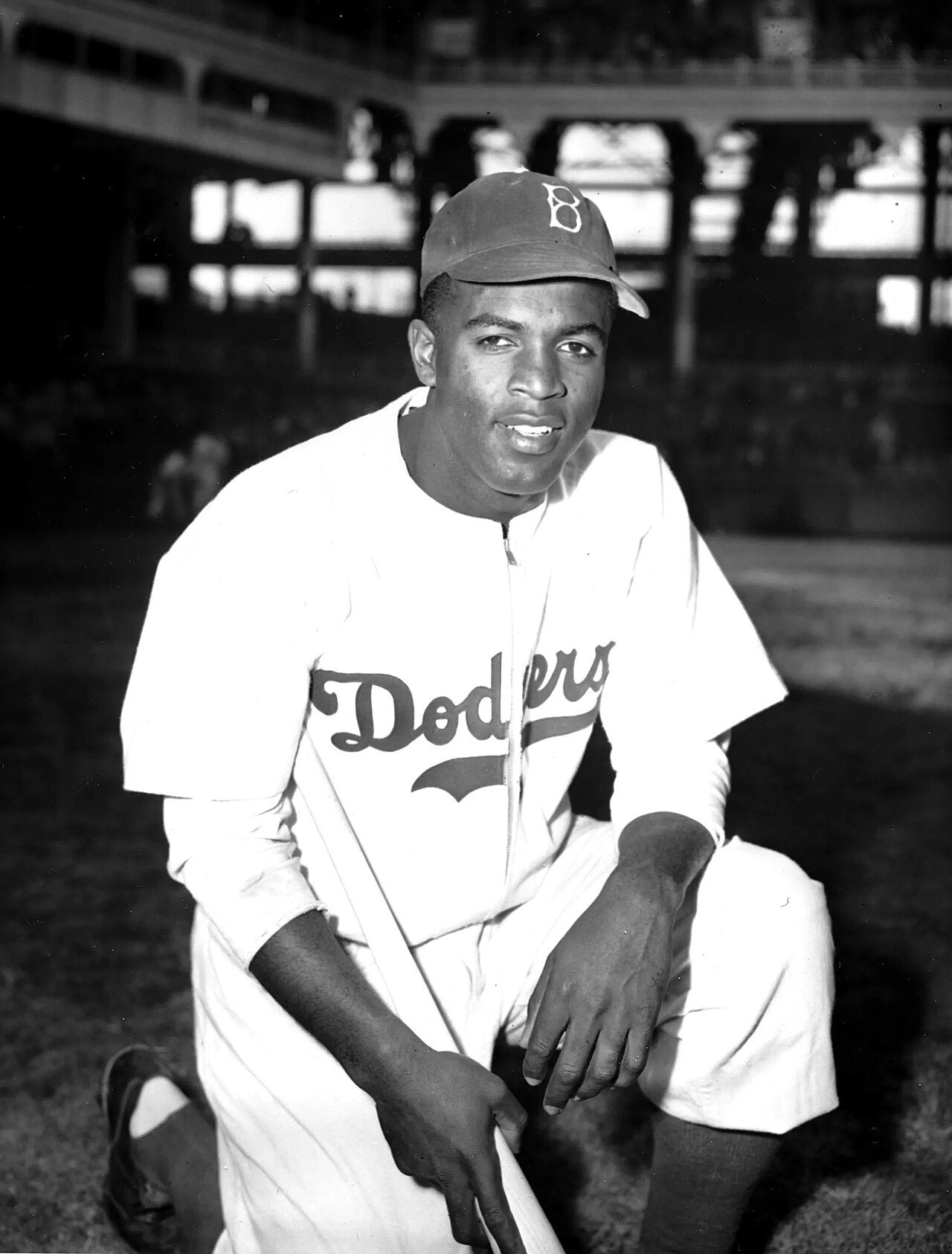
It was a chilly opening day at Ebbets Field in Brooklyn, and more than 25,000 fans filled the stands — including an estimated 14,000 Black fans who had come for one reason. When the Dodgers took the field against the Boston Braves, a 28-year-old rookie trotted out to first base. His name was Jackie Robinson, and no Black man had played Major League Baseball in the modern era. Ever.
The box score from that afternoon is almost comically ordinary: Robinson went 0-for-3 at the plate. But in the seventh inning, he reached base on an error and scored the go-ahead run in a three-run rally, and Brooklyn beat Boston 5–3. (He collected his first big-league hit the very next day, on a bunt.) The details hardly mattered. Baseball's color line — unbroken since the 1880s, when Black players were pushed out of the professional game and into the Negro leagues — had fallen.
Robinson had been chosen for this ordeal with extraordinary care. Dodgers general manager Branch Rickey signed him on August 28, 1945, after a single season with the Kansas City Monarchs of the Negro leagues, where he hit .375. Rickey sent him first to the Montreal Royals in 1946, where Robinson won the International League's Most Valuable Player award — proving he belonged on talent alone. Then came Rickey's famous condition: Robinson would face beanballs, spikings, slurs from opponents and even some teammates, and torrents of hate mail — and he would not fight back. Not that first year. He agreed, and he kept his word.
Nothing about Robinson suggested he would be broken by pressure. At UCLA he had been the first athlete in school history to win varsity letters in four sports. In the Army he had been court-martialed for refusing to move to the back of a segregated bus — and honorably discharged. In the stands that April afternoon sat his wife, Rachel, and their young son, Jackie Jr.
What followed is the stuff of legend: the inaugural Rookie of the Year award in 1947, six consecutive All-Star selections, the National League MVP in 1949, and a World Series championship with Brooklyn in 1955. He was inducted into the Hall of Fame in 1962 on the first ballot. Martin Luther King Jr. would later call him "a freedom rider before freedom rides." Commissioner Bud Selig said in 2004 that "baseball's proudest moment and its most powerful social statement came on April 15, 1947, when Jackie Robinson first set foot on a Major League Baseball field."
Robinson's number 42 was retired across all of baseball in 1997 — the only number so honored — and every April 15, every player and coach in the majors wears 42 in his memory. Consider the calendar: his debut came a full year before President Truman integrated the armed forces, and seven years before the Supreme Court outlawed segregated schools. In America's pastime, the color barrier fell first — because one man had the talent to belong and the courage to endure.
Photo: John Rooney / Associated Press, public domain (via Wikimedia Commons). Taken on April 11, 1947 — four days before Robinson's historic debut.