The Night They Took Emmett Till
On August 28, 1955, 14-year-old Emmett Till was abducted from his great-uncle's Mississippi home — a murder that would galvanize the civil rights movement.
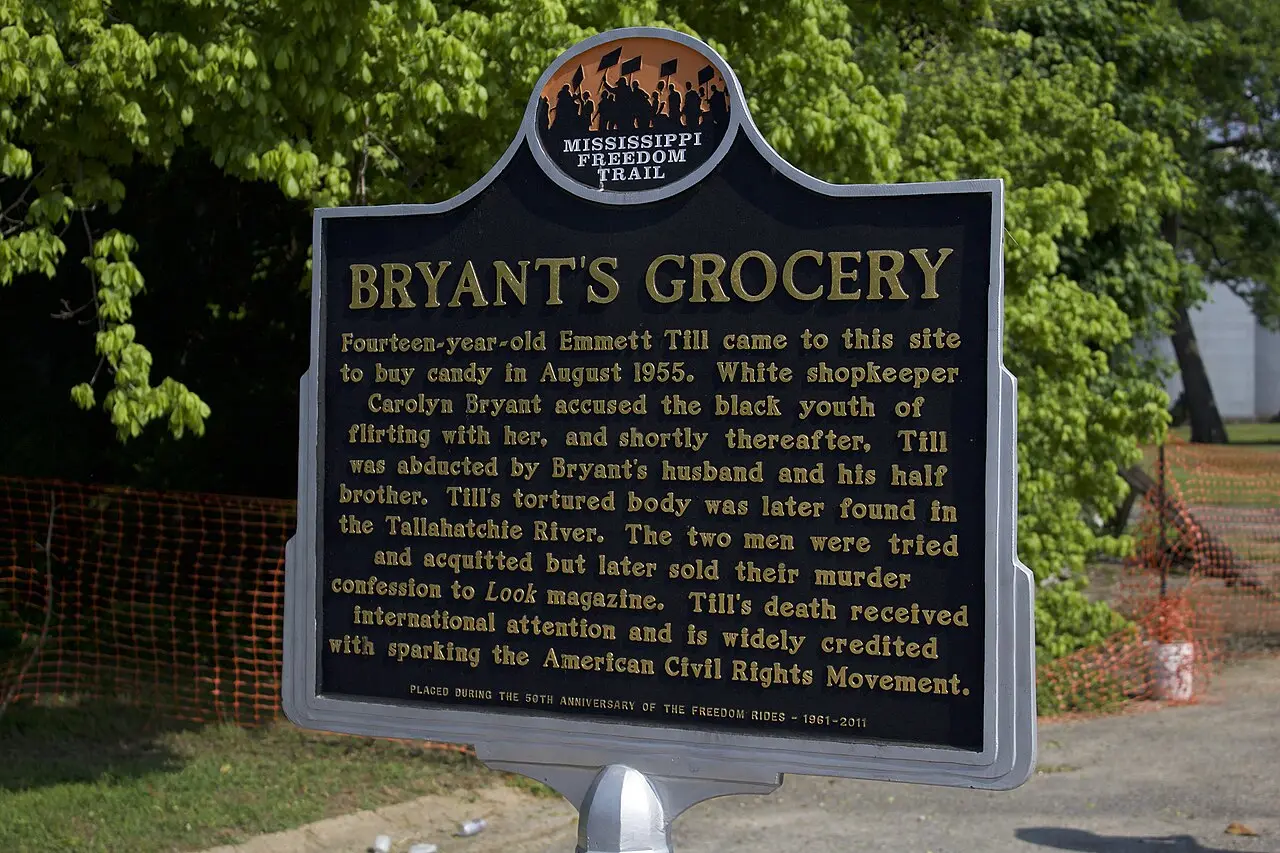
He was fourteen years old, on summer vacation from Chicago, and he had been warned. Emmett Till had come to Mississippi to stay with his great-uncle, and like every Black child of the Jim Crow South, he understood — or was supposed to understand — the unwritten rules. Days earlier, he had gone into Bryant's Grocery, a small store in the hamlet of Money, Mississippi. What exactly happened inside between Emmett and Carolyn Bryant, the shopkeeper's wife, has been debated ever since. What is certain is that she accused him of offending her — and in Mississippi in 1955, that accusation was a death sentence.
In the early hours of August 28, 1955, two men came to his great-uncle Moses Wright's home. Roy Bryant — Carolyn's husband — and his half-brother J.W. Milam forced their way in and took Emmett at gunpoint. Wright begged them to leave the boy alone. They refused.
Days later, Emmett's body was found in the Tallahatchie River. He had been beaten and shot. When his body was returned to Chicago, his mother, Mamie Till-Mobley, made a decision that changed history: she insisted on an open casket at his funeral, so the world could see what had been done to her son. Tens of thousands of mourners filed past. A photograph of his face, published in Black newspapers and magazines, carried the horror across the country.
The trial that followed became a national disgrace. Bryant and Milam were tried before an all-white jury in Mississippi and acquitted after barely an hour of deliberation. Months later, protected by the rule against double jeopardy, the two men sold their confession to Look magazine, describing the killing in detail.
Emmett Till's murder is widely credited with sparking the modern American civil rights movement. Rosa Parks would later say she thought of Emmett Till when she refused to give up her bus seat in Montgomery, just months afterward. The boy from Chicago who went to Mississippi for the summer became a symbol — of the brutality of Jim Crow, of a mother's courage, and of a nation's long reckoning with itself. In 2022, Congress passed the Emmett Till Antilynching Act, making lynching a federal hate crime — named for the boy whose murder had cried out for justice for 67 years.
The marker above stands at the site of Bryant's Grocery in Money, Mississippi, on the Mississippi Freedom Trail — a quiet reminder of the night a child's life was stolen, and of everything that followed.
Photo: Eames Heard, CC BY 4.0 (via Wikimedia Commons).