The Leap-Night Oscar That Made History
On February 29, 1940, Hattie McDaniel won Best Supporting Actress for Gone with the Wind — becoming the first Black performer ever to win an Academy Award, on a night she spent at a segregated table.
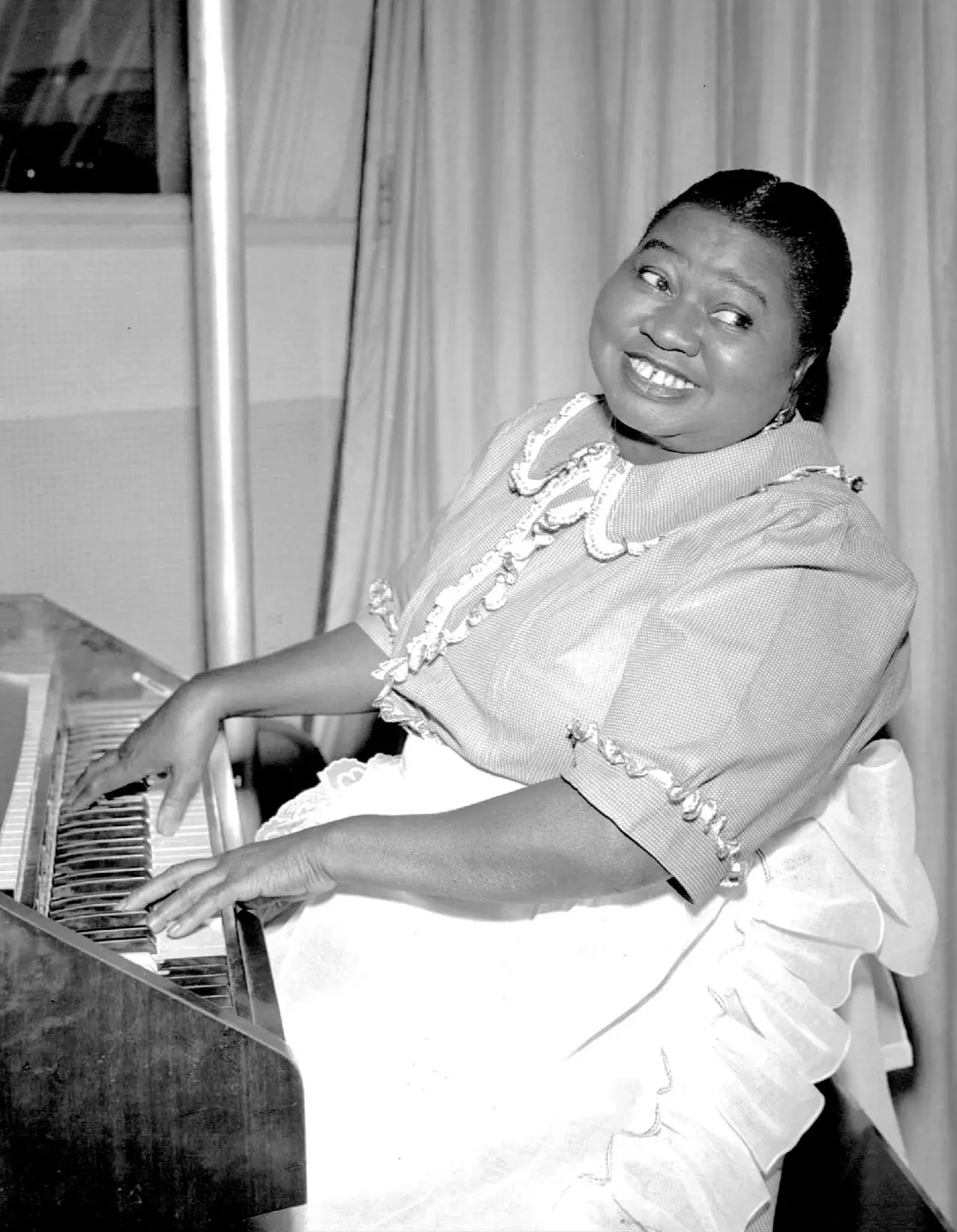
On a Leap Day night in 1940, Hollywood handed its most prestigious prize to a Black woman for the first time — and seated her at a table of her own.
The setting was the Cocoanut Grove nightclub inside Los Angeles's Ambassador Hotel, on February 29, 1940, for the 12th Academy Awards. The night belonged to Gone with the Wind, the epic Southern romance set during the Civil War, which would collect eight Oscars. But the award everyone would remember decades later went to Hattie McDaniel, named Best Supporting Actress for her portrayal of Mammy, the sharp-tongued housemaid who anchors the film's plantation household.
McDaniel's road to that stage had been long. Born in Wichita, Kansas and raised in Denver, she was the youngest of thirteen children of two formerly enslaved parents — her father Henry was a Civil War veteran. She left school as a teenager to tour with minstrel and vaudeville companies, and in 1924 became one of the first Black women to sing on American radio. The Depression cost her that work; she took a job as a washroom attendant in a Milwaukee club that hired only white performers, and talked her way into singing there. From a Los Angeles radio show called The Optimistic Do-Nuts she worked her way into the movies, debuting in 1932 — but Hollywood offered Black performers almost nothing but servants' roles, and McDaniel ended up playing maids or cooks in nearly forty films during the 1930s. She made herself undeniable inside those constraints. To critics who said she was perpetuating stereotypes, she answered that she would rather play a maid on the screen than be one in real life.
Her victory was historic and humiliating at once. The Ambassador Hotel enforced a whites-only policy, and segregationist laws had already kept McDaniel from attending the film's Atlanta premiere two months earlier. On Oscar night she and her escort were seated at a small segregated table at the room's edge, far from her white co-stars — and then called to the stage to make history. In her acceptance speech she said she hoped she would always be a credit to her race and to the motion picture industry.
It would be more than two decades before another Black performer won an Academy Award: Sidney Poitier, for Best Actor, in 1963. McDaniel went on to break another barrier in 1947, becoming the first Black woman to star in her own national radio program, The Beulah Show.
McDaniel's Oscar matters not because the role she won for was flattering — it wasn't, and the debate about it continues — but because of what she did with the narrow space her industry allowed her: she walked through a door that had been bolted shut, and she left it open.
Photo: CBS Radio, public domain (via Wikimedia Commons)